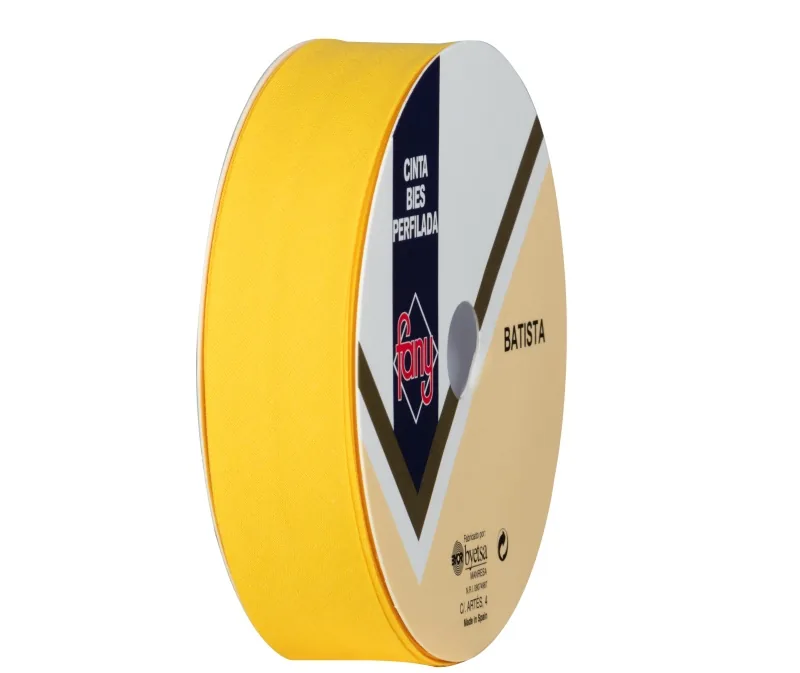
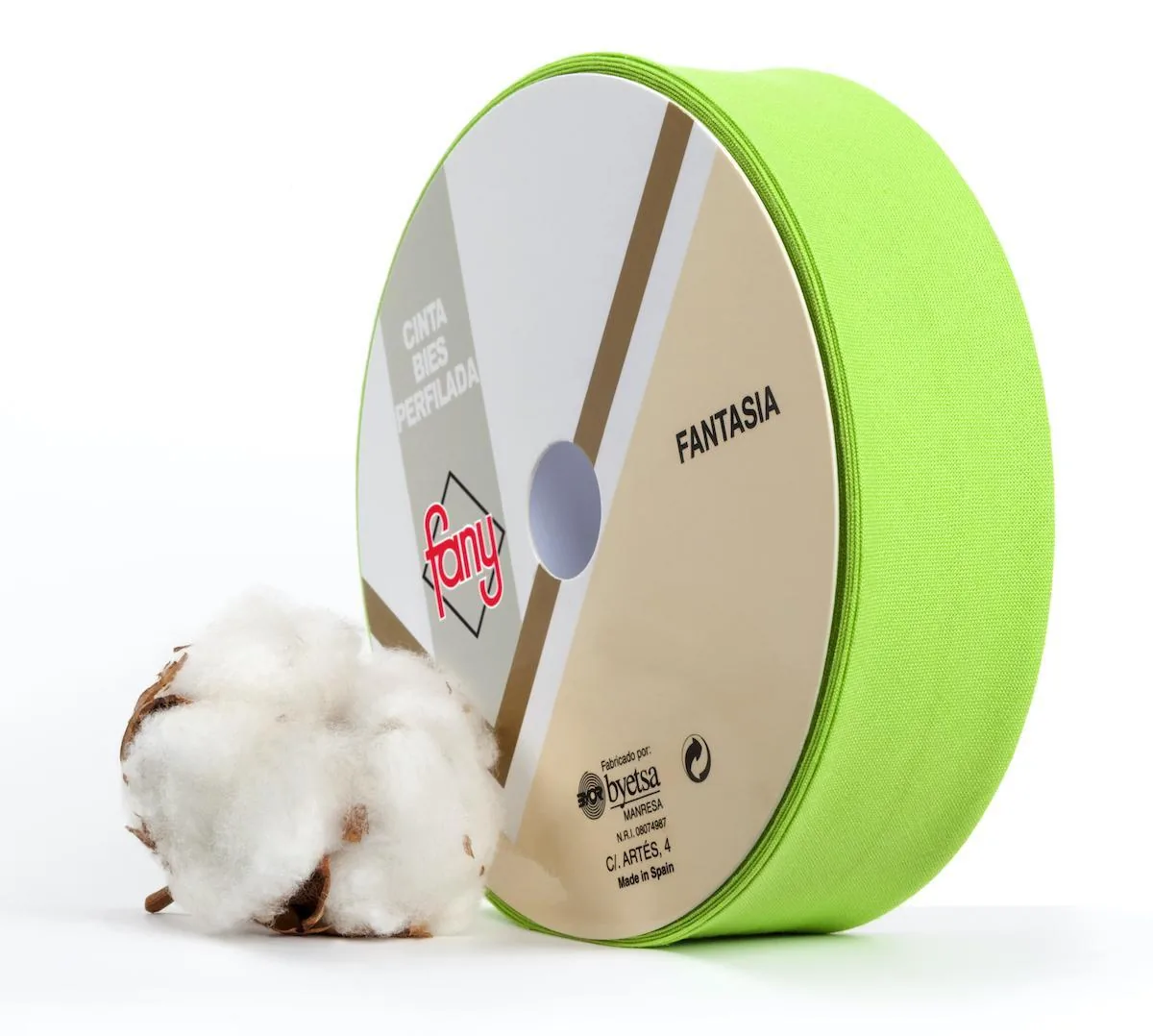
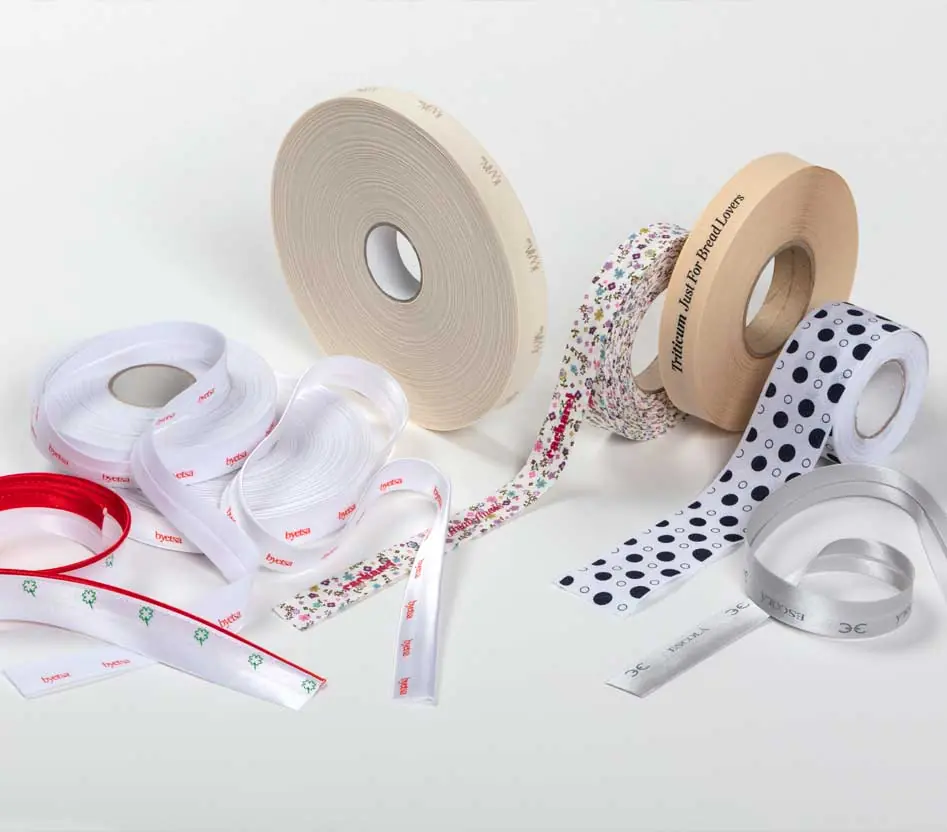
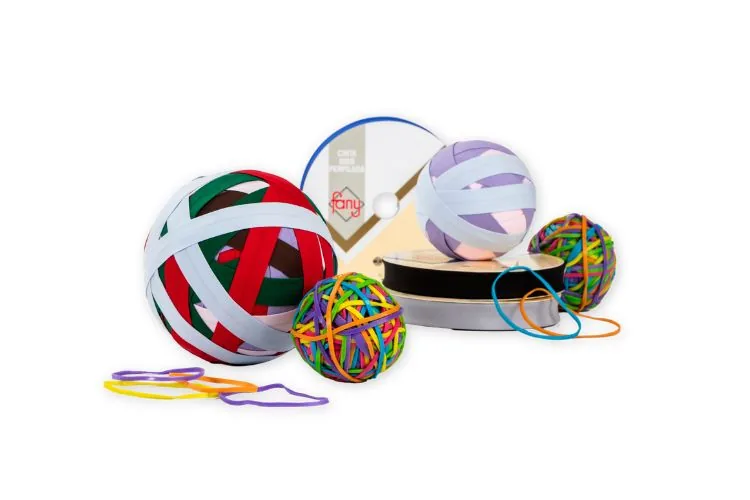
Elastic bias tape (Stretch)
Elastic Bias Tape (Stretch): elastomeric binding for knitwear, activewear, lingerie, underwear, swimwear, and B2B sports textiles.
- Family
- Elastic
- Technical name / Original reference
- Elastic bias tape (Stretch)
- Details / Widths
- Elastic / Stretch
- Bias binding family
- Stretch bias binding
- Manufacturer in Manresa since 1969
- Trade sales to industry, brands, haberdasheries and distributors
- Industrial rolls and haberdashery packs
Elastic bias tape (Stretch): full description
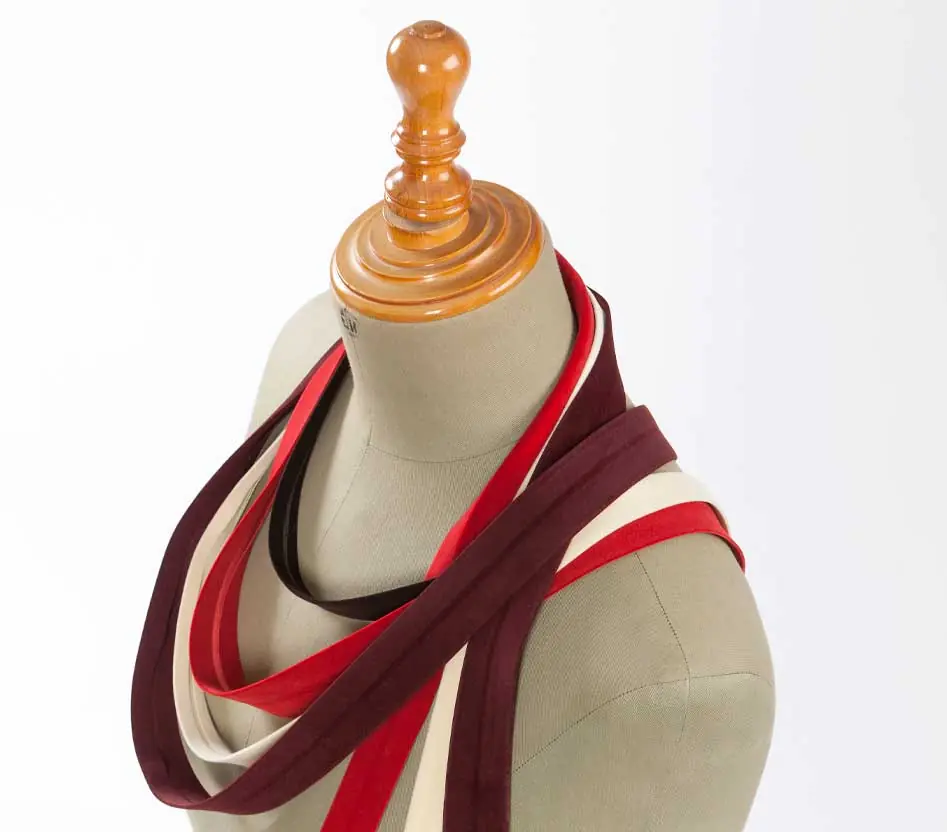
Byetsa’s Elastic Bias Tape (Stretch) is a textile tape with stretch and recovery, specially designed for finishing edges on knit fabrics, garments with elastane or Lycra, and any garment where the elasticity of the finish is critical to the functionality or comfort of the final product.
Its construction incorporates elastomeric fibres (polyester/elastane or polyamide/elastane), allowing it to stretch between 20% and 40% compared to its relaxed length, then return to its original shape without permanent deformation.
The main difference from conventional bias tape is precisely this ability to give and recover, which is essential when the base fabric is elastic A rigid bias tape applied to a knit jersey would create unwanted tension at the edge, distort the base fabric line, and limit the comfort of the finished garment.
Byetsa’s elastic bias tape solves this by providing a finish that moves with the fabric without breaking or cutting in, maintaining the pattern silhouette and the garment’s functionality.
The fabric used may have different compositions depending on the reference, but all variants share the elastic component that provides stretch.
The feel is usually smooth and slightly silky, with a finish suitable for skin contact.
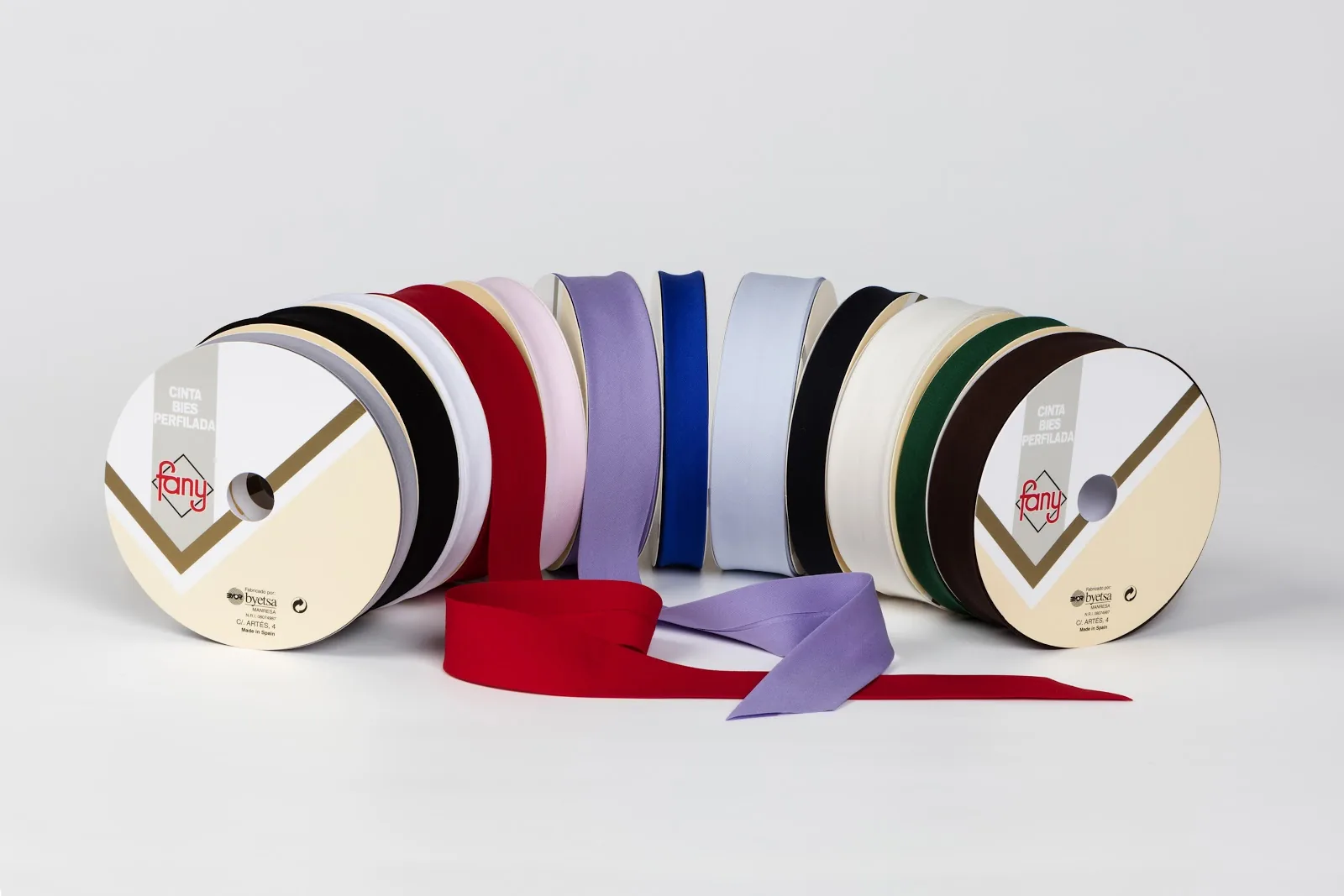
Available colours cover the usual range of basics and seasonal shades, with made-to-measure production available for large industrial orders.
Its true bias cut ensures adaptation to curves and organic shapes, while the elasticity adds an extra dimension of flexibility that makes it indispensable for sportswear, lingerie, underwear, swimwear, yoga wear, loungewear, and any garment where body movement is part of normal use.
It is an essential reference for knitwear manufacturers, industrial shirtmakers, activewear brands, and workshops specialising in technical garments.
Applications and uses of Elastic bias tape (Stretch)
Byetsa Elastic Bias Tape (Stretch) has highly specific yet essential applications across several textile sectors
Knitwear manufacturing
It is the go-to reference for finishing T-shirt necklines, sleeve edges, armholes, cuffs, and hems on jersey, sweatshirt, polo, tracksuit, and T-shirt garments.
Its elasticity allows the edge to give when the garment is put on and taken off, preventing tears and deformation.
Knitwear manufacturers rely on this reference as a key raw material.
Sportswear and activewear
Leggings, sports shorts, tops, sports bras, technical T-shirts, sweatshirts, and kits. Elastic bias tape allows edges to be finished on fabrics with a high elastane content while maintaining the functionality and comfort typical of technical sportswear.
Yoga, pilates, and wellness wear
Leggings, tops, T-shirts, hair bands, and textile accessories where body movement and fabric elasticity are essential.
This sector particularly values elastic tapes with a good hand feel and matte colours, without harsh shine.
Lingerie and underwear
Briefs, bras, bodysuits, undershirts, slips, and dress linings. Edges finished with elastic bias tape adapt to the body’s curves without causing discomfort or marks.
Swimwear
Bikinis, one-piece swimsuits, swim shorts, and elastic sarongs. Byetsa elastic bias tape suitable for water contact (specific references) is used to finish edges on Lycra-type swim fabrics.
Sleepwear and homewear
Knit pyjamas, elastic nightdresses, lightweight robes, and loungewear. Comfort and softness are priorities.
Children’s knitwear
Bodysuits, tights, T-shirts, children’s tracksuits, sleepsuits, and pyjamas. The elasticity of the finish makes dressing and undressing the child easier.
Men’s underwear
Boxer shorts, undershirts, briefs, and boxers. A sector with large industrial volumes where elastic bias tape is a structural consumable.
Medical and orthopaedic textiles
Knee braces, ankle supports, elbow supports, wrist supports, lumbar belts, compression bands, and neoprene bandages.
Technical applications where controlled elasticity is part of the product.
Textile accessories
Scrunchies, headbands, hair bands, sleep masks, fabric watch straps, and various elastic accessories.
Technical specifications of Elastic bias tape (Stretch)
Byetsa Elastic Bias Tape (Stretch) features highly specific technical characteristics related to its elastomeric capacity
Technical data sheet
Elastic bias tape (Stretch)- Composition
A fibre blend that includes a variable percentage of elastane (Lycra) or an equivalent elastomer, combined with polyester, polyamide, or cotton depending on the reference.
The elastane percentage typically ranges from 5% to 20% and determines the final level of elasticity.
- Stretch capacity
Between 20% and 40% compared to the relaxed length, with full recovery once tension is released.
This range may vary depending on the reference and exact composition.
- Dimensional recovery
High. The tape returns to its original length and shape after being stretched, even after multiple stretch cycles.
Recovery is maintained throughout the service life of the finished product under normal use conditions.
- Hand feel
Smooth and soft, slightly silky in some references. Suitable for direct skin contact. The surface does not cause chafing or irritation during prolonged wear.
- True bias cut
At 45° to the fabric grain. It combines the structural flexibility of a bias cut with the added elasticity provided by the elastomeric component.
- Strength
The combination of bias cut and elasticity provides excellent resistance to tensile breakage, far superior to that of a rigid bias tape under tension.
- Colour fastness
The dyes used are suitable for use with synthetic fibres and elastomers, with good wash and light fastness.
- Sewing behaviour
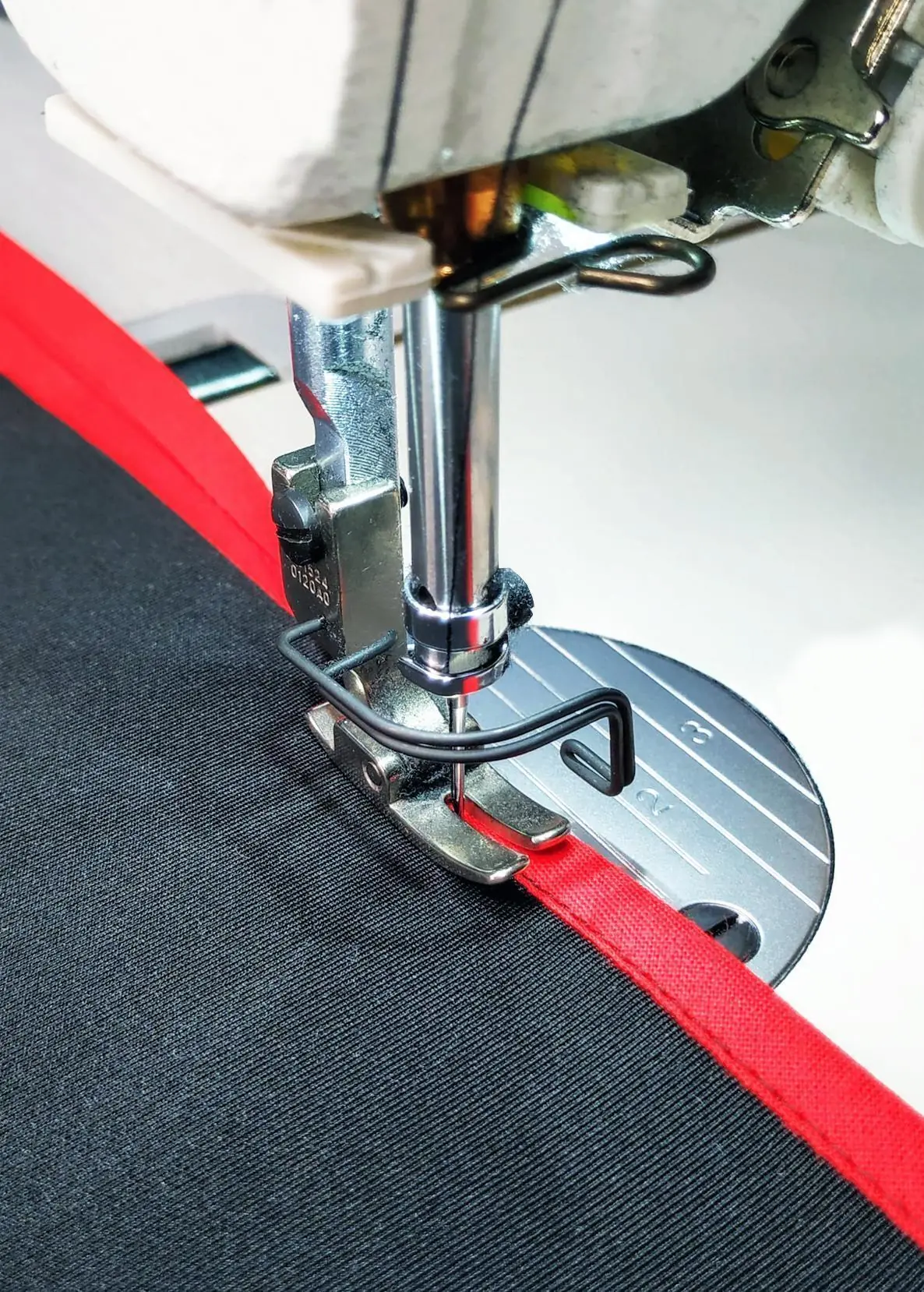
Requires specific techniques. It is recommended to use a zigzag stitch, stretch stitch, or overlock seam so the seam follows the tape’s elasticity.
A conventional straight stitch would break when the garment is stretched.
- Recommended needle
A ballpoint (jersey) or stretch needle, size 75/11 or 80/12, which penetrates between the threads without cutting them.
- Care
Machine wash at 30°C, normal or delicate cycle. Do not use excessive fabric softener, as it can affect the elastomer over time.
Air dry or tumble dry at low temperature. Iron at low temperature, without direct steam on elastic areas.
- Elastomer durability
Elastane has a service life of several years under normal use conditions. Careful maintenance (moderate wash temperature, avoiding harsh softeners, gentle drying) significantly extends its lifespan.
- Colour range
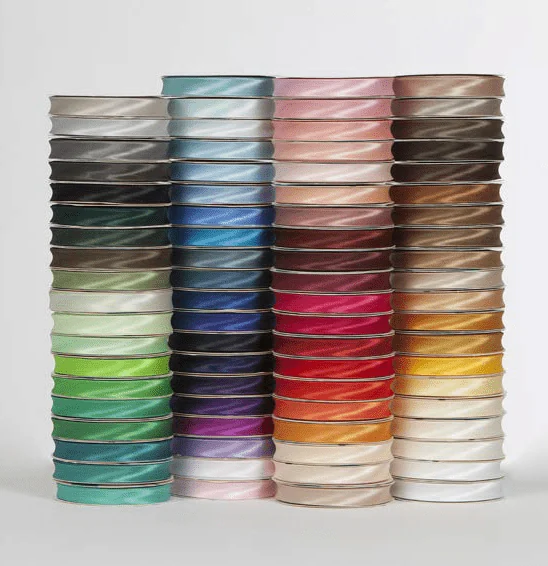
Wide, with an emphasis on basic colours for knitwear and underwear. Special colours available on request for large manufacturers.
- Commercial format
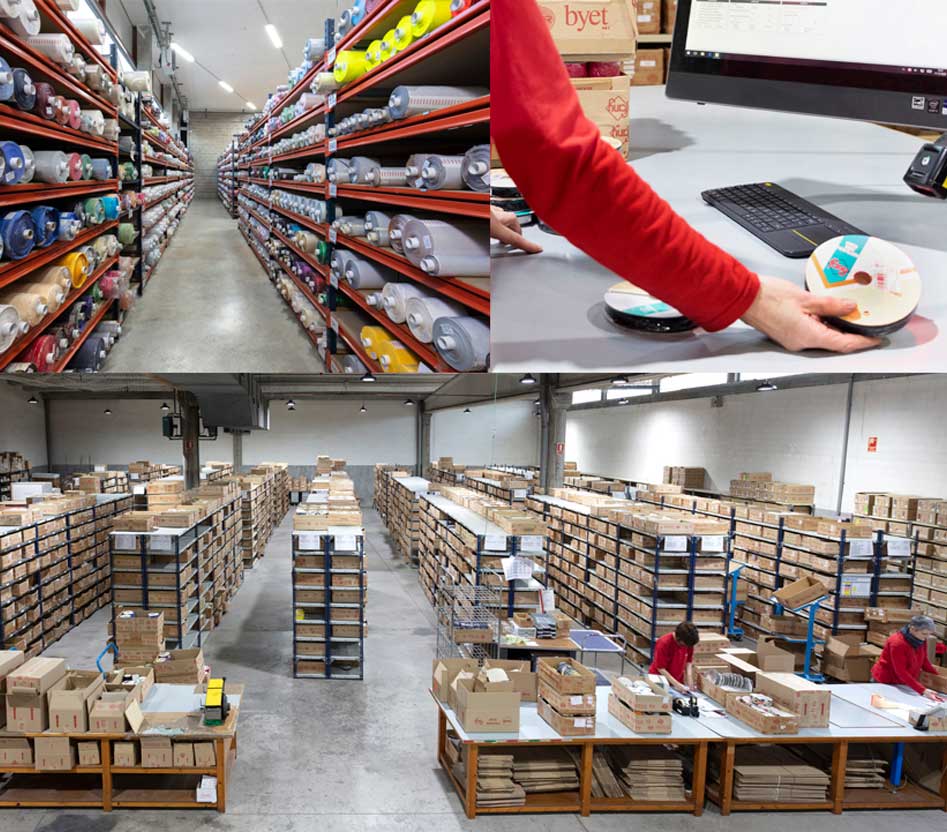
Industrial spools for high-volume manufacturers, rolls for haberdasheries specialising in knitwear.
Similar models and alternatives to Elastic bias tape (Stretch)
Within the Byetsa catalogue, Elastic Bias Tape (Stretch) is the only reference that offers true elastomeric capacity, but it relates to other bias tapes in the catalogue as alternatives or complements.
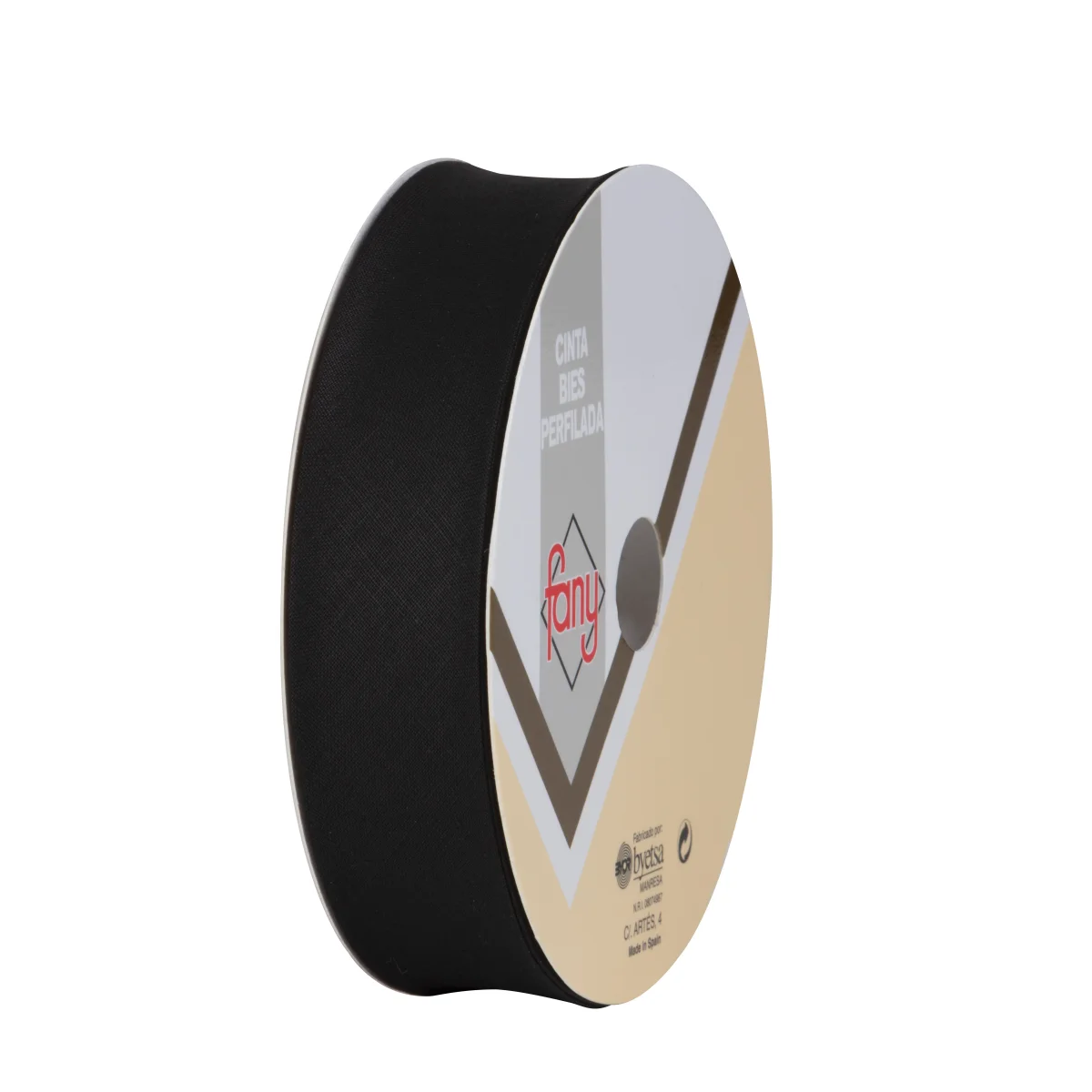 Cotton
100% Cotton Bias Tape
The natural rigid alternative. When the base fabric is woven (non-elastic), this is the appropriate reference. Same edge-finishing function, but without stretch capacity.
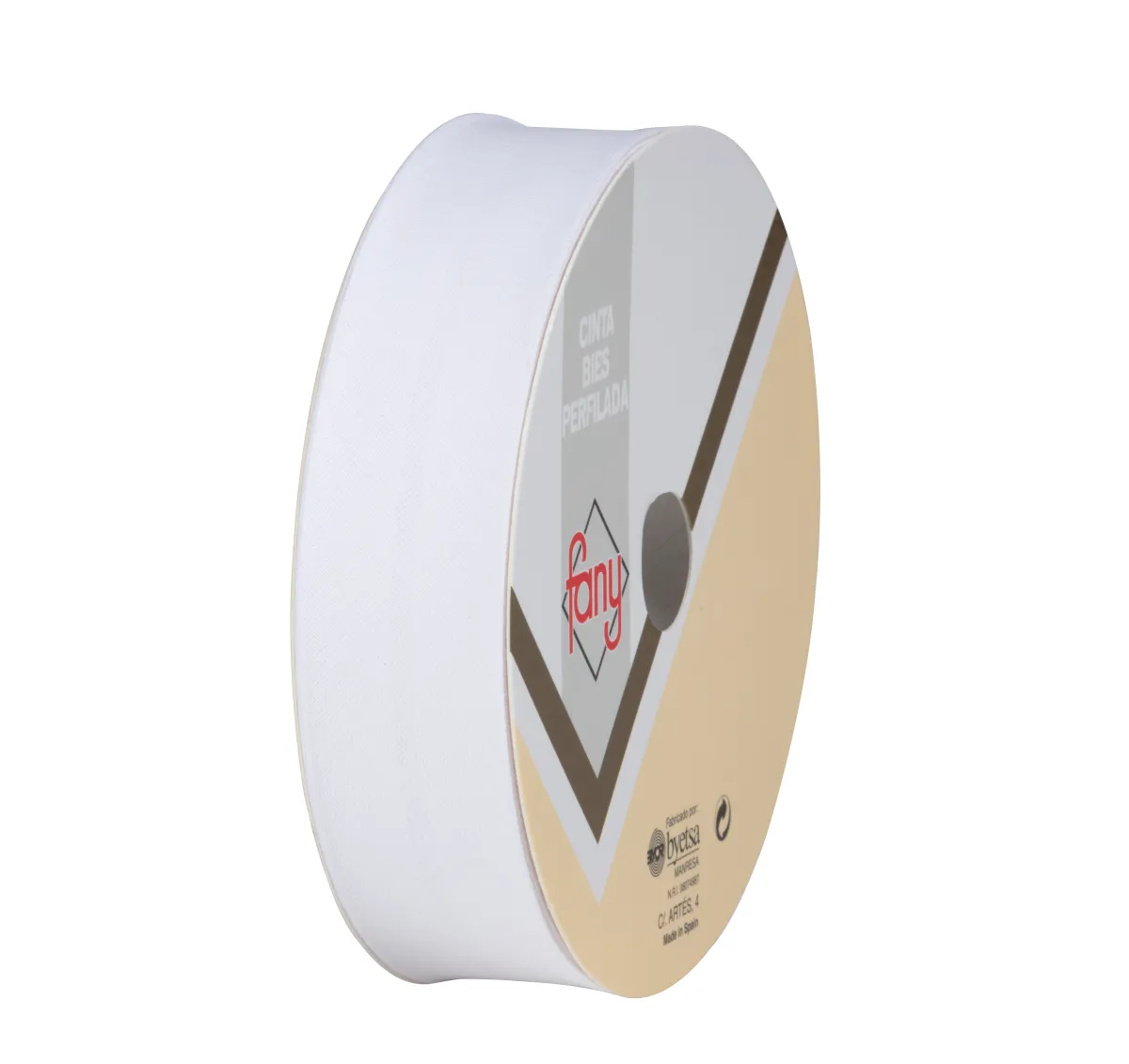 Cotton
Organic Cotton Bias Tape
A sustainable version of 100% cotton, also rigid. Not suitable for knit fabrics.
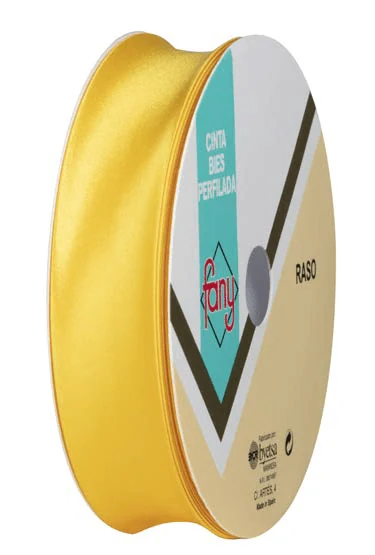 Satin
Satin Bias Tape
Shiny and silky, made from woven fabric. It gives slightly due to the bias cut but without true elastomeric capacity. For formal and occasion wear.
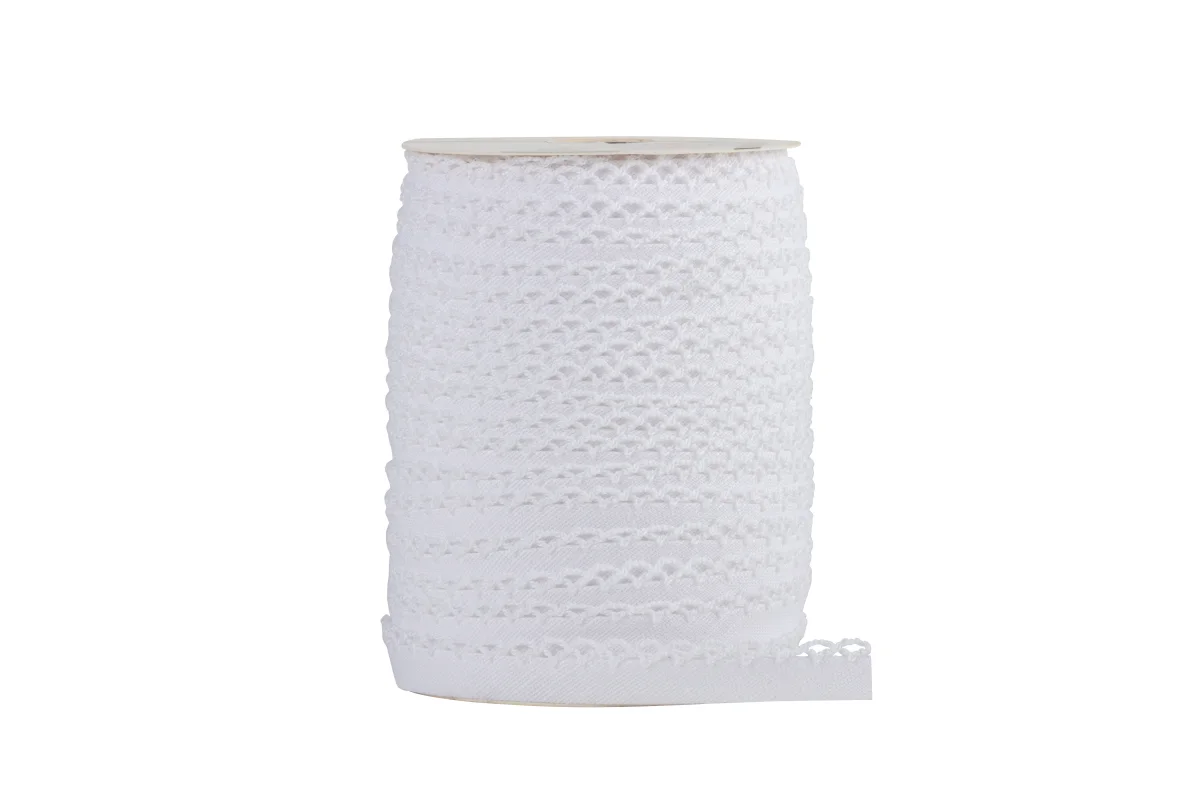 Cotton and polyester
Linen Bias Tape
Premium rustic, rigid. Suitable for décor and woven-fabric garment making.
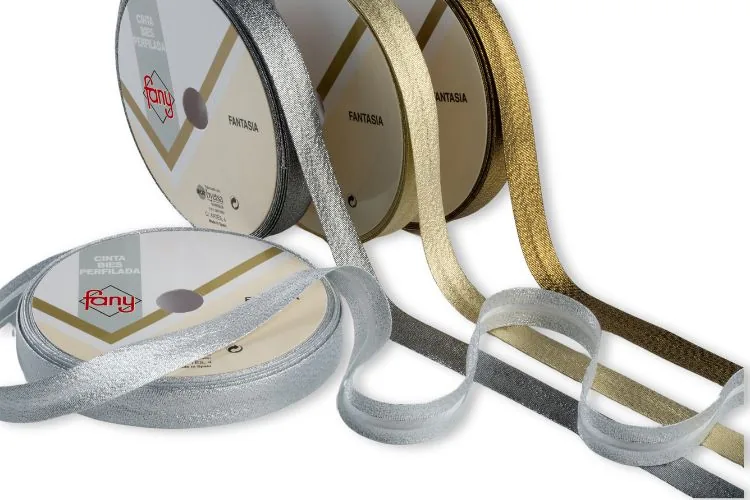 Lamé
Lamé (Metallic) Bias Tape
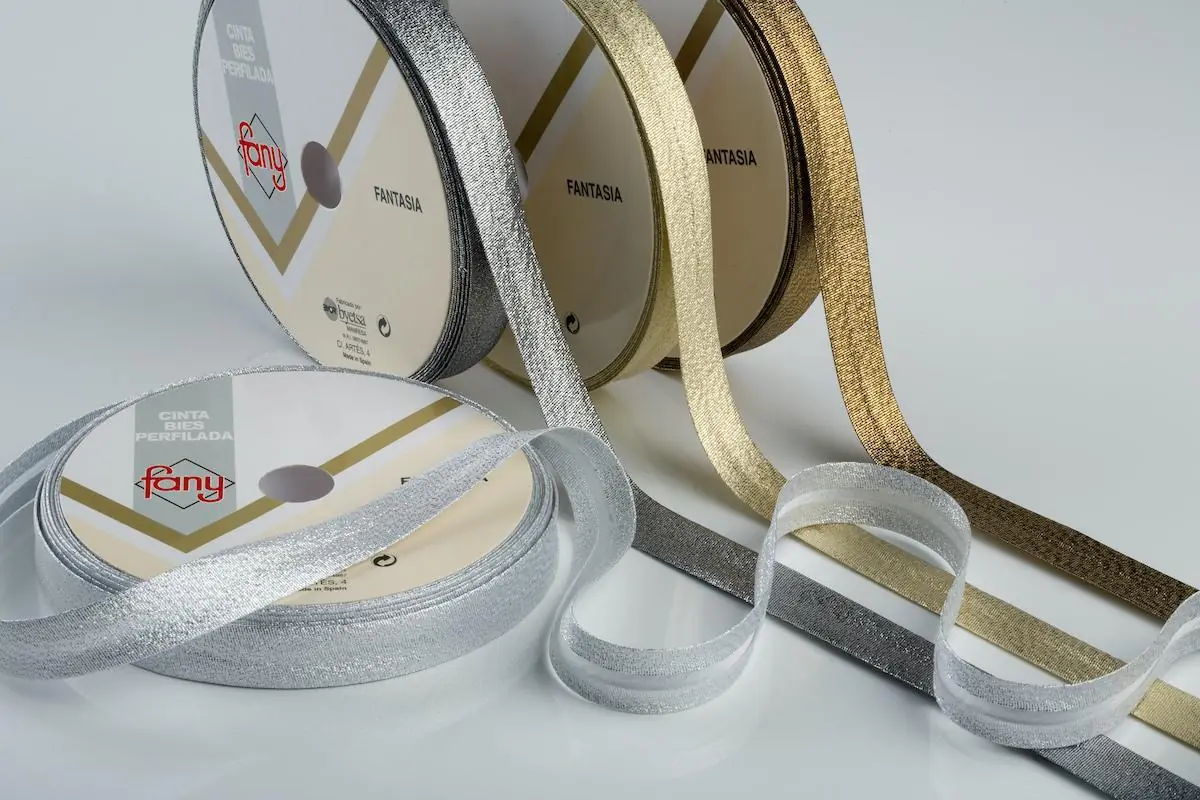
Festive and shiny, generally rigid.
Ottoman Bias Tape
With a ribbed texture, rigid, designed for structural strength.
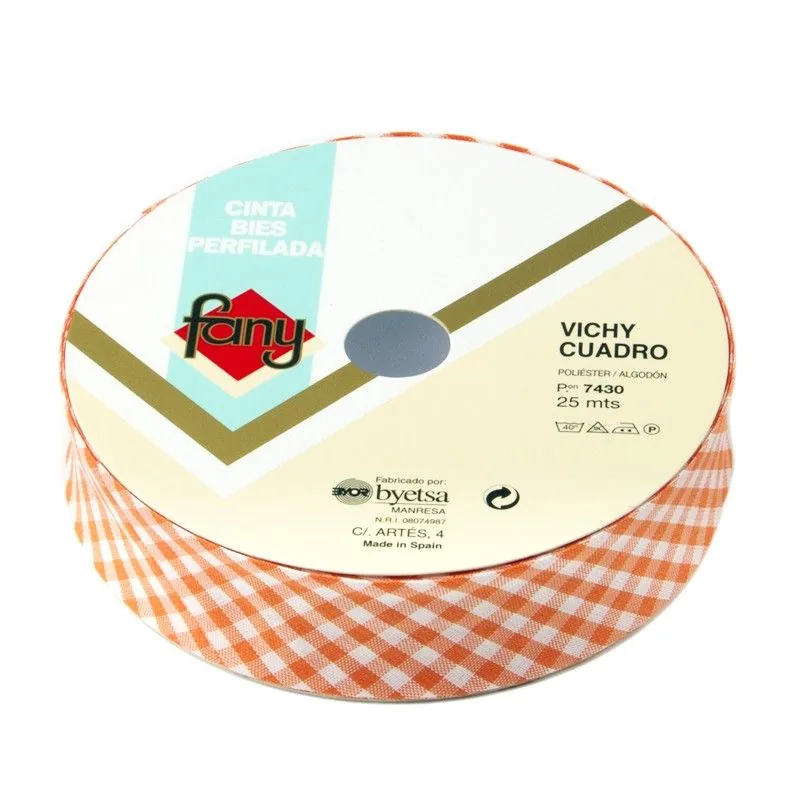 Gingham
 Bias Tape
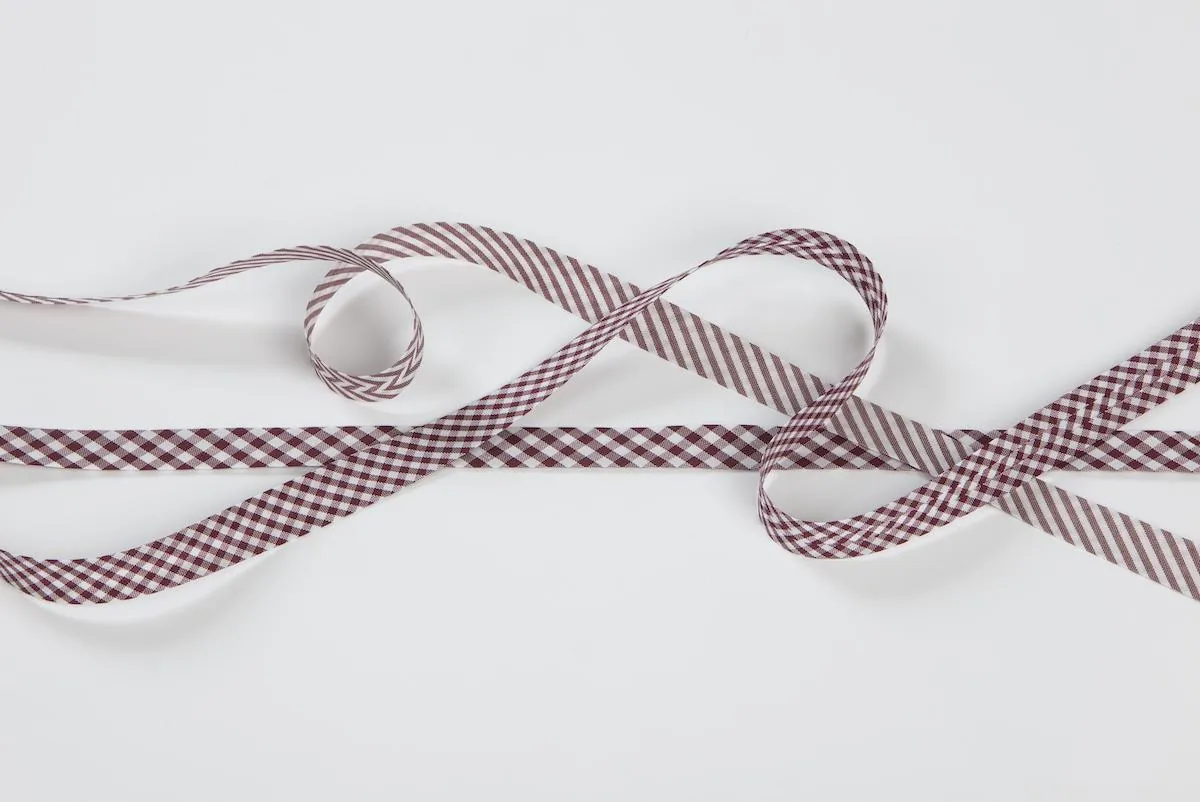
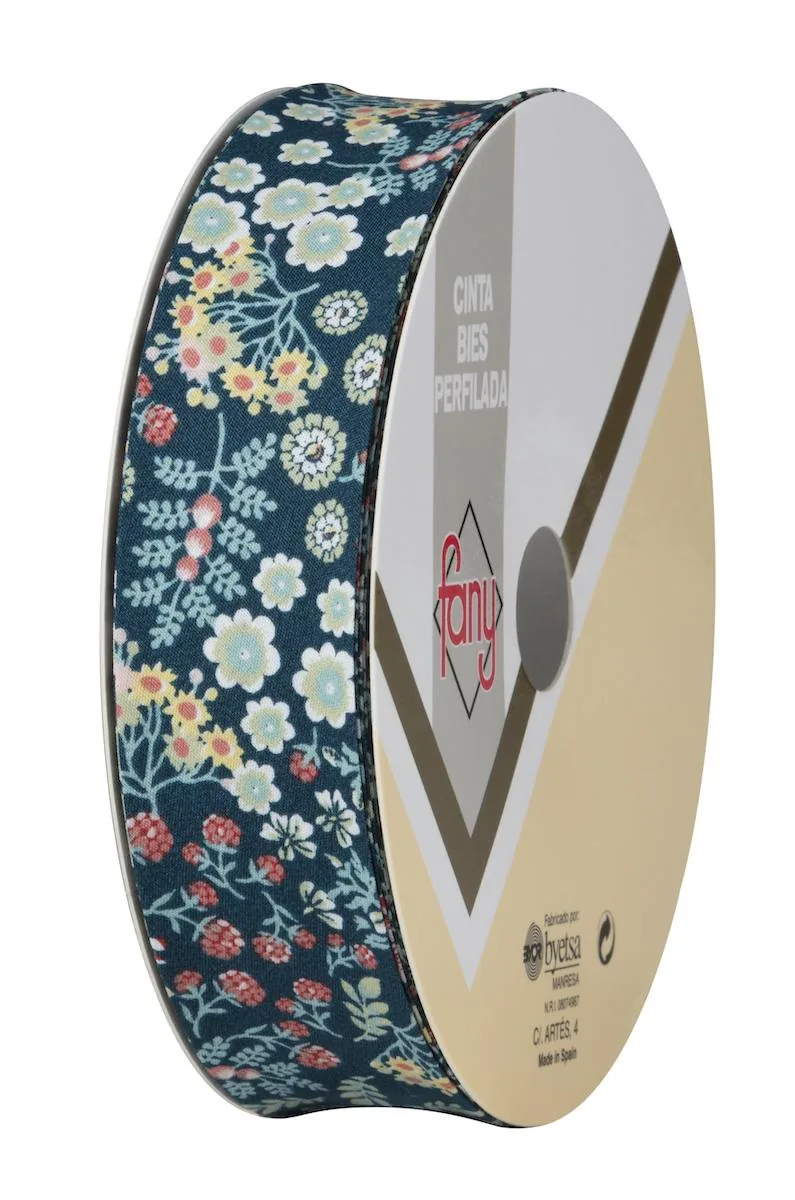
Classic printed, rigid.
In the batiste family in the catalogue (Batiste Piping, Decor Bias, Spaghetti Strap, Special Pleats, Decor Piping, Mini-Gather 15 and 20 mm, Decor Bias Sample, Plidecor): all these references are based on cotton batiste, a woven fabric with no elasticity.
They are not substitutes for elastic tape in knit applications.
Elastic Bias Tape is a niche reference but essential for the knitwear and sportswear segment It has no substitute within the catalogue, and customers who need it use it regularly in significant volumes.
For specialist haberdashery distributors serving knitwear workshops, industrial shirtmakers, and activewear brands, it is a must-stock reference.
If mixed combinations are needed (for example, a T-shirt with a neckline finished with elastic bias tape and a pocket decorated with printed cotton bias tape), both references can coexist without issue in the same garment, provided each fulfils the appropriate function in its corresponding area.
Byetsa offers technical advice to manufacturers who wish to combine elastic and rigid references in their collections.
Frequently asked questions about Elastic bias tape (Stretch)
01Do I need to stretch it while sewing?
Slightly, to add tension so it does not flare, but without forcing it.
02Is it suitable for woven fabric (non-elastic)?
Yes, but it is ideal for knit T-shirts and jumpers.
03Which machine stitch should I use?
It is essential to use a zigzag or overlock stitch so the seam does not break when stretched.
04Does it replace elastic?
No. It is not elastic for holding up trousers; it is for finishing edges that need to give (necklines, cuffs).
05Does it lose its shape over time?
Byetsa’s elastomer has high recovery and lasts through many washes.
Other bias binding sheets and sectors
Other bias binding models
Cotton100% Cotton Bias TapeCottonOrganic cotton bias tape Cotton and polyesterBatiste pipingCotton and polyesterLinen Bias Tape
 Cotton and polyesterBatiste Decor Bias TapeSatinSatin Bias TapeLaméLamé Bias Tape (Metallic)Vichy ginghamVichy Gingham Bias Tape
Family: Stretch bias binding All families
We also make our bias bindings for different sectors
Request a quote for Elastic bias tape (Stretch)
Tell us the width, colour, format and approximate quantity you need and we will reply with the right proposal for your production or your shop.
- Phone93 874 40 98
- Emailinfo@byetsa.es
- AddressC/ Artés, 4 · Pol. Ind. Els Dolors · 08243 Manresa (Barcelona)
Tell us what you need
We will reply with the right reference, format and width for your production.