
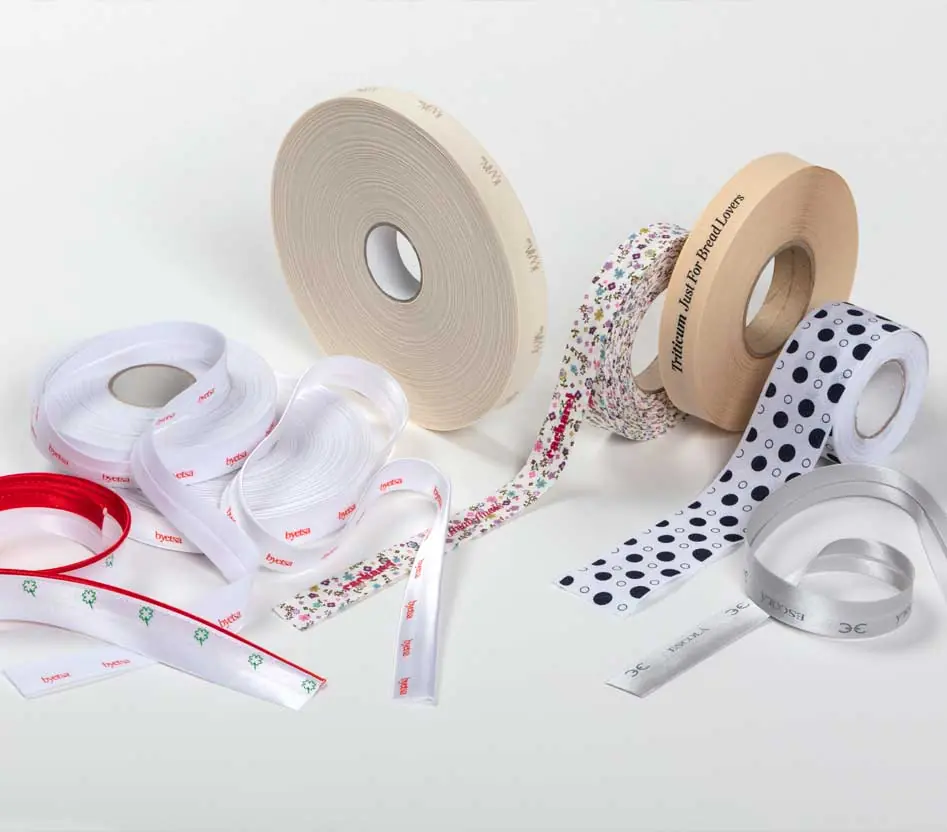
Bias binding formats: cut, single-fold, piping and specials
At Byetsa, as a leading manufacturer of bias binding, we have extensive know-how and long experience in the vast world of bias binding. But… how do we do it?
- Formats
- 31, in 4 groups
- Cut
- From 6 mm up to the full piece
- Cutting angle
- 45° to the grain
- Manufacturing
- Manresa (Barcelona)
Updated in October 2026 · Byetsa, bias binding manufacturers in Manresa since 1969
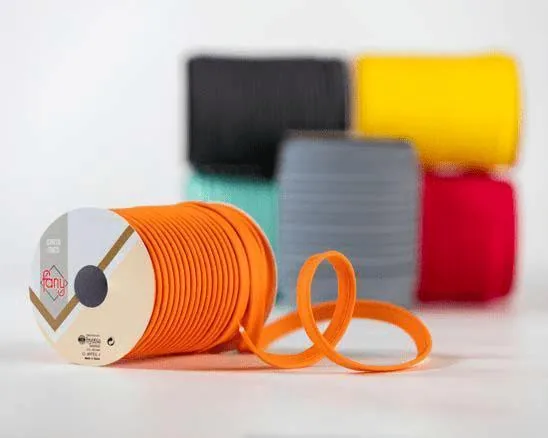
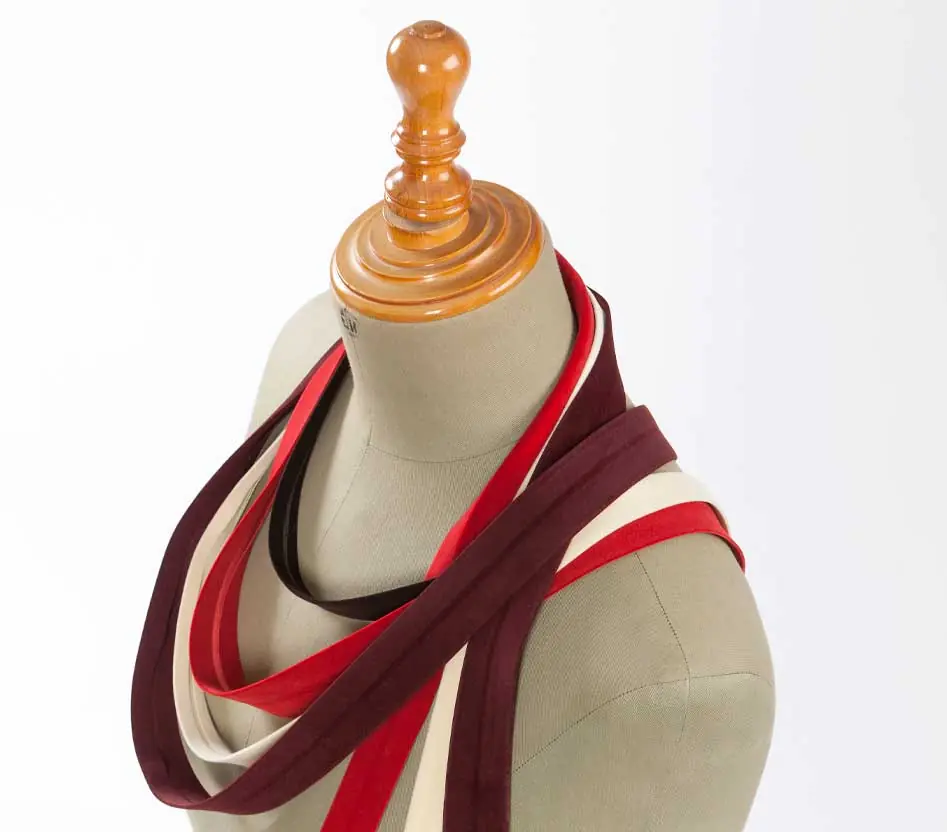
Byetsa manufactures bias binding in 31 formats grouped into four cutting families: cut bias (flat), single-fold bias (folded in half, single-fold open, closed, triple-fold and double-fold), corded and flat piping, and specials such as pleated tapes, overpli, decor, Greek key braid, spaghetti or iron-on bias. The fabric is cut at 45° to the grain, millimetre by millimetre, from 6 mm up to the full piece.
How we manufacture bias binding: cut at 45°, millimetre by millimetre
We cut the fabric on the bias into very narrow strips.
The fibres lie at 45° to the length of the strip, giving it more elasticity and fluidity and making it much easier to apply on both straight and curved lines.
We work the cut millimetre by millimetre, so we can supply any size our customers ask for, from 6 mm up to the full piece.
Want to know more? We explain what bias cutting is and how it is done.
The 31 bias binding formats we manufacture
Filter by group or search by name. If you have any questions, feel free to ask our sales department for any information you need.
Showing 31 formats
Cut 1 format

Single-fold 9 formats
 Single-foldFolded-in-half bias – closed
 Single-foldFolded-in-half bias – open
 Single-foldSingle-fold bias – closed
 Single-foldSingle-fold bias – open
 Single-foldTriple-fold bias – closed
 Single-foldTriple-fold bias – open
 Single-foldDouble-fold bias – closed
 Single-foldDouble-fold bias – open
 Single-foldDouble-fold bias – sewn
Piping 7 formats


Specials 14 formats
 SpecialsBraid
 SpecialsBias decor
 SpecialsDouble bias decor
 SpecialsPleated tape
 SpecialsPleated decor
 SpecialsOverpli
 SpecialsOverpli decor
 SpecialsCorded piping plus decor
 SpecialsSpaghetti
 SpecialsCorded spaghetti
 SpecialsIron-on bias
 SpecialsSingle-fold bias decor
 SpecialsGreek key braid
 SpecialsCoupled single-fold bias
No format matches that name. Try “piping”, “fold” or “pleated”.
Bias binding widths: from 6 mm up to the full piece
We work the cut millimetre by millimetre: we can supply any size, from a minimum of 6 mm up to the full piece.
The most common widths across our bias binding families are 12, 18, 25 and 30 mm.
Not sure which size to choose? See our guide to the most requested bias binding widths.
What cut bias is used for
Cut bias is used in a wide range of sectors and for a long list of products and textile items.
Finishing or joining seams
Cut bias is used to finish or join seams on a long list of products and textile items.
Duvet corners
From duvet corners to other home textile items.
Napkins
Clean finishes on napkins and table linen.
Bibs
A common application in childrenswear.
Funnel application
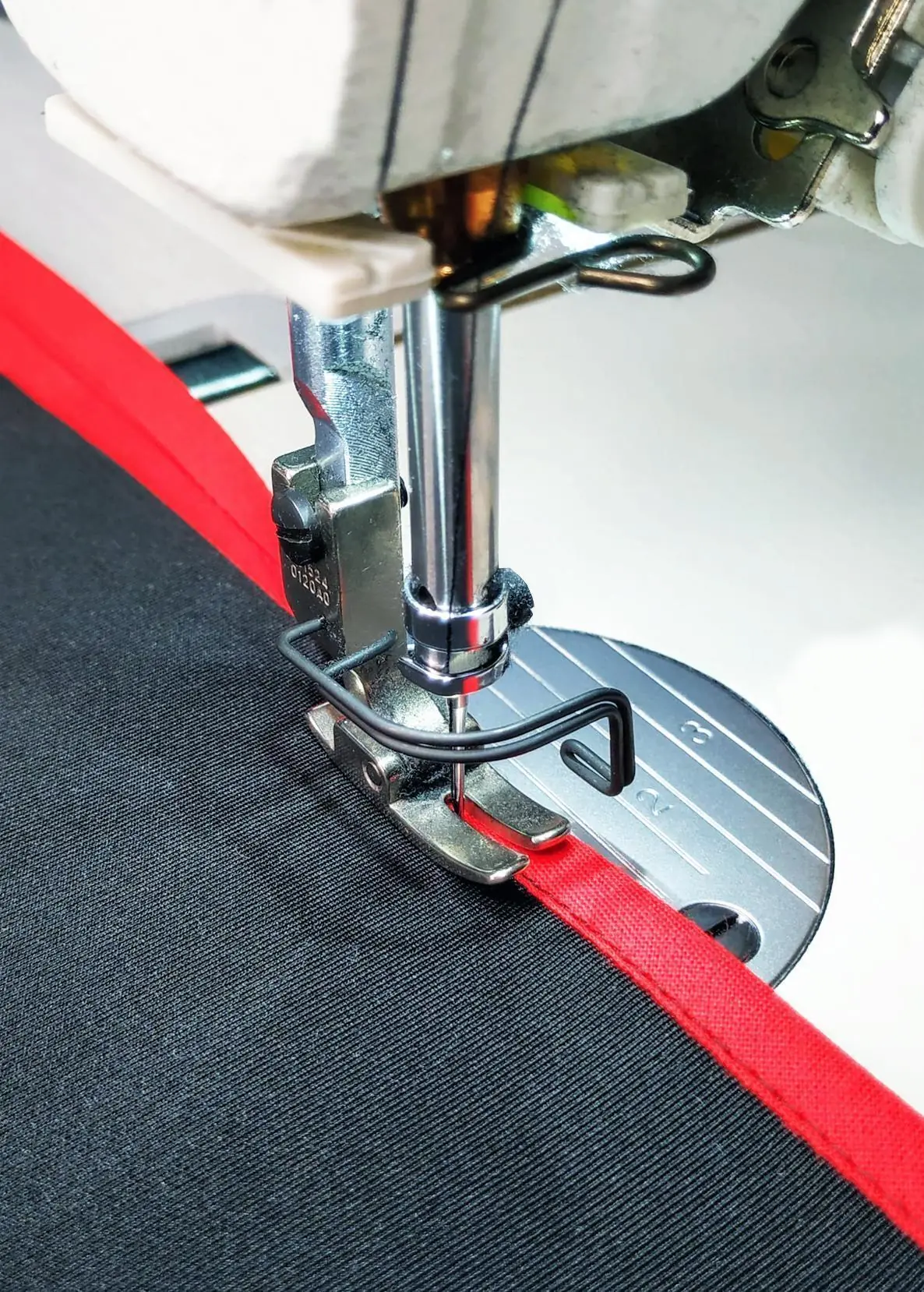
We must not forget to mention that cut bias is applied with a funnel.
A wide range of sectors
It is used in a wide range of sectors, from fashion to industry.
Bias binding manufacturers in Manresa: technology, service and two brands
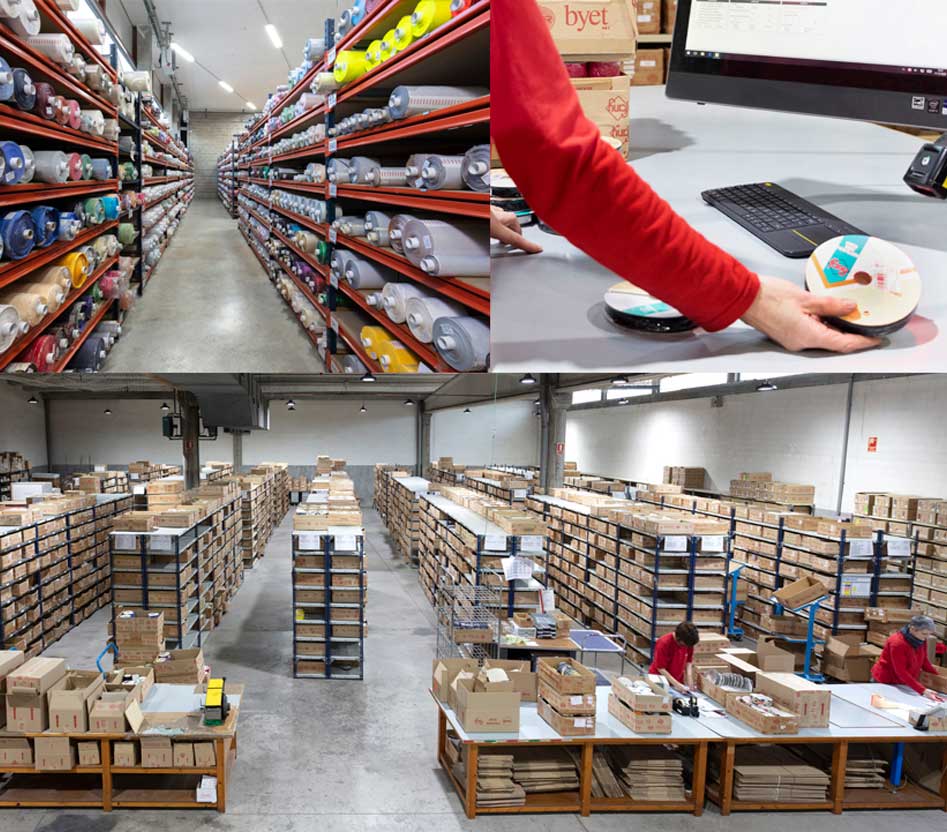
Our facilities are located in Manresa, in the very heart of Catalonia. Over time we have constantly adapted to new market trends, with a view to meeting all our customers’ needs.
This has resulted in an extensive range of bias bindings: cotton-polyester, cotton, satin, lamé, Gingham, printed and elastic.
All our production is carried out in pursuit of the best possible quality, using state-of-the-art, automated and environmentally friendly machinery, and with a strong commitment to service: agile, flexible and professional in equal measure.
Fany
Small packsStockists, distributors, haberdasheries and workshops
With Fany we distribute and sell products presented in small formats.
Byor
Large formatIndustrial bias bindings
With Byor we market large-format industrial bias bindings.
Frequently asked questions about bias binding formats
01Which bias binding formats does Byetsa manufacture?
We manufacture 31 formats in four groups: cut bias (flat); single-fold bias, with its folded-in-half, open, closed, triple-fold and double-fold variants; corded and flat piping, including double and triple versions; and specials such as braid, decor, pleated tape, overpli, spaghetti, Greek key braid or iron-on bias.
02Why is bias binding cut at 45°?
Because when the fabric is cut into strips with the fibres at 45° to the length of the strip, the tape gains elasticity and fluidity, which makes it easier to apply on both straight and curved lines.
03What is the minimum width of bias binding?
We work the cut millimetre by millimetre, from 6 mm up to the full piece. The most common widths are 12, 18, 25 and 30 mm.
04What is cut bias used for?
To finish or join seams on a wide range of textile products, from duvet corners to napkins or bibs. Cut bias is applied with a funnel.
05What is the difference between corded piping and flat piping?
Corded piping has an inner cord that gives it volume; flat piping does not. We explain the technical differences in bias binding, corded piping and flat piping.
06Can you make a custom format or size?
Yes. We can supply any size our customers ask for. Tell us the format, width, material and quantity using the contact form and our sales department will advise you.
Bias binding families and technical guides
Bias binding families
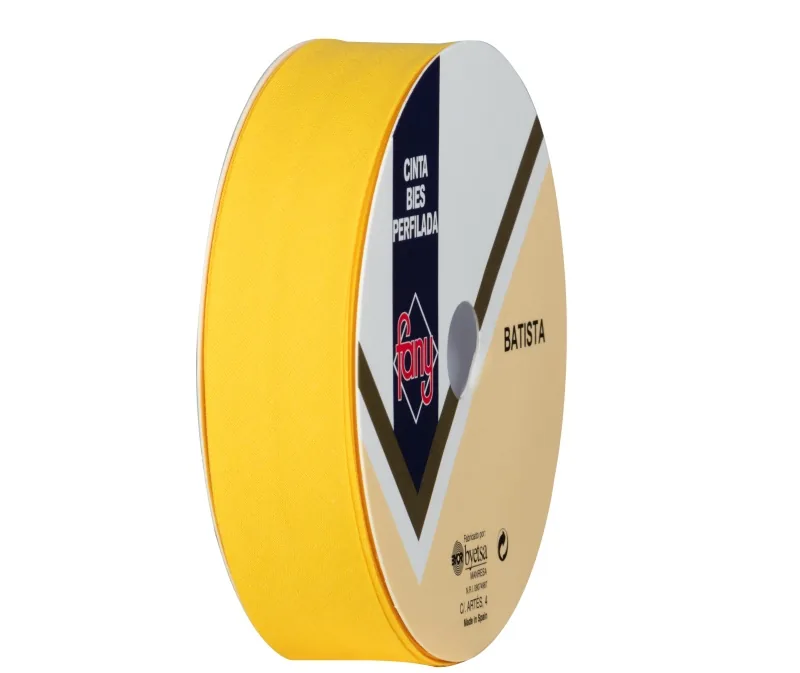 Cotton and polyesterBatiste 50/50 · over 120 colours
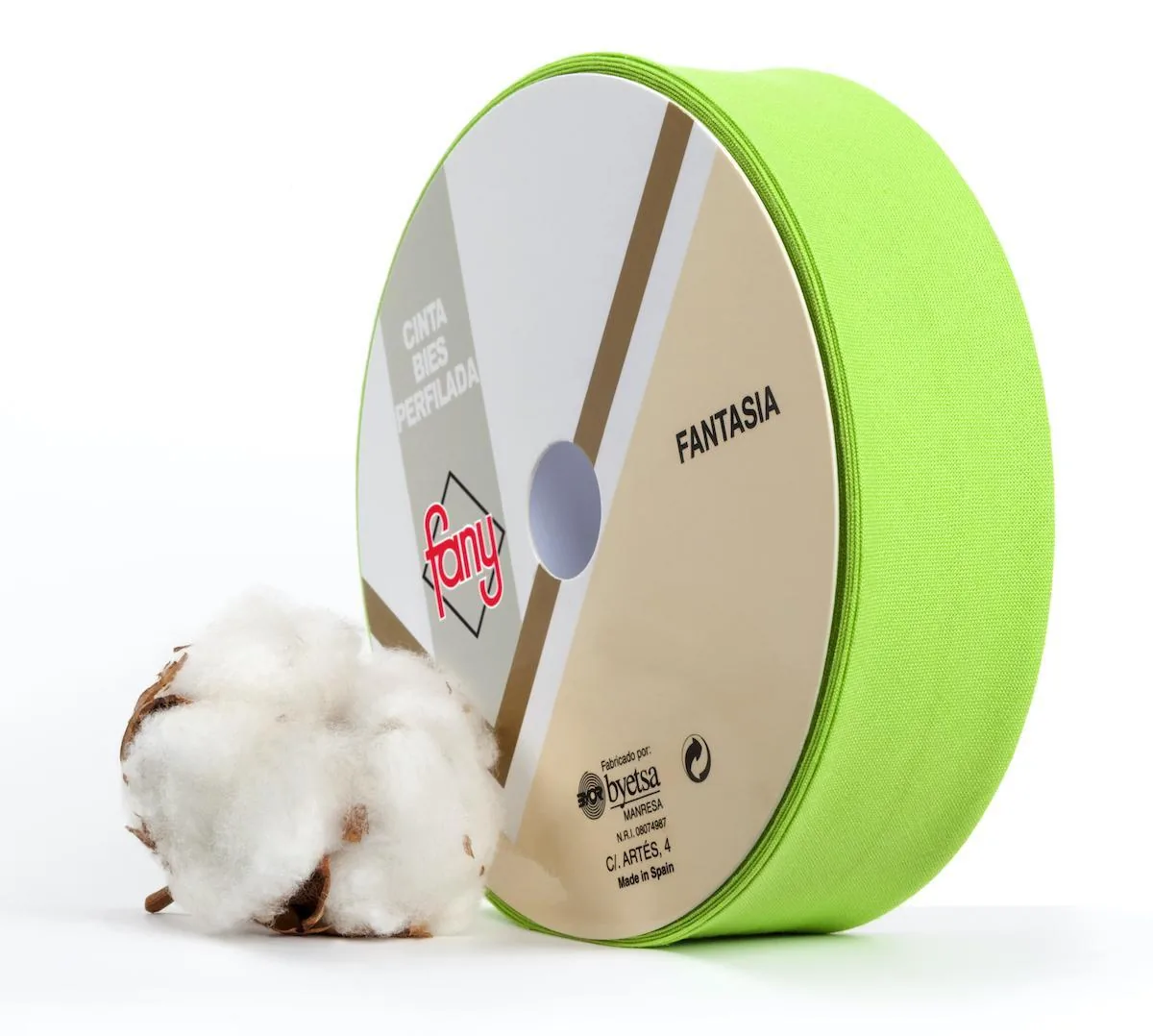 Cotton100% cotton and organic cotton
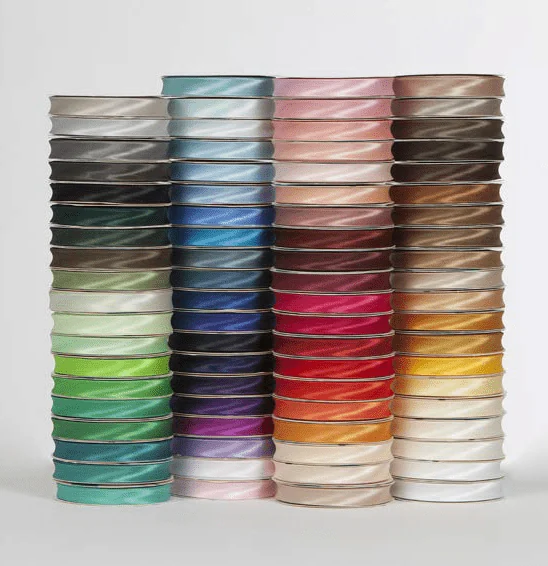 Satin100% polyester, glossy finish
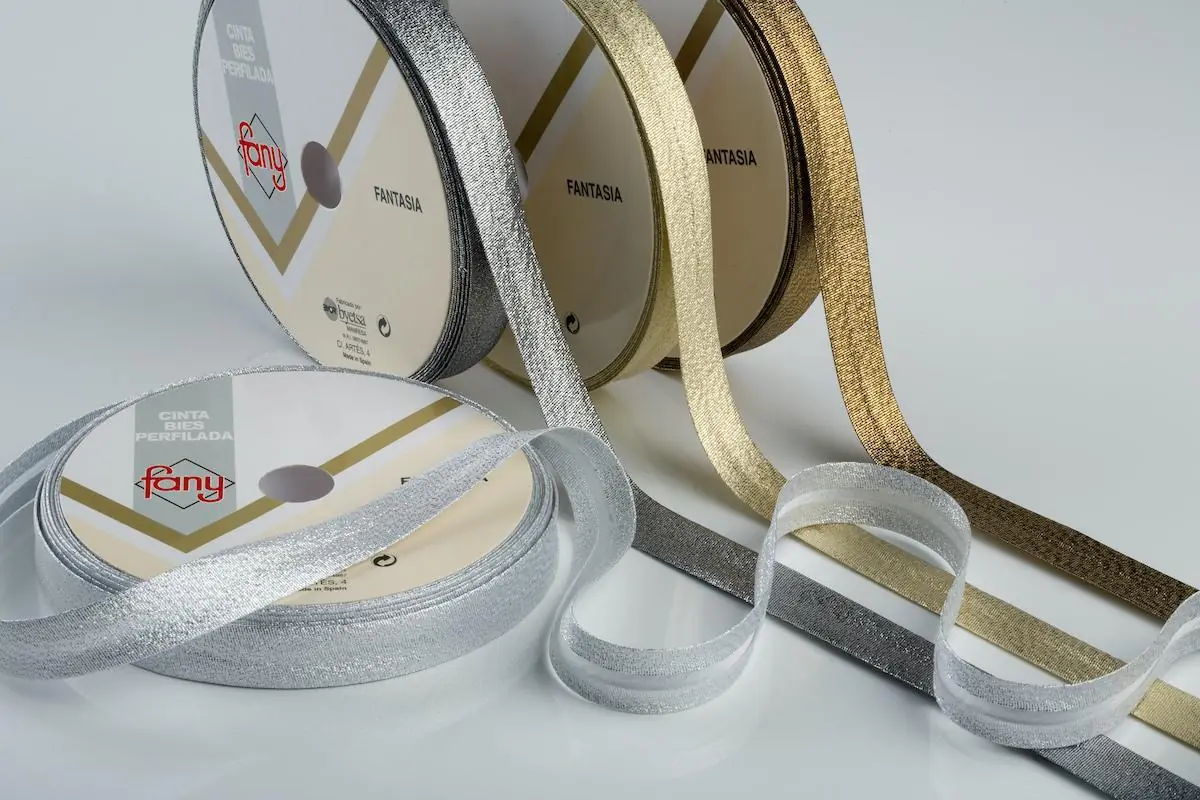 LaméPolyester with metallic lamé
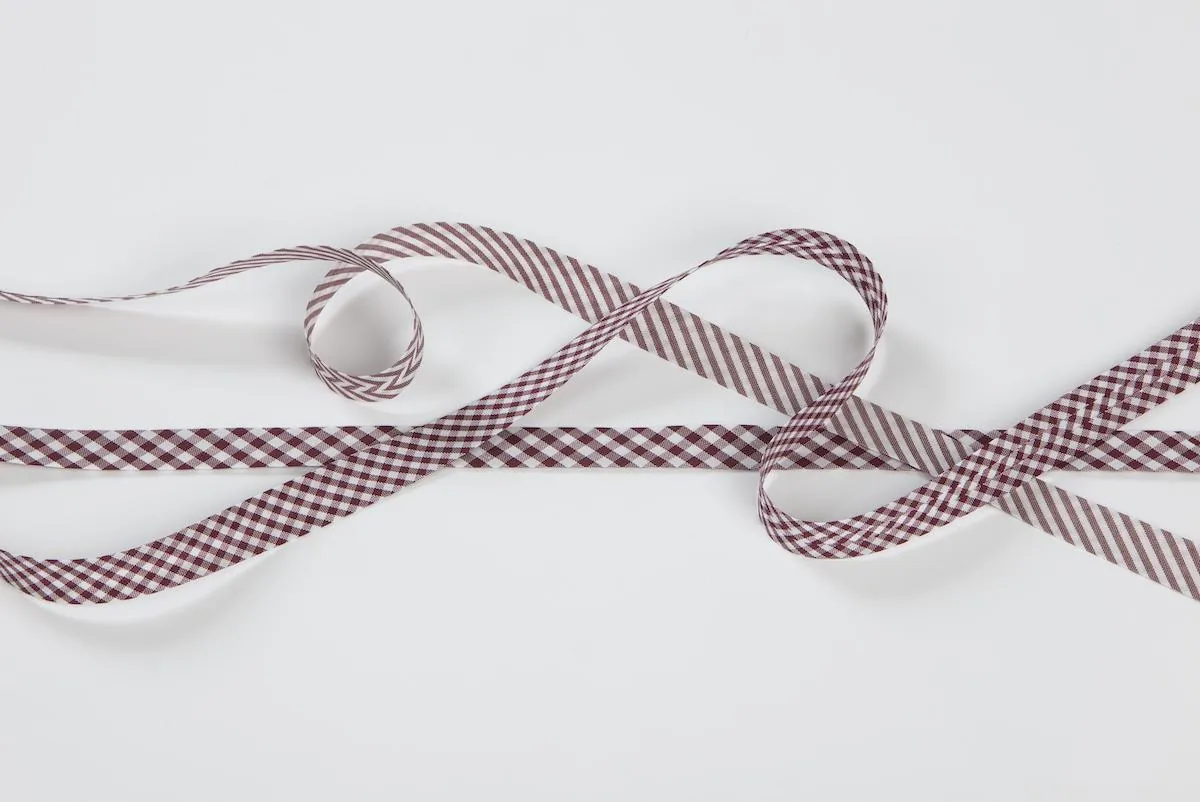 GinghamCheck, mini check and stripe
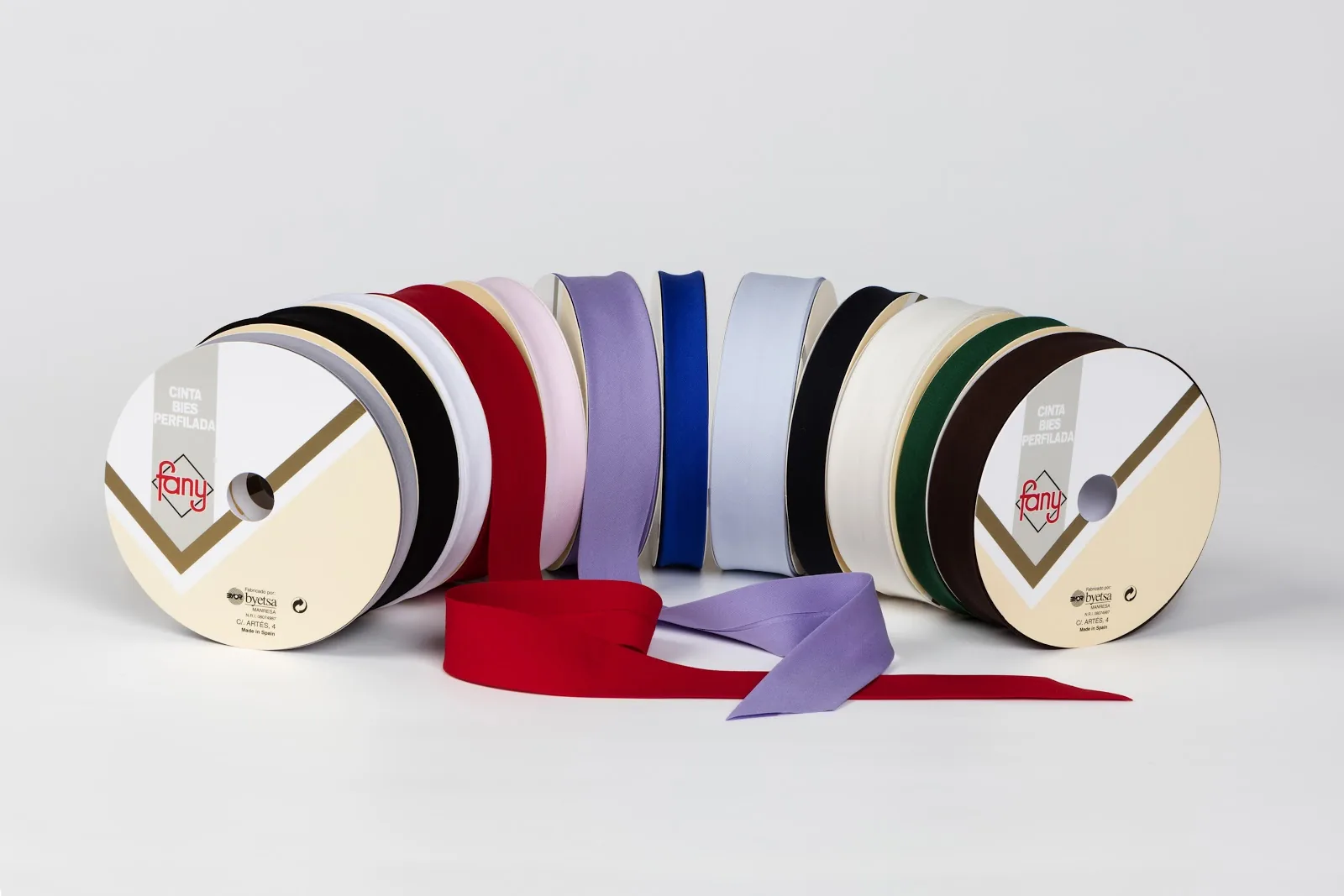 StretchCotton with elastane
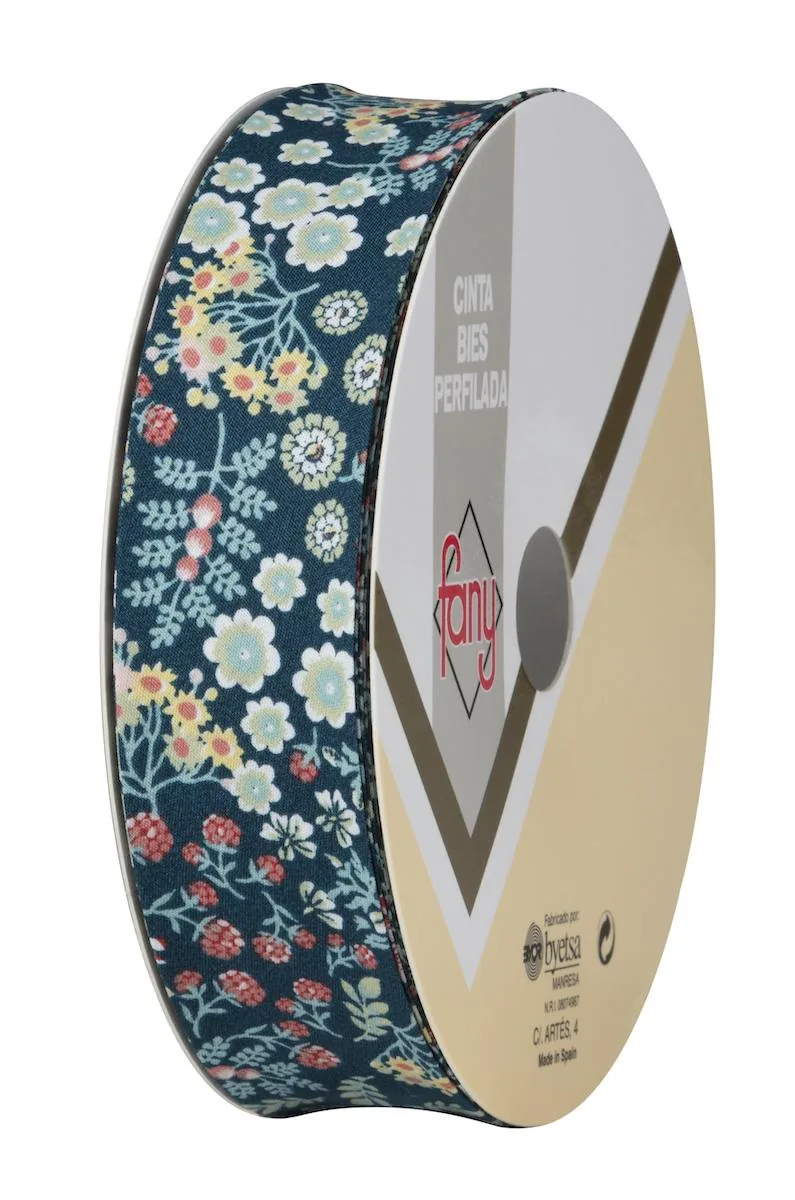 PrintedFloral, children's and geometric
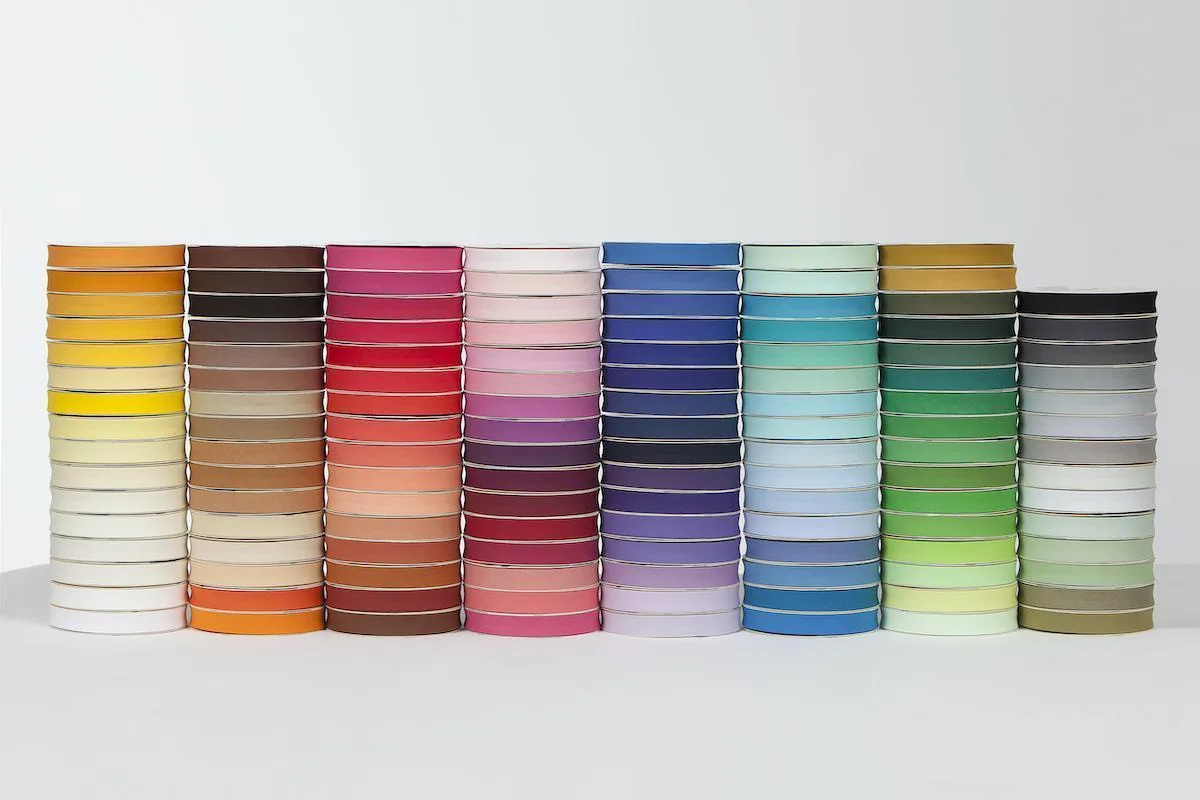 All familiesOur bias bindings
Guides on formats and cuts

Request information about bias binding formats
If you have any questions about our products or need personalised advice, please do not hesitate to contact our team. We are here to help you in any way we can. Write to us!
- Phone93 874 40 98
- Emailinfo@byetsa.es
- AddressC/ Artés, 4 · Pol. Ind. Els Dolors · 08243 Manresa (Barcelona)
Tell us what you need
We will reply with the right reference, format and width for your production.