Home Textile Trends 2026: Trimmings for Table Linen and Bedding
Bias tape for home textiles 2026: trends in table linen and bedding. Piping, edgings, gingham bias tape, linen and décor for home and table textile manufacturers.
 By Francesco ZagnoniPublished on 10 min read
Quick answer
In home textiles for 2026, the standout trims are corded piping, contrast edging, Vichy gingham bias binding and linen bias binding, in a palette of natural tones, terracotta, sage green and Deep Blue, in line with the focus on natural fabrics and subtle trimmings.
Key points
- Heimtextil 2026 champions ‘long-life textiles’: linen, organic cotton, tactile textures and subtle trimmings rather than loud prints.
- Palette: natural neutrals (sand, stone, raw linen), terracotta and sage green, with Deep Blue accents and jewel tones.
- Table linen: Vichy gingham (70% polyester, 30% cotton), linen (54% linen, 46% cotton) and 12 mm decor bias binding.
- Corded piping is back in bedding: Ø2-3 mm for fine sheets and Ø5-6 mm for duvet covers and cushions.
- Rule of thumb: decor bias binding for flat table linen, corded piping for cushions and volume, pleated binding for ceremonial pieces.
The Trends Shaping Home Textiles in 2026
Heimtextil 2026 presented its edition under the motto "Lead the Change" and "Craft is a verb", a message that combines craftsmanship and technology, revives the tactile sensation of natural fabrics, and moves away from fast home in favour of so-called "long-life textiles."
For the sector, this translates into three movements. First, the return of linen, organic cotton, and blends with natural drape. Second, a warmer, less saturated, and more nuanced colour palette. And third, a decorative detail that is making a comeback: subtle trimmings, edgings, and corded piping as a visual code of quality. In this article, we break down how these trends affect the use of bias tape for home textiles, keeping in mind manufacturers and designers planning 2026 collections.
The 2026 Colour Palette: Natural Tones, Sage Green, Terracotta, and Deep Blue
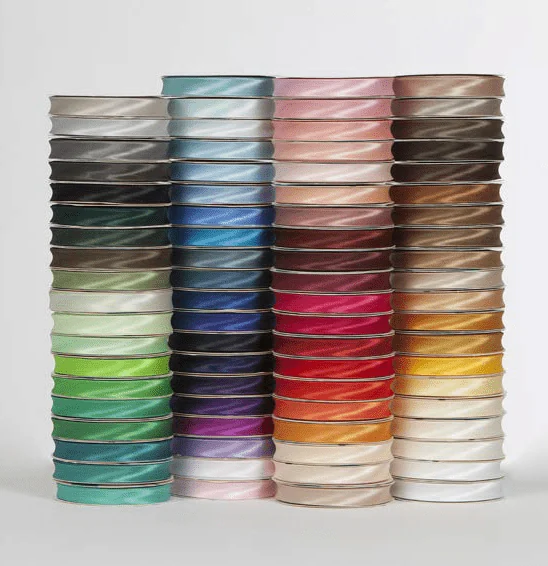
The dominant palette operates on three levels. The first is that of natural and enveloping tones: sand, stone, off-white, butter, raw linen. These form the base of almost any bedding or table linen collection because they convey calm and a connection to craftsmanship.
The second level is that of warm evolutions of beige: Mocha Mousse, terracotta, Burnt Clay, Desert Grey. Tones that add depth without being garish, perfect as a contrasting colour for edgings and piping. Sage green appears across the board as a bridge between natural and decorative, and is especially in demand for table linen and cushions.
The third level consists of saturated accents: the Deep Blue trend inspired by Yves Klein Blue highlighted by Heimtextil, jewel tones (emerald, sapphire), and a tentative return of cherry red for table settings. They appear in edgings and piping, in specific prints, and in premium lines.
Textures, Natural Fabrics, and Layers: Linen, Organic Cotton, and Subtle Trimmings
The big word of the year is texture. 2026 collections are built on blends of washed linen, cotton sateen, percale, brushed flannel, and low-relief jacquards. Tactile sensation becomes a primary selling point in bedding and table textiles.
This directly affects bias tape for home textiles: edgings and piping are now chosen for their tactile behaviour. A washed linen tablecloth calls for bias tape of the same material or natural cotton; a premium percale sheet calls for a satin piping to create visual contrast; a bouclé cushion pairs well with a medium-core batiste piping.
The other tactile trend is the return of subtle trimmings: trims, piping, and finishing details that replace loud prints. The industry is asking for more tape and less print, which restores edgings to the leading position they held before the rise of digital printing.
Returning Patterns: Expressive Floral, Gingham Checks, Organic Geometries
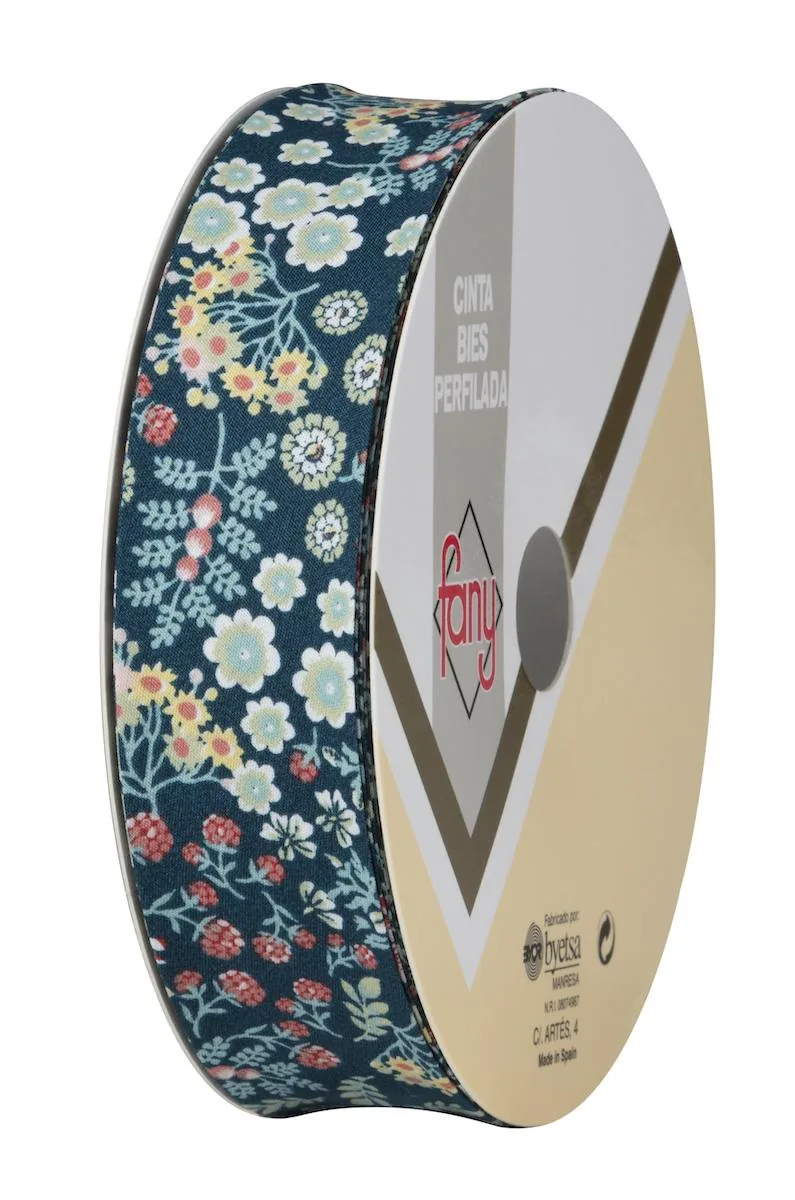
In prints, 2026 brings three trends. The first is large-scale florals: peonies, wildflowers, abstract roses. They appear on curtains, duvet covers, premium tablecloths, and table runners. Floral printed bias tape functions as a complementary finishing touch.
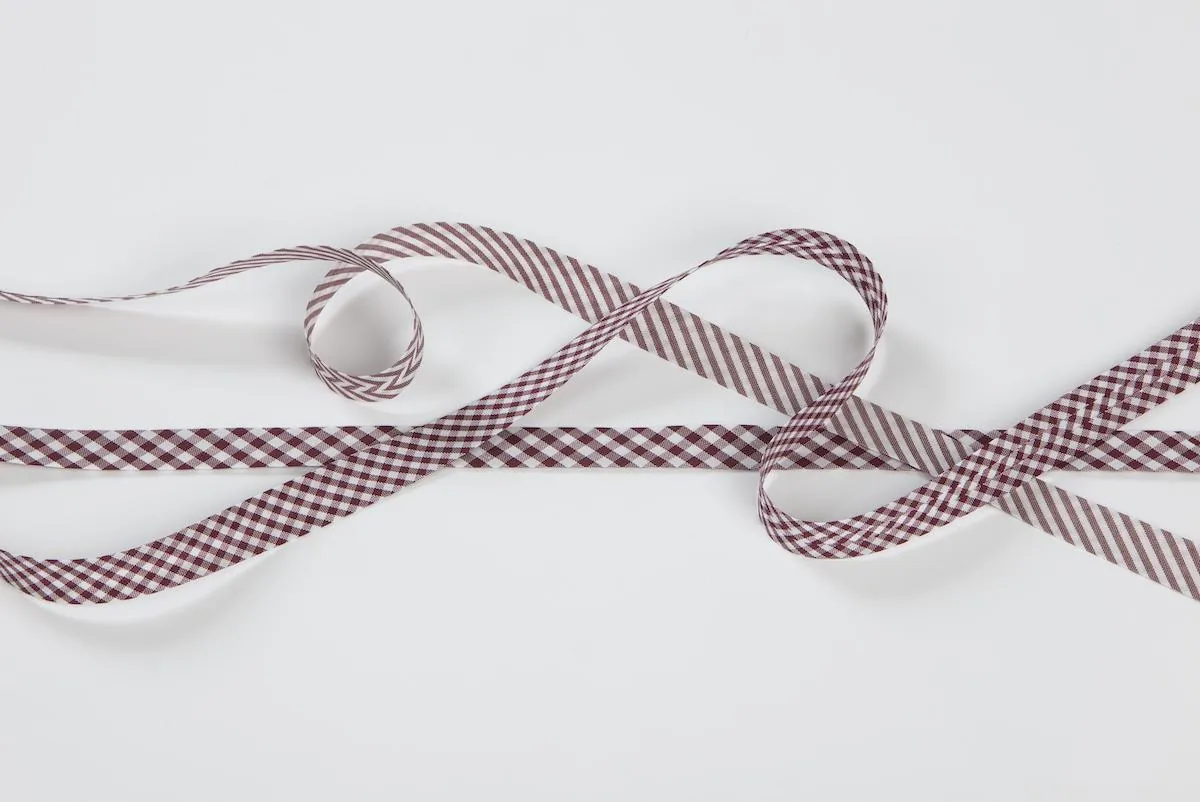
The second is gingham checks and plaids: the "Hollywood Cottage" aesthetic has relaunched table settings with checks in red, sage green, medium blue, and terracotta. The catalogue of gingham bias tape in large check, mini check, and stripe is exactly the reference the sector is requesting.
The third is organic geometries and "Off the Grid" patterns highlighted by Heimtextil: hand-drawn lines, irregular scales, expressive proportions. Polka dots, Greek key patterns, and borders return with a more relaxed interpretation.
The Role of Bias Tape in Table Linen and Table Settings 2026
"Tablescaping" has transformed table settings into a visual practice where tablecloths, table runners, placemats, and napkins are treated as a coherent ensemble, with the same demands as a fashion collection. For manufacturers, this means broader collections and finishing details that communicate quality without the need for expensive prints.
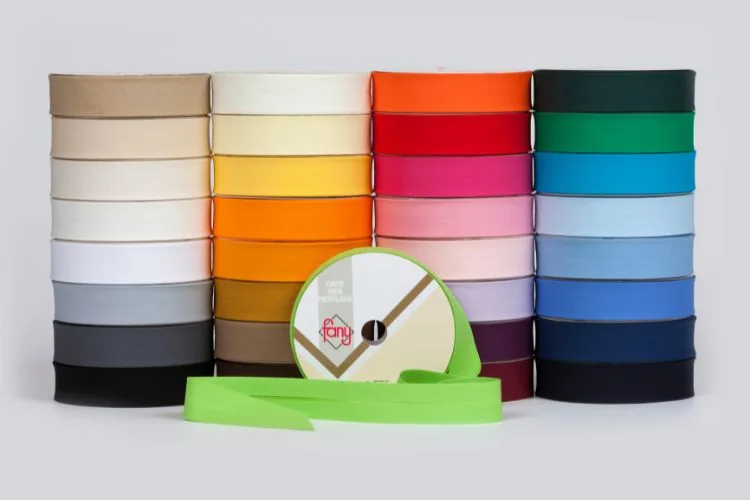
In this new logic, bias tape provides the visual framework of the product. Three families from the Byetsa catalogue concentrate most of the demand for table linen in 2026: gingham, linen, and decor.
Gingham Bias Tape and Printed Bias Tape for Tablecloths, Table Runners, and Placemats
The "Hollywood Cottage" aesthetic has restored gingham to its historical prominence. Checks in red, medium blue, sage green, and terracotta are a safe bet for kitchen table linen, informal tablecloths, napkins, and placemats. Byetsa’s gingham range (70% polyester + 30% cotton, in large check, mini check, and stripe) is available in over fifteen colours and in single-fold and decor formats.
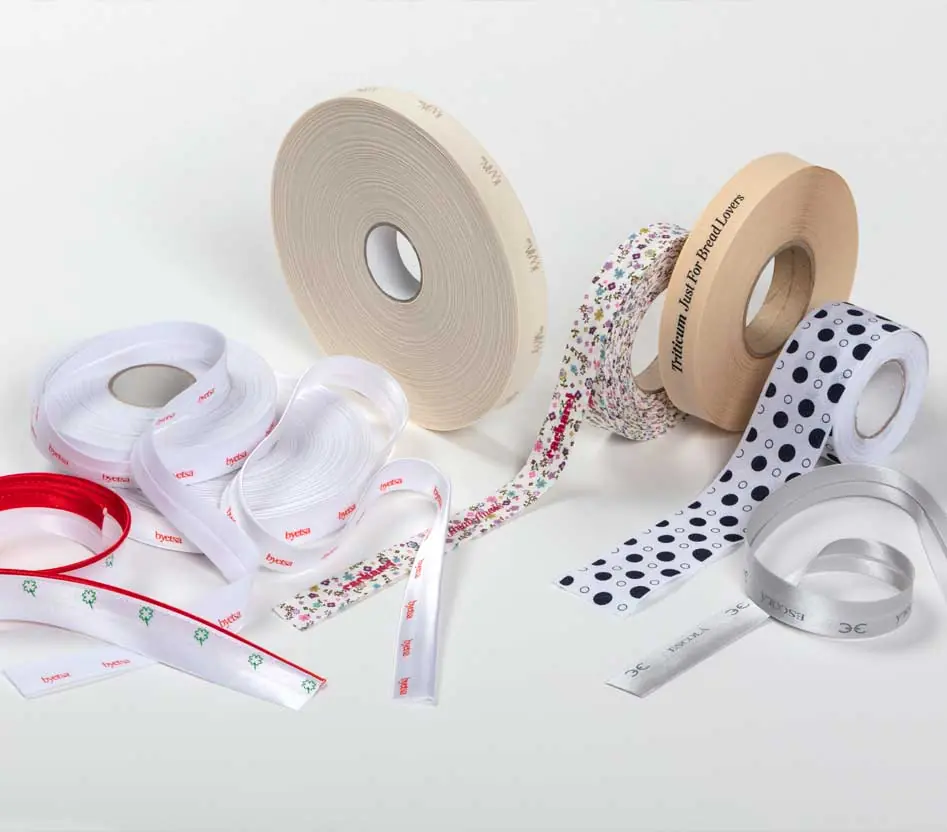
Alongside gingham, printed bias tape with polka dots, florals, and rustic motifs completes the offering. Families like Polka Dots, Floral, Fancy, Sweet, or Rusticbies offer edgings with personality that make it possible to coordinate tablecloths and napkins with good taste. The printed bias tape functions as both a finish and a decorative element at both ends of the table.
For table linen manufacturers working on collections for events, weddings, and communions, combining gingham + polka dot + decor in the same collection is the most successful formula. Three complementary patterns that share composition and washing behaviour.
Linen and Cotton Bias Tape for Natural and Artisanal Table Linen
The 2026 "craft" trend has solidified linen as a leading fabric for premium table textiles. Washed linen tablecloths with contrasting edgings are one of the clearest signals of this season. Byetsa manufactures linen bias tape (54% linen + 46% cotton) in a palette of thirteen natural tones designed to pair with washed linen fabrics.
The 100% cotton bias tape is the other key reference: it provides a natural feel and optimal performance under repeated industrial washing, a critical technical detail in professional table linen. Applications: table runners finished to match napkins, placemats with 12 mm decor bias tape, and napkins finished with 18 or 30 mm single-fold bias tape.
Combining linen bias tape for the main piece and cotton bias tape for napkins and smaller accessories is a frequent strategy for brands that communicate sustainability. Tactile coherence between fabric and trim is the signature of the season.
Decor Bias Tape and Pleats: The Ornamental Detail that Differentiates a Premium Tablecloth
Decor bias tape with a wavy edge and pleats occupy the space in 2026 that traditional lace once did. They are industrial solutions for a coherent ornamental finish that differentiates a premium tablecloth without significantly increasing production costs. Byetsa’s decor bias tape is offered in 12 mm in a very wide range (over forty colours in batiste and specific references in satin, linen, gingham, and cotton).
Decorative pleats are the other alternative for manufacturers seeking visible ornamental texture. They appear on ceremonial tablecloths, wedding placemats, and premium table runners, replacing traditional trimmings at a reasonable industrial cost.
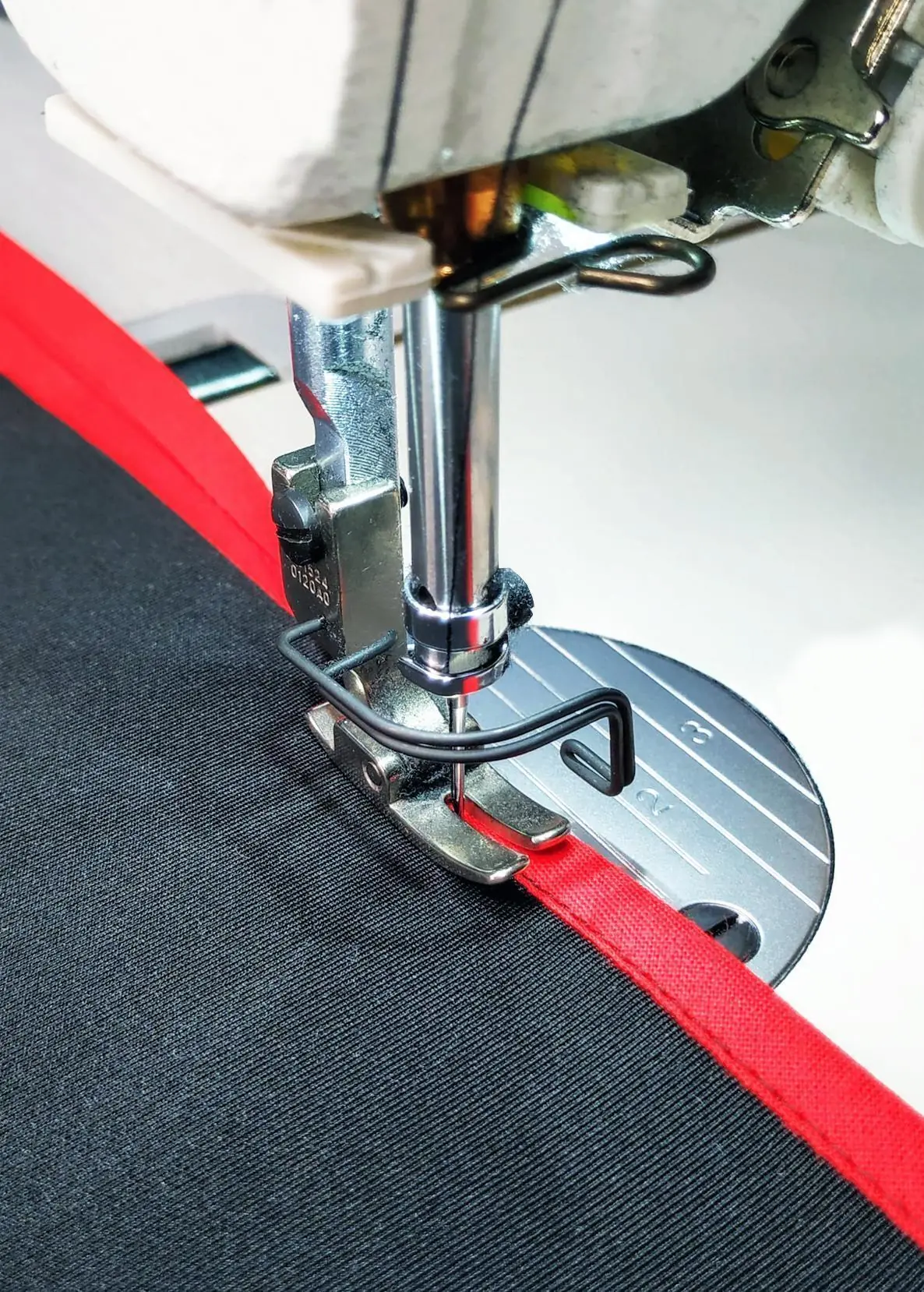
For high-volume productions, understanding the differences between corded piping, flat piping, and decor bias tape is important. The practical rule: decor bias tape for flat table linen, corded piping for cushions and volume, pleats for ceremonial pieces.
Bias Tape in Bedding 2026: Piping, Edgings, and "Hotel-Style" Finishes
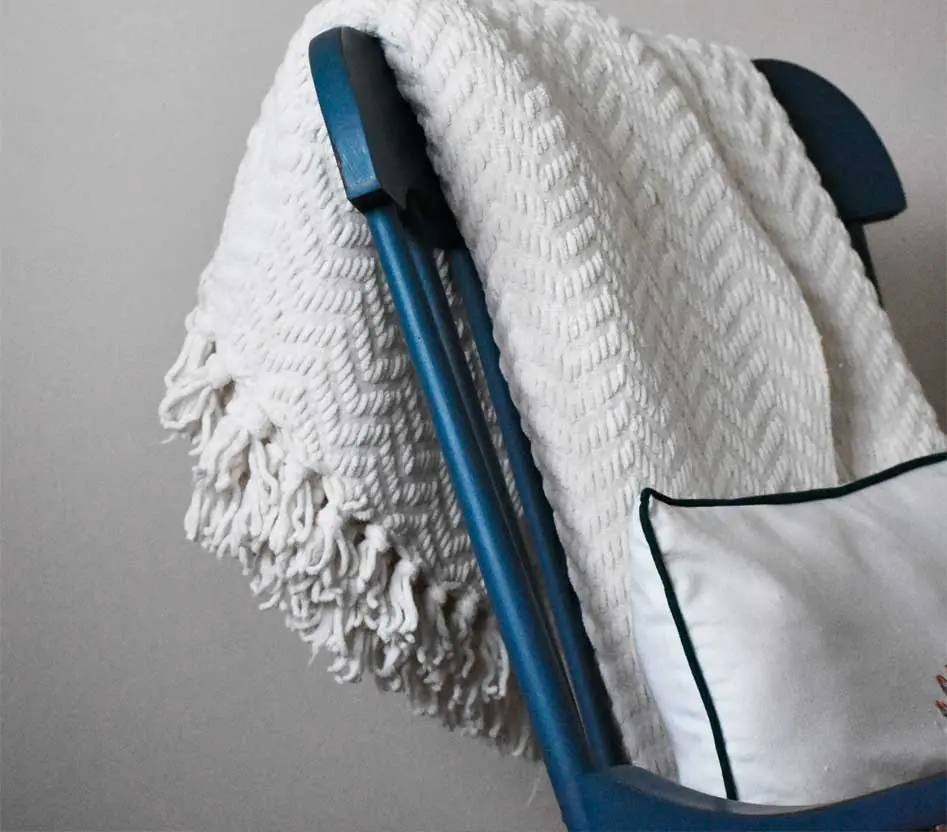
The most defined 2026 trend in bedding is the return of piping—corded piping as a finishing detail—on duvet covers, pillowcases, sheets, and cushions. Major decoration publications (LivingEtc, Bed Threads, Homes and Gardens) point to it as one of the strongest movements of the year: a finish inherited from hospitality that returns for its ability to elevate perceived value without being ostentatious.
This is what the English-language press calls "quiet luxury" or "hotel-style bedding": a clean and well-executed line, without flashy prints, which communicates quality through the edging rather than the fabric pattern. For manufacturers, it's a clear opportunity to increase the average order value without reinventing the product.
Corded Piping: How Piping Defines the Silhouette of Duvet Covers, Sheets, and Cushions
Corded piping is applied in five key positions in bedding. Duvet cover: perimeter of the front to define the silhouette. Pillowcase: top edge or three sides depending on design. Flat sheet: contrasting front edging. Decorative cushion cover: full outline. Coverlet or quilt: perimeter and internal decorative seams.
The choice of core gauge depends on the weight of the base fabric. For percale or cotton sateen sheets, fine or medium-core piping (Ø2-3 mm). For duvet covers with filling and for living room cushions, thick or super-thick core piping (Ø5-6 mm) defines the contour with presence. For crib bedding and premium nursery items, batiste or cotton piping with a fine core provides decorative detail without excessive bulk.
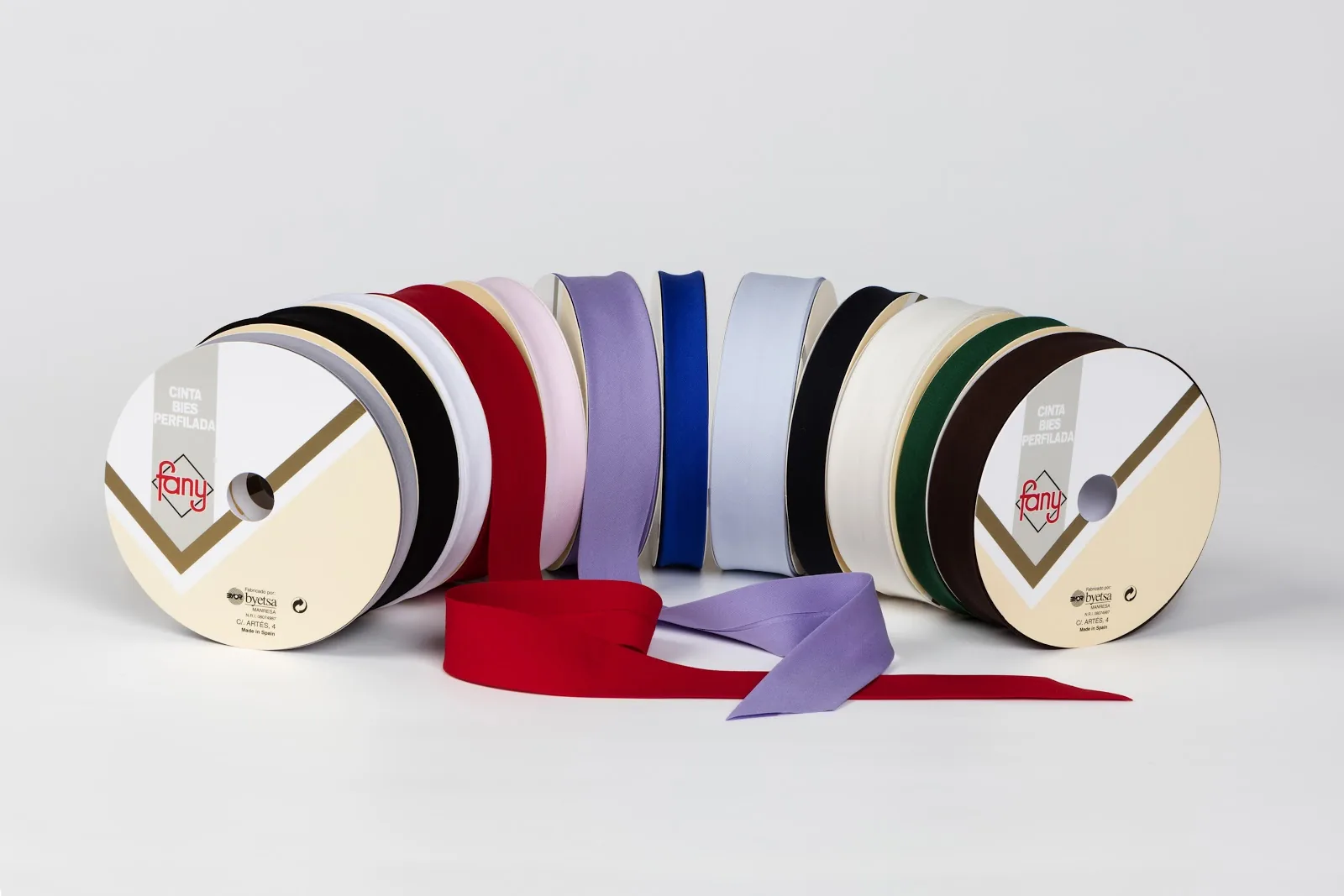
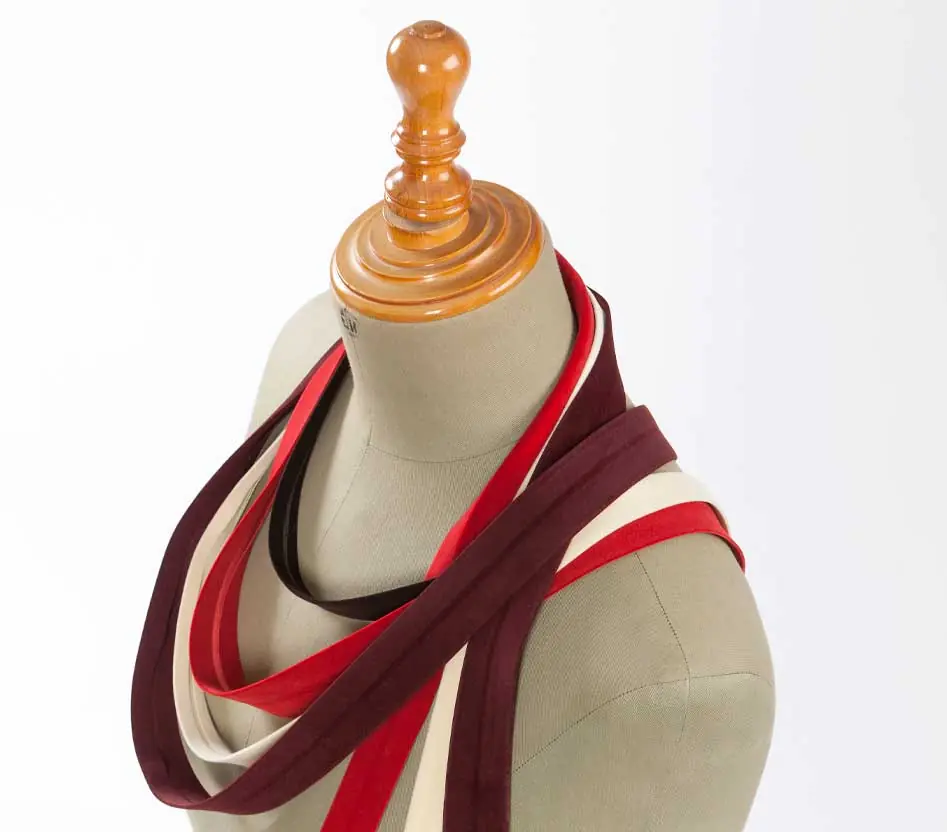
In terms of composition, the Byetsa catalogue covers the 2026 palette with four main options: batiste piping, satin piping, linen piping, and 100% cotton piping. Combining contrasting piping with the year's palette (terracotta on sand, sage on off-white, deep blue on raw linen) is the cleanest visual move of the season. For specific widths or special colours on demand, the industrial and haberdashery presentation formats allow orders to be adjusted to each production.
We make what you need
Looking for bias binding for your production or your haberdashery?
Frequently asked questions
01What type of bias tape works best for finishing tablecloths and table runners?
It depends on the collection's aesthetic. For natural and artisanal table linen, linen bias tape and 100% cotton bias tape in natural tones. For kitchen table linen and informal table settings with a "Hollywood Cottage" aesthetic, gingham bias tape in large or mini checks. For premium or ceremonial tablecloths, 12 mm decor bias tape with a wavy edge or pleated satin. The most requested width is 30 mm.
02What core gauge should be chosen for duvet cover and cushion piping?
For sheets and pillowcases with fine fabrics (percale, sateen), fine or medium-core piping (Ø2-3 mm). For duvet covers with filling and living room cushions, thick or super-thick core piping (Ø5-6 mm) better defines the silhouette. For crib bedding and children's textiles, batiste or cotton piping with a fine core is the most comfortable and safest combination for skin contact.
03What bias tape widths are recommended for home textiles?
The dominant widths are 18 mm and 30 mm for single-fold bias tape, with an additional presence of 12 mm for decor bias tape with a wavy edge. For bedding, 18 mm fits sheet and pillowcase edgings; 30 mm provides more presence on duvet covers and coverlets. For table linen, 30 mm is the most requested, except for 12 mm decor for fine ornamental finishes.
04Does bias tape for home textiles withstand repeated industrial washing?
Yes. The compositions for home textiles (50/50 batiste, 100% cotton, linen with cotton, 100% polyester satin, 70/30 gingham) are formulated to maintain their dimensional stability and colourfastness after repeated domestic and industrial washing cycles. For professional use in hospitality or uniforms, it is advisable to validate the specific temperature and detergent with the client's samples beforehand.
05What are the most requested bias tape colours and prints in home textiles for 2026?
In solid colours, off-white, sand, beige, sage, terracotta, navy, and a Deep Blue accent. In prints, gingham checks in red, sage, and medium blue; polka dots in black and white; floral bias tape; and for premium finishes, gold or copper satin bias tape. The best-selling combination of the season is the pair of sand linen bias tape + terracotta satin piping.
06Can bias tape for home textiles be ordered in industrial format with custom widths?
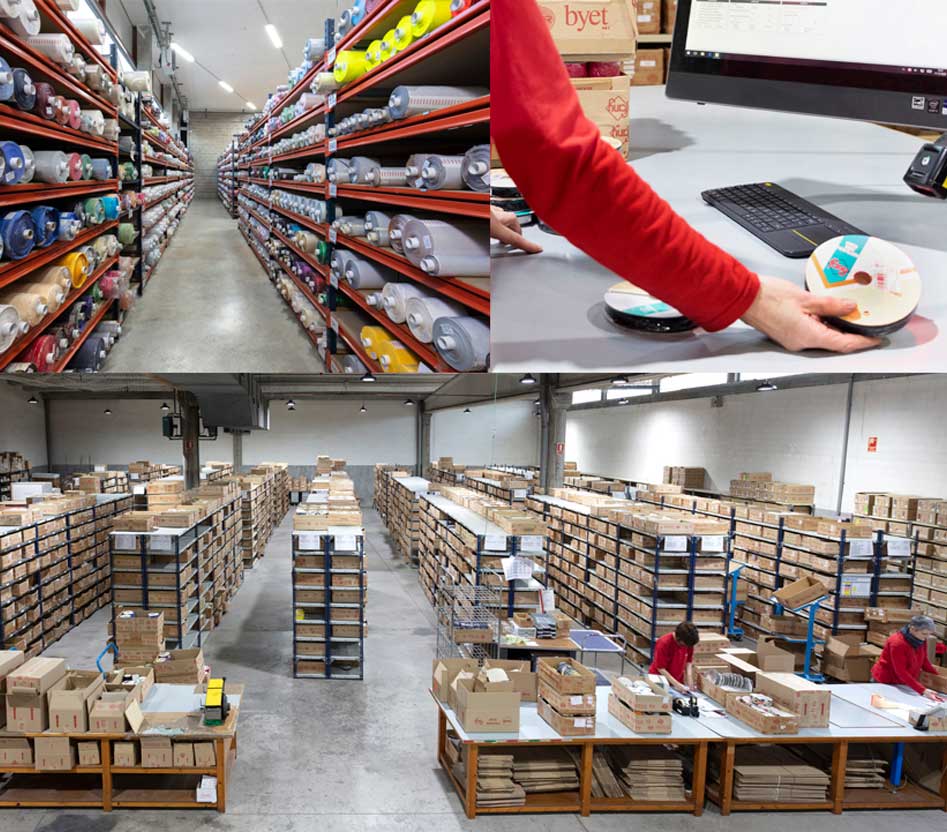
Yes. Byetsa's industrial range allows for ordering long rolls with custom widths according to the price list for specific productions. There is also the possibility of manufacturing special colours on demand and processing the client's own fabric: the manufacturer sends their fabric, and Byetsa transforms it into industrial bias tape with exact tolerances, maintaining colour coherence with the rest of the collection.
Related articles
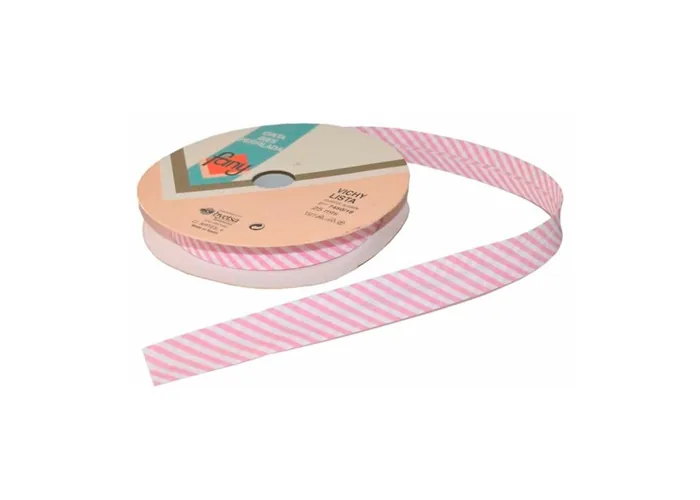
Vichy Bias Tape Catalogue: the timeless classic for children’s fashion and home décor
Discover the Byetsa Vichy bias tape catalogue: three patterns, 15+ colours, industrial and haberdashery formats. Ideal for children’s fashion, home décor and childcare products.
Read article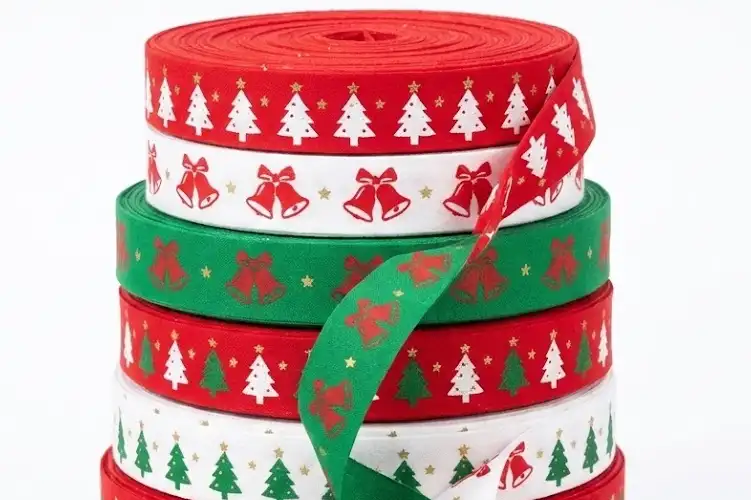
Preparing for the Christmas campaign: the most in-demand bias tapes
Discover the new collection of Christmas 2025 bias tapes at Byetsa. Exclusive designs and industrial quality for manufacturing and decoration. Find out more!
Read article
Spring-Summer 2025 Trends: Wide Bias Tape
Discover the Spring-Summer 2025 trends with Byetsa and wide bias tape. Personality, colours, style and much more in this article.
Read articleDo you have a question about bias binding?
If you have any questions about our products or need personalised advice, please do not hesitate to contact our team. We are here to help you in any way we can. Write to us!
- Phone93 874 40 98
- Emailinfo@byetsa.es
- AddressC/ Artés, 4 · Pol. Ind. Els Dolors · 08243 Manresa (Barcelona)
Tell us what you need
We will reply with the right reference, format and width for your production.