The Importance of OEKO-TEX Certification in Children’s Textiles
Discover why OEKO-TEX Standard 100 Class I certification is vital in children's textiles. Ensure chemical safety and industrial competitiveness with Byetsa.
 By Francesco ZagnoniPublished on Updated on 12 min read
Quick answer
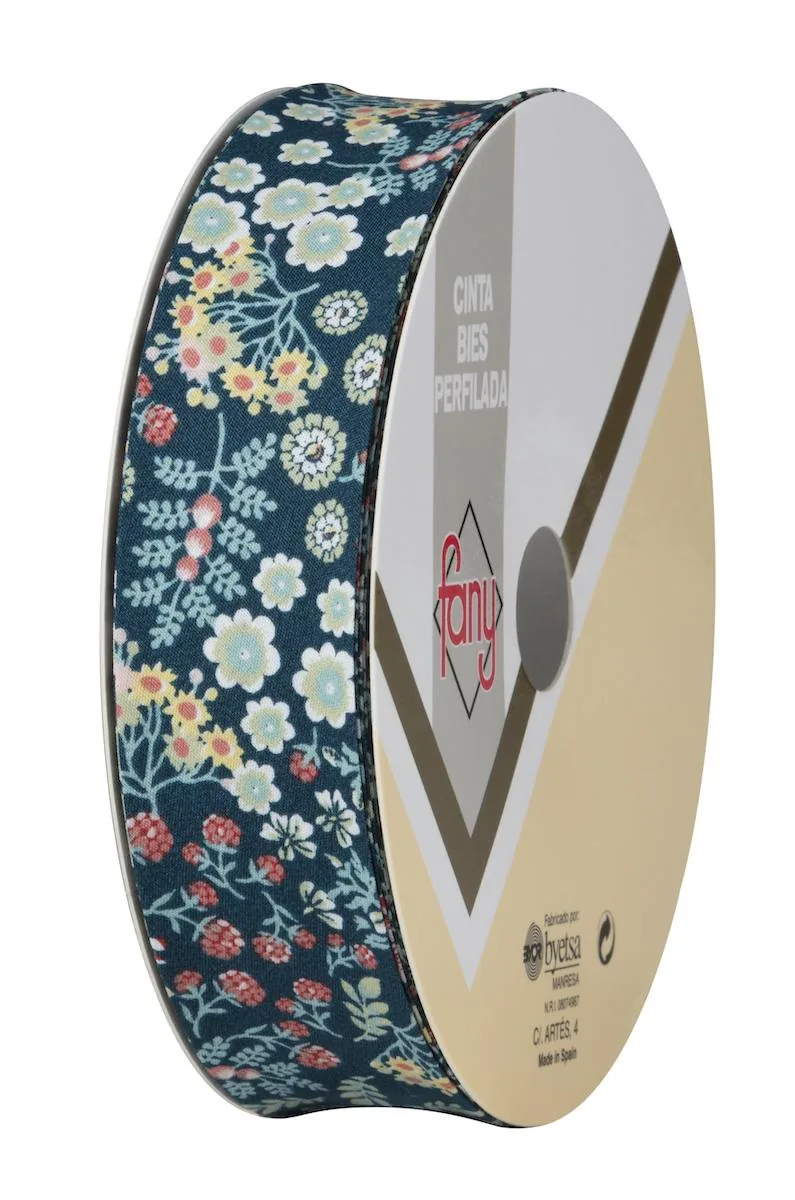
In children’s textiles, certification against harmful substances guarantees that every component, including the bias binding, meets very strict chemical limits, protects a baby’s immature skin and makes it easier for the manufacturer to achieve regulatory compliance and earn buyer confidence.
Key points
- The most demanding category of textile certification applies to articles for babies and children up to 3 years old.
- It controls azo dyes, formaldehyde, extractable heavy metals and colour fastness to saliva and perspiration.
- A baby’s skin is more permeable and, in proportion to its weight, absorbs more substances than an adult’s.
- Certified components simplify quality checks, help with REACH and CPSC compliance and reduce the risk of recalls.
- Byetsa identifies the batch of every reel and manufactures in 100% long-staple cotton or pre-shrunk polycotton.
Chemical Safety Standards: A Non-Negotiable Requirement in Children's Garment Manufacturing
In today's textile industry landscape, product safety is no longer an optional feature or an added value. It has become a legal and ethical imperative, especially when we talk about the delicate sector of children's fashion and childcare items.
Over recent decades, awareness of the toxicity of certain chemical components used in dyeing and finishing processes has radically transformed international regulations. It is no longer enough for a garment to be aesthetically appealing or functional; above all, it must be biologically safe.
For manufacturers and garment makers, navigating this regulatory environment can be complex. Globalised supply chains often make full traceability of raw materials difficult, from thread to finished product.
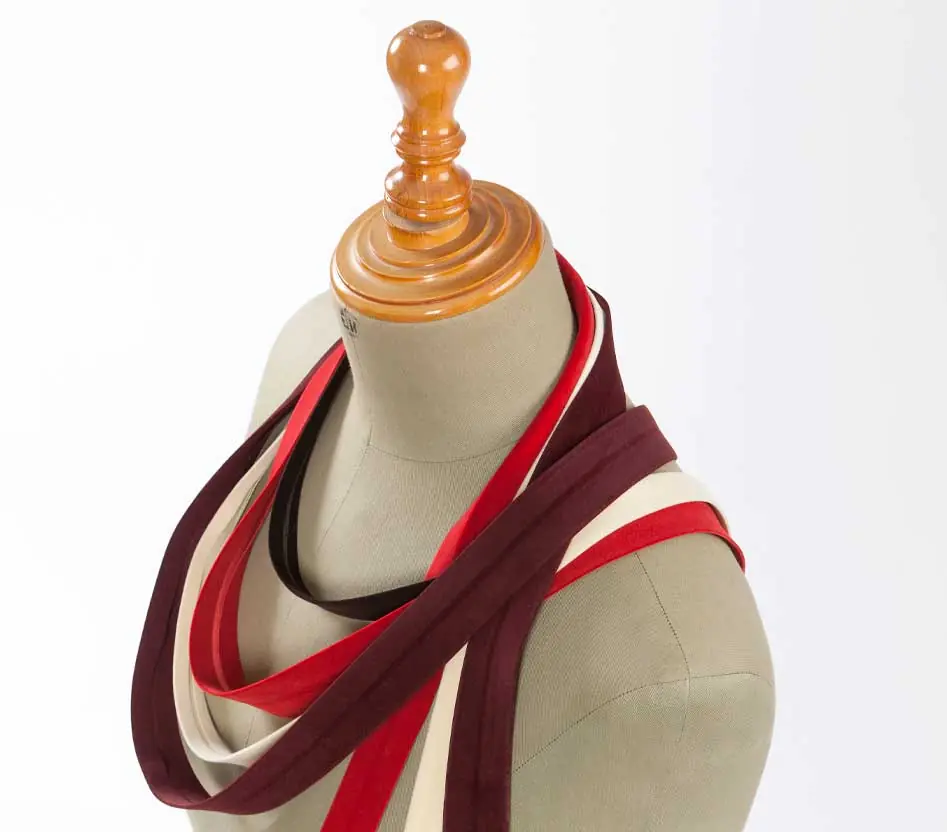
However, in the niche of textiles for babies and toddlers, there is no margin for error. A single contaminated component, such as a bias tape used to finish the neckline of a bodysuit, can compromise the safety of the entire production.
This can result in health alerts, product recalls, and irreversible reputational damage. This is where standardised certifications, such as OEKO-TEX Standard 100, act as an essential firewall, ensuring that each input meets the strictest chemical safety limits.
What OEKO-TEX Standard 100 Class I Certification Technically Implies
The OEKO-TEX Standard 100 certification is not a generic seal; it is divided into four product classes according to intended use and skin contact. Class I is the most restrictive and rigorous of all, specifically designed for textile items intended for babies and children up to 3 years old.
Technically, this means the permitted limits for harmful substances are considerably lower than in any other category. In many cases, these limits approach undetectable levels to ensure total safety.
To obtain this certification, textile components — including threads, buttons, zips and, of course, bias tapes and trimmings— must undergo exhaustive laboratory tests. These analyses check for both legally regulated and unregulated substances that could be harmful.
Among the critical parameters evaluated in Class I is the total prohibition of azo dyes that may release carcinogenic amines. There is also strict control of formaldehyde, a volatile substance often used to prevent wrinkles but highly irritating.
Furthermore, a severe limitation of extractable heavy metals such as lead, cadmium, or arsenic is imposed. A crucial technical aspect of Class I is colour fastness testing against saliva and perspiration.
Since babies tend to put their clothes in their mouths, the standard demands that dyes do not come off or migrate into the body under moisture and friction conditions. This ensures that even if a baby sucks on the bias tape of a bib, they do not ingest chemical microparticles.
Complying with Class I requires advanced chemical management at the production plant. It is vital to ensure that the fabric's pH is compatible with human skin (slightly acidic) and that there are no pesticide or chlorinated phenol residues.
Dermatological Vulnerability in Early Childhood and Absorption of Harmful Substances
The insistence on such high standards for the children's sector stems from an inescapable physiological reality. Baby skin is not simply a miniature version of adult skin; it is a developing organ with unique characteristics.
Its functional structure makes it extremely permeable and vulnerable to external agents. In the first years of life, the barrier function of the epidermis is immature. The stratum corneum is thinner and cells are less cohesive, making percutaneous absorption of chemicals easier.
Biologically, the ratio between body surface area and weight is much higher in a baby than in an adult. This means that, with the same exposure to a fabric treated with harmful substances, the concentration of toxins in the child’s body will be proportionally much higher.
If a bias tape in direct contact with the neck contains traces of heavy metals or phthalates, the risk skyrockets. The child’s metabolic system for eliminating these toxins is limited, increasing the risk of contact dermatitis or systemic allergies.
Moreover, the immune system in early childhood is still developing. Early exposure to chemical allergens in textiles can trigger sensitisation processes that result in chronic conditions such as atopic dermatitis.
Therefore, using OEKO-TEX Class I certified materials is not just a matter of regulatory compliance. It is a measure of preventive public health. By choosing safe components, manufacturers actively protect the biological development of end users.
The Evolution of Demand: Informed Parents and a Demand for Transparency
The childcare market has undergone a paradigm shift driven by access to information. Today's consumer—parents and caregivers—has a highly educated and demanding profile.
These consumers research product composition before making a purchase. They no longer trust brands blindly; they seek tangible evidence of safety and sustainability. The rise of the 'toxic-free' movement has made label reading a widespread habit.
In this context, OEKO-TEX certification has become a decisive purchasing factor. Parents see this seal as a non-negotiable guarantee of peace of mind.
A garment lacking certification, or whose secondary components (such as bias tapes or embellishments) don't declare their safety, is perceived as a lower-quality product. Supply chain transparency is now a strategic business value.
Brands that openly communicate that all their inputs, down to the last finishing detail, are certified achieve much greater customer loyalty. This allows them to justify a premium price position against less transparent competitors.
The demand is not limited to the absence of harmful substances; it extends to corporate responsibility. Consumers reward companies that demonstrate a proactive commitment to children's health.
Ignoring this trend and continuing to use uncertified materials to save costs is an obsolete strategy. In the medium term, this removes brands from the competitive market, where trust is the most valuable currency.
Added Value and Industrial Competitiveness through Certified Components
In the B2B sector, integrating certified components like Byetsa's bias tapes should not be viewed as a cost. It is a strategic investment that significantly elevates the value proposition of the final product.
For a garment workshop or a major children's fashion brand, using inputs backed by OEKO-TEX greatly simplifies processes. It reduces the burden of internal quality controls and streamlines entry into international markets.
Certification acts as a technical passport validating the quality of the raw material. This avoids the need for expensive re-testing with every incoming production lot.
Today, industrial competitiveness is based on the ability to offer a 'zero defects' product, including chemical safety. By incorporating certified bias tapes, the manufacturer transfers that guarantee to their own garment.
This is especially relevant in public tenders, such as school uniforms or nursery supplies. It is also vital in agreements with major distributors that demand impeccable technical dossiers from their suppliers to avoid risks.
A certified component adds robustness to the product’s technical sheet. It clearly differentiates it from 'low cost' imports, which often fail basic safety tests and jeopardise business operations.
Moreover, consistency in quality is crucial for profitability. Production processes audited under Standard 100 ensure not only chemical safety but also stability in the fabric's physical parameters.
This results in fewer needle breakages and less machine downtime. It also ensures better bias tape performance during automated manufacturing, thus optimising workshop operating costs.
International Regulatory Compliance and Commercial Risk Mitigation
The legal framework governing the safety of children's products is a maze of regulations that vary by region. In Europe, the REACH regulation sets strict limits for thousands of chemicals.
In the United States, the CPSC (Consumer Product Safety Commission) imposes its own requirements, especially regarding lead and phthalates. For an export-oriented brand, ensuring compliance with all these rules is a logistical challenge.
This is where OEKO-TEX Standard 100 certification plays a crucial role as a risk mitigation tool. As a global standard that often exceeds national laws in stringency, it offers broad coverage.
Using certified materials ensures, by default, compliance with the vast majority of international regulations. This protects the manufacturing company from possible customs inspections, administrative sanctions, or border shipment blocks.
The commercial risk of 'non-compliance' is devastating for any company. A product recall for detected traces of banned dyes carries multimillion-dollar costs.
We're talking reverse logistics, stock destruction, fines, and lawsuits. By using certified bias tapes, a critical risk variable is eliminated. This shields the supply chain from legal contingencies that could threaten the company's financial viability.
Certification as a Strategic Brand Positioning Tool
In a saturated market, differentiation is key to survival. Certification becomes a powerful marketing tool that communicates the brand's values without words.
Demonstrating a commitment to safety through OEKO-TEX certified materials allows brands to position themselves in an upper segment. We are talking about the 'ethical and safe fashion' niche, a constantly growing market with greater resistance to price wars.
This is vital for emerging brands or independent designers. Using supplies from recognised suppliers like Byetsa and highlighting this on labels provides instant credibility.
A message such as 'Trims made with OEKO-TEX certified bias tape' tells the end customer that attention to detail is paramount. It shows no expense has been spared on the quality of auxiliary materials.
It's both an emotional and rational selling point: 'We care for what you love most.' Major retailers also use these certifications to protect their corporate image.
By requiring certified components from suppliers, they build a secure brand ecosystem. Certification ceases to be a bureaucratic formality and becomes a cornerstone of corporate identity, associated with excellence and responsibility.
Guaranteed Traceability in Byetsa’s Supply Chain
A garment’s safety is only as strong as its weakest link. It is useless to use the best organic cotton for a dress bodice if the bias tape finishing the armholes contains harmful substances.
At Byetsa, we understand that our role as industrial suppliers is to offer a guarantee of absolute continuity. Our commitment to OEKO-TEX Standard 100 certification is comprehensive.
This commitment applies to all our manufacturing processes, from selecting the base fabric to final cutting and folding. Nothing is left to chance in the production chain.
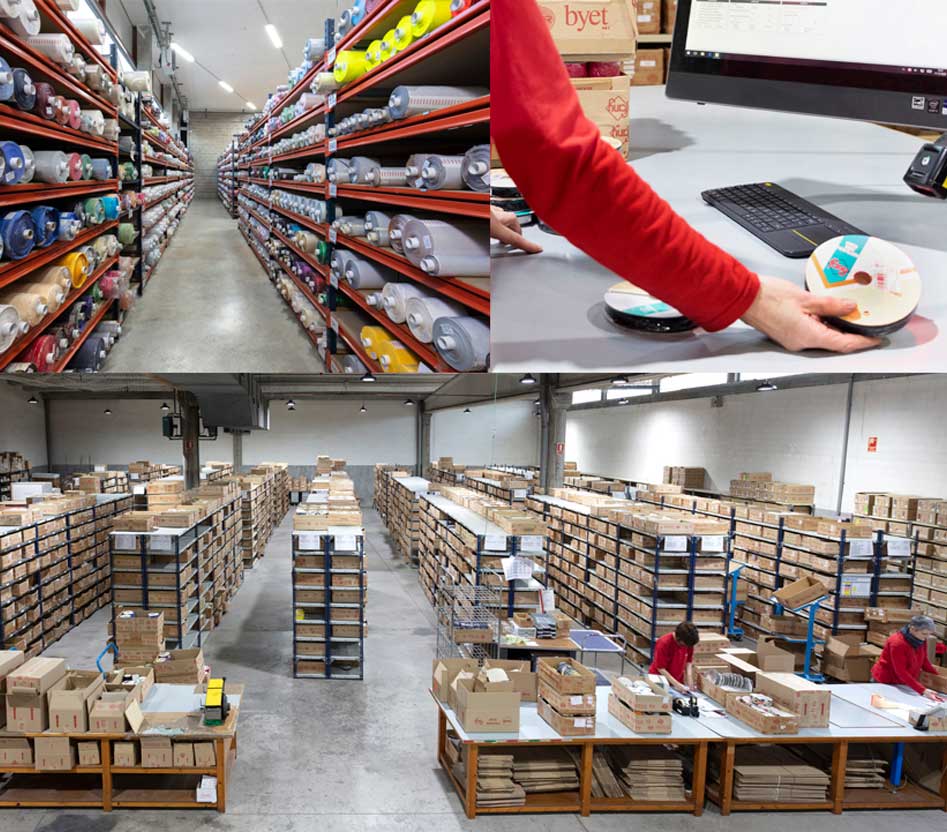
We maintain a rigorous traceability system that lets us identify the exact batch of every bias tape reel. We ensure it complies with Class I specifications at all times.
This provides our industrial clients with the peace of mind of integrating a safe component. They know the material has passed the world's strictest quality checks before reaching their cutting table.
We are not mere tape sellers; we are strategic partners in product safety. By choosing Byetsa, the garment maker buys not only a bias tape of superior aesthetic quality.
They also gain the backing of a company that constantly audits its suppliers and processes. This streamlines purchasing management for clients, who can centralise their trimming needs with total confidence.
Technical Specifications of Bias Tapes for the Childcare Sector
Designing childcare components requires a very precise technical balance. Bias tapes intended for this sector must not only be chemically inert.
They must also meet specific mechanical properties to withstand intensive use. We are talking about fabrics that must endure frequent washing cycles at high temperatures, necessary for baby hygiene.
The material must not deform, fade, or degrade with tough washes. At Byetsa, we develop tapes with optimised fabric structures to provide natural elasticity.
This elasticity makes it easier to adapt to sharp curves, such as small necklines or tight armholes. It prevents wrinkles or tension that may rub against the sensitive skin of infants.
We work with compositions of 100% long-staple cotton and high-quality polycotton blends. These fibres are specifically selected for their hypoallergenic properties and pleasant feel.
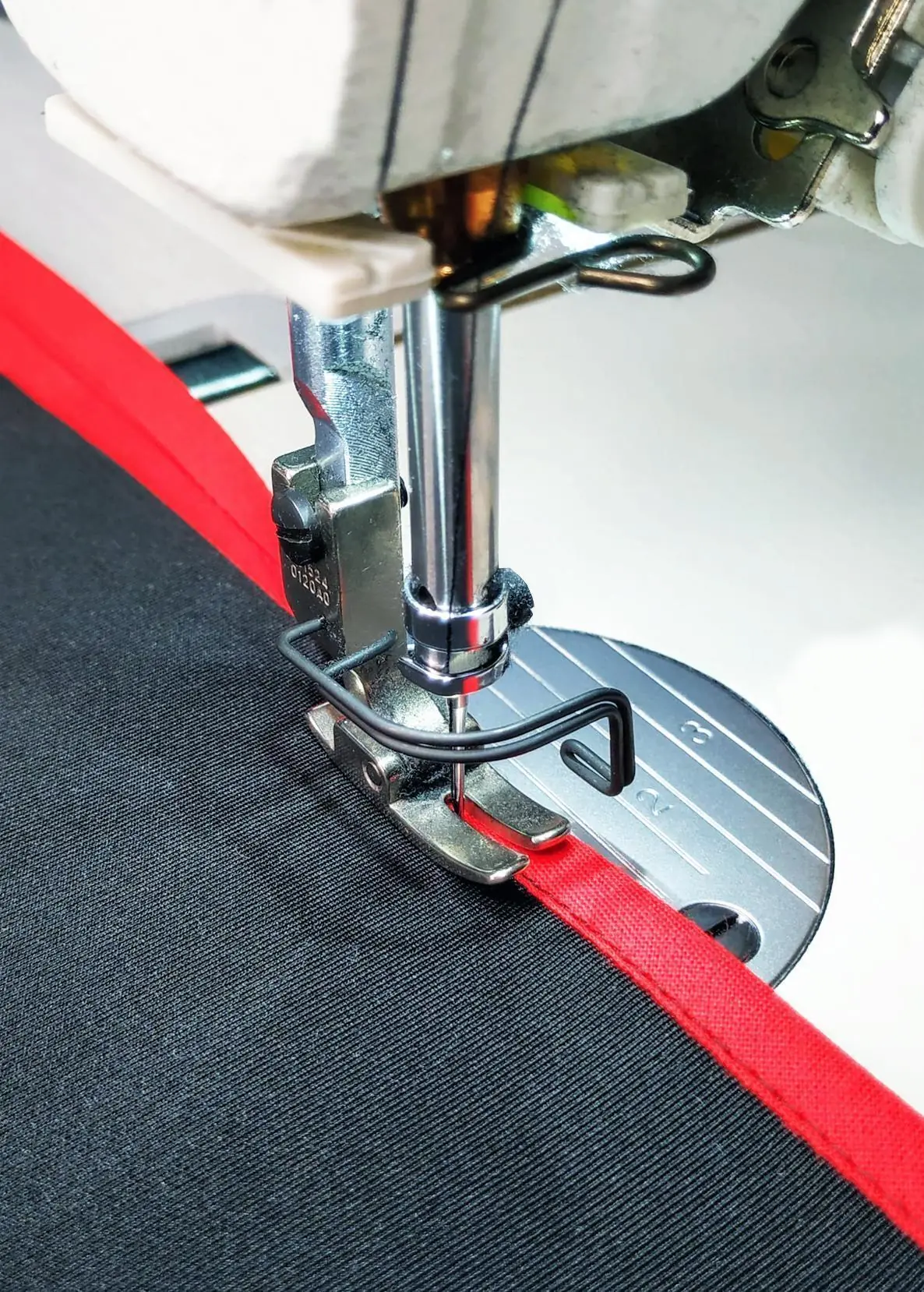
The bias cutting process is precise to the millimetre. We guarantee the tape maintains its width and shape during industrial application, be it with automatic binding machines or manual sewing.
Dimensional stability is another critical factor in our product engineering. A bias tape that shrinks more than the main fabric after washing will cause unwanted puckering.
Our finishing processes include pre-shrinking and stabilisation treatments. This ensures homogeneous behaviour of the tape throughout the garment's lifespan, maintaining the original appearance.
The Balance Between Safety, Softness, and Mechanical Resistance in Finishes
Sensory comfort is as important as chemical safety in children's textiles. Baby skin is extremely sensitive to continuous mechanical friction.
A rough finish, rigid seam, or bias tape with a 'stiff' feel can be disastrous. They can cause severe irritations (intertrigo) in fold areas such as the neck or groin.
Therefore, the technical challenge lies in achieving extreme softness without compromising resistance. Byetsa’s bias tapes undergo very specific mechanical and chemical softening processes.
These processes are always carried out under OEKO-TEX standards to guarantee a silky feel ('soft touch'). However, this softness must not mean structural weakness.
Finishes on children's garments are areas of high mechanical tension. They withstand snap buttons being done and undone often, and stretching when dressing the child.
The bias tape acts as an indispensable structural reinforcement in these critical areas. Our products achieve this balance by using high-tenacity threads and advanced weaving techniques.
Also, dye fastness is tested against both wet and dry rubbing. We ensure the vibrant colours, so common in children's fashion, do not fade or bleed.
It is the perfect blend of textile engineering and dermatological safety. Our bias tapes are designed to meet parents' demands and the standards of the modern industry.
We make what you need
Looking for bias binding for your production or your haberdashery?
Frequently asked questions
01Why does bias binding need to be certified if it is only a trim component?
Because a single contaminated component, such as the bias binding on the neckline of a babygrow, can compromise the whole production run and lead to health alerts, product recalls and reputational damage. What’s more, bias binding is in direct contact with sensitive areas and babies may put it in their mouths, so it must meet the same limits as the main fabric.
02Which substances are controlled in textiles intended for babies?
Azo dyes that can release carcinogenic amines are banned, formaldehyde is strictly controlled and extractable heavy metals such as lead, cadmium and arsenic are limited. A skin-friendly pH is also required, along with the absence of pesticide residues and chlorinated phenols, and colours must withstand saliva and perspiration.
03Does using certified bias binding make it easier to export children’s clothing?
Yes. In Europe the REACH regulation applies, and in the United States the CPSC imposes requirements on lead and phthalates. A global standard that often exceeds national legislation covers most of these requirements, protects against customs inspections, penalties and goods being held, and avoids costly counter-testing on every batch received.
04What technical properties should bias binding for babywear have?
It must withstand frequent high-temperature washing without losing its shape or colour, have enough stretch to fit small necklines and narrow armholes, and remain dimensionally stable so it does not cause puckering after washing. It should also be soft to the touch without losing strength, as it has to bear press studs and stretching when the child is dressed.
05How does Byetsa guarantee the traceability of its bias binding for the children’s sector?
Byetsa runs a traceability system that identifies the exact batch of every reel of bias binding, from the selection of the base fabric to cutting and final folding. It also constantly audits its suppliers and processes and tests dye fastness to wet and dry rubbing, which simplifies purchasing management for garment manufacturers.
Related articles
Luxury finishes: Using satin and lamé bias tape in haute couture
Lamé bias tape for haute couture. Discover its features and characteristics in this post. Request information with no obligation.
Read article
Cost Optimisation in Garment Manufacturing: Advantages of Buying Bias Tape Wholesale in Europe
Optimise costs in your workshop by purchasing bias tape wholesale. OEKO-TEX quality, European manufacturing and fast delivery. Improve your profitability with Byetsa.
Read article
Cotton vs. Polyester Bias Tape: Technical Guide for Industrial Garment Manufacturing
Cotton or polyester bias tape? We analyse technical differences, properties and industrial performance. Choose the best tape for your garments with Byetsa.
Read articleDo you have a question about bias binding?
If you have any questions about our products or need personalised advice, please do not hesitate to contact our team. We are here to help you in any way we can. Write to us!
- Phone93 874 40 98
- Emailinfo@byetsa.es
- AddressC/ Artés, 4 · Pol. Ind. Els Dolors · 08243 Manresa (Barcelona)
Tell us what you need
We will reply with the right reference, format and width for your production.