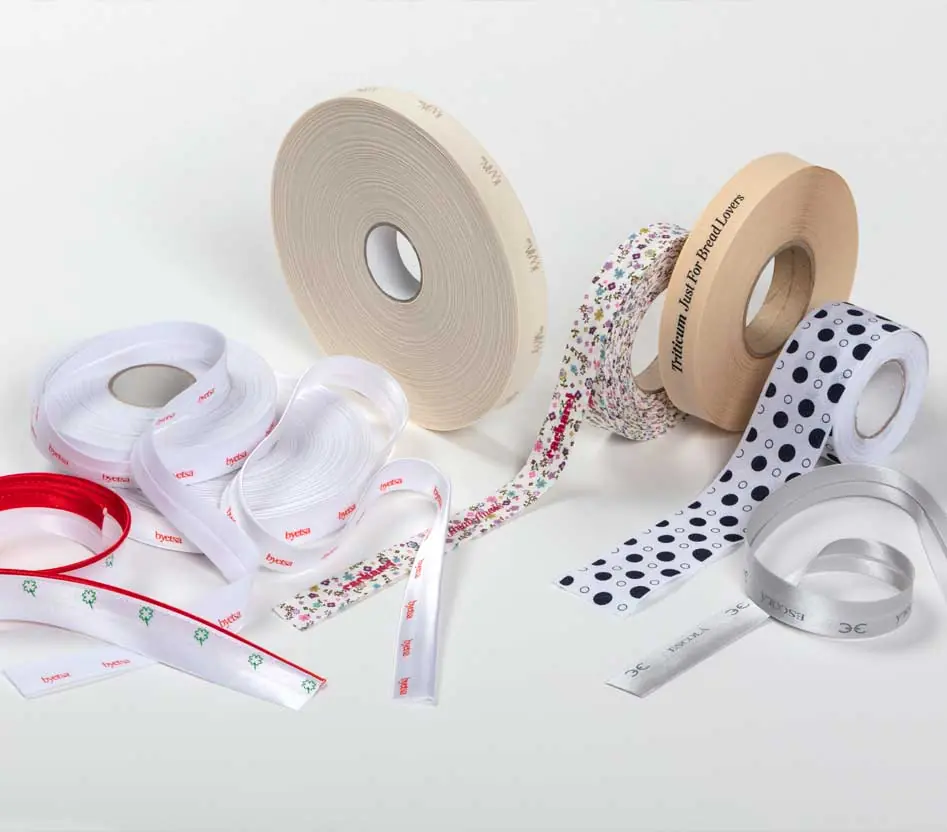
Bias binding widths: what sizes are available and which one to choose
Bias binding is mainly made in widths of 12, 18, 25 and 30 mm. Find out which size to choose depending on your project and when to order a custom width.
 By Francesco ZagnoniPublished on Updated on 9 min read
Quick answer
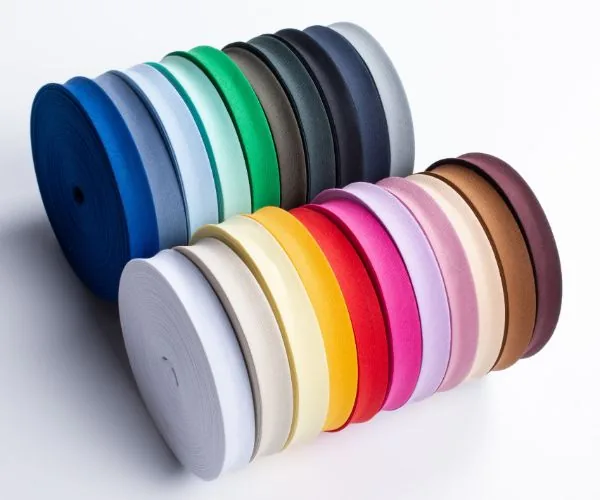
Bias binding is made in four standard widths—12, 18, 25 and 30 mm—as well as custom sizes.
Key points
- How to choose: depending on the type of project, the thickness of the edge to be finished, and whether you want a subtle or decorative finish.
- Most used widths: 18 mm (the most versatile) and 30 mm (the one with the greatest visual presence).
- By material: prints look best in 30 mm; children’s finishes, in 12 mm.
- Custom: Byetsa manufactures custom widths from 6 mm up to the full piece.
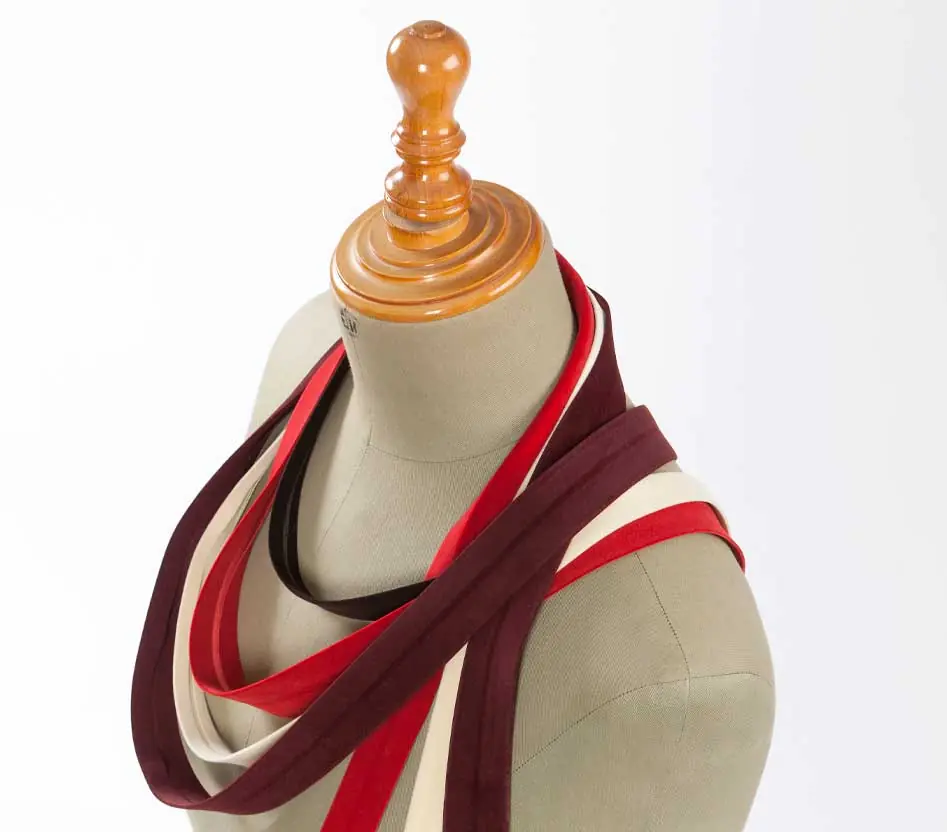
Choosing the width of bias binding may seem like a minor detail, but it affects the outcome of any sewing, garment-making or decorating project. The tape’s size determines how it integrates into the garment, how much of the edge it covers, and whether the finish goes unnoticed or becomes a decorative feature with its own personality.
Getting the width right saves rework and improves the final finish. In this guide you’ll see what widths are available, which one to choose depending on the use and type of project, the most in-demand sizes by material, which width is best for children’s clothing and when it makes sense to order custom bias binding—plus the most common mistakes to avoid.
What is the width of bias binding and why does it matter?
The width of bias binding is the measurement of the tape, already folded and ready to sew, taken from edge to edge. It’s the figure shown in the catalogue (12, 18, 25 or 30 mm) and, together with the material, the factor that most influences the finish. The reason is simple: bias binding wraps the fabric edge, so the wider it is, the more of the garment’s surface will be covered and the more visible the finish will be.
A narrow width adds discretion and finesse—ideal when the goal is to protect the edge without the tape drawing attention. A wider width has more presence, adds structural stability to the edge and allows a colour or print to stand out as a decorative feature. That’s why it’s best to choose the width based on the project—and the effect you want—rather than simply using whatever you have to hand.
Standard bias binding widths (12, 18, 25 and 30 mm)
At Byetsa we manufacture bias binding in four standard widths that cover virtually all sewing, garment-making and decorating projects. Each size is designed for a specific use:
| Width | Recommended use |
|---|---|
| 12 mm | Fine detail: children’s clothing, small accessories and delicate finishes. |
| 18 mm | The most versatile: edges on shirts and dresses, and medium-sized home textiles. |
| 25 mm | More visual presence: curtains, tablecloths and bag details. |
| 30 mm | Maximum impact and stability: outerwear and bold prints. |
These four widths are available in almost all the materials in our catalogue, so you can keep the same size and change only the fabric or colour depending on the project. If you need a different size, we explain the custom bias binding option later on.
Recommended bias binding width by project type
Beyond the size itself, what’s practical is knowing which width fits best for each type of work. This table summarises the most common combinations:
| Project type | Recommended width | Why |
|---|---|---|
| Children’s clothing and accessories | 12 mm | A fine, soft, discreet finish for small garments. |
| Shirts, blouses and dresses | 18 mm | Balanced proportion; the most versatile width in fashion. |
| Home textiles (cushions, tablecloths) | 18–25 mm | Covers medium edges with presence without looking heavy. |
| Curtains and quilts | 25–30 mm | More surface coverage and stability on large pieces. |
| Outerwear and coats | 30 mm | Reinforcement and presence on thick edges. |
| Bags and accessories | 25 mm | Durability with a visible, decorative detail. |
| Crafts and trims | 12–30 mm | Depending on whether you want a subtle detail or a statement. |
These are guidelines, not fixed rules: personal taste and the style of each collection may lead you to choose a wider or narrower width to achieve a specific effect.
How to choose the width of bias binding
To choose the right width, it’s worth considering three factors before buying or cutting:
- The type of project. Finishing a bib isn’t the same as finishing a curtain or a coat: each piece calls for a different proportion between the edge and the tape.
- The thickness of the edge. The thicker the edge you need to cover, the wider the tape must be to wrap it fully and be securely stitched on both sides.
- The effect you want. A narrow width blends into the fabric and goes unnoticed; a wider one becomes a decorative element that defines the piece’s silhouette.
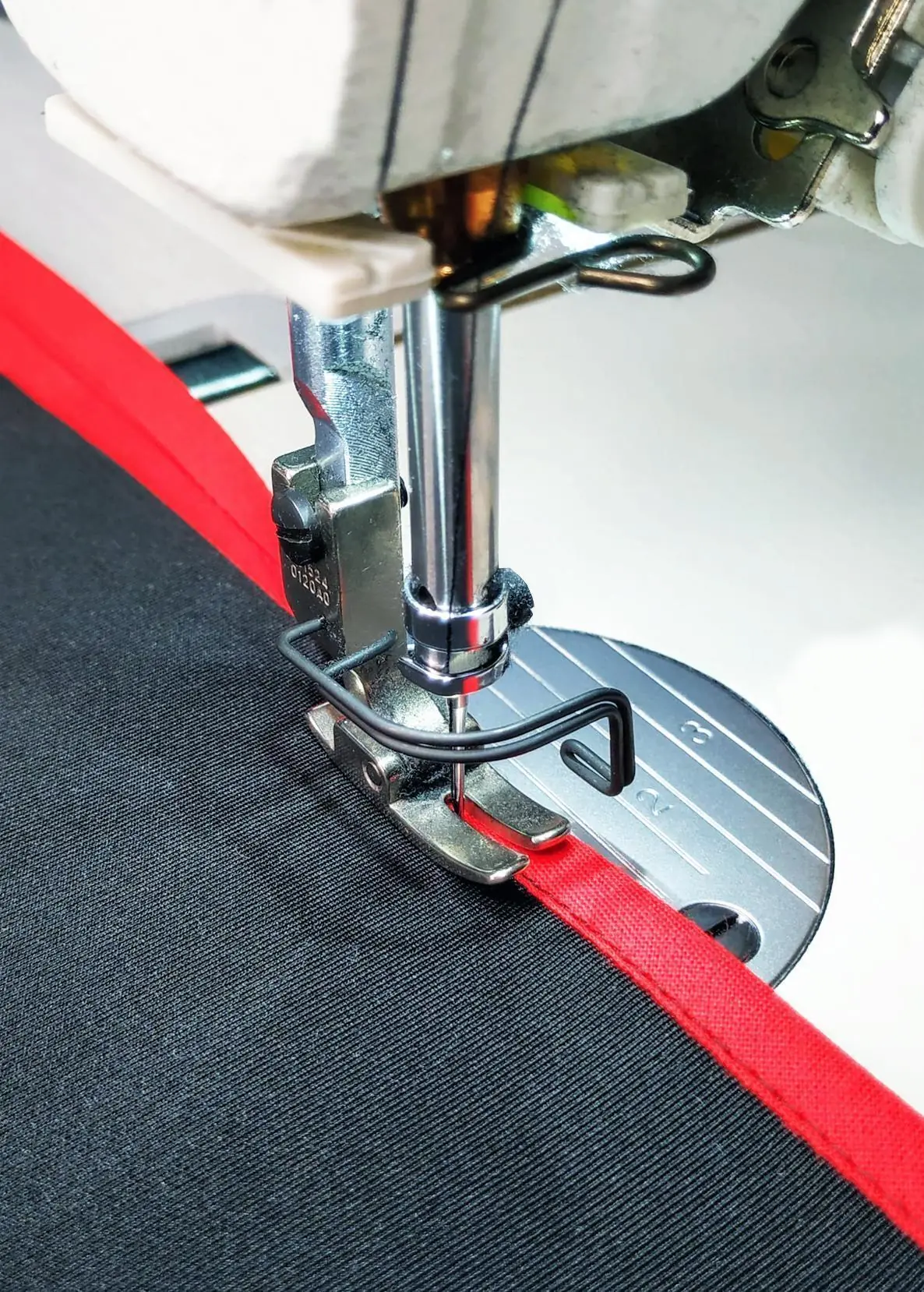
As a practical rule, when in doubt choose the next width up: it’s always easier for a slightly wider finish to look good than to force a tape that’s too tight. And test on a scrap before finishing the final piece, especially if you’re binding tight curves, where width has a big impact on how easy it is to apply.
Most used widths by material
Cotton, satin and lamé bias binding
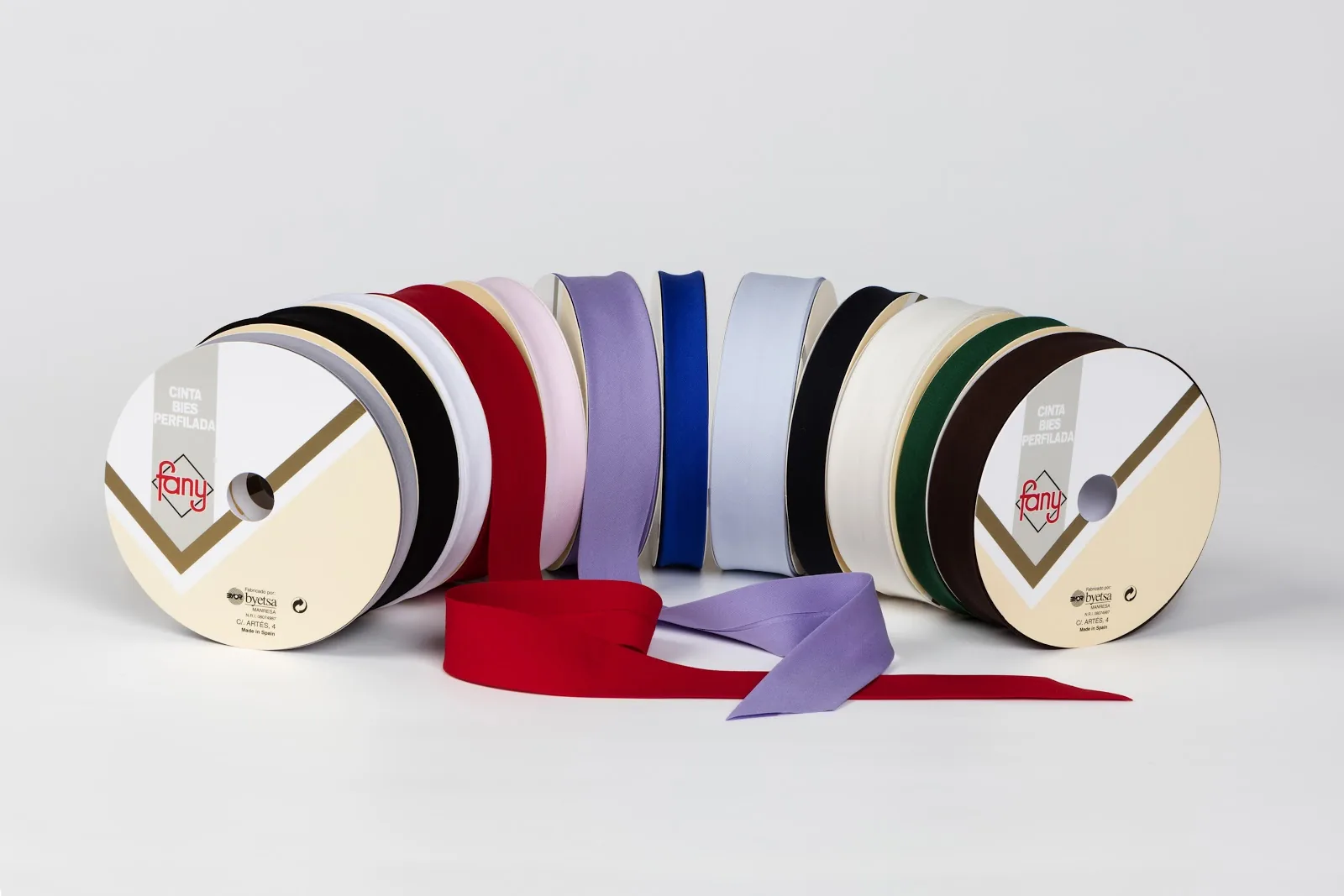
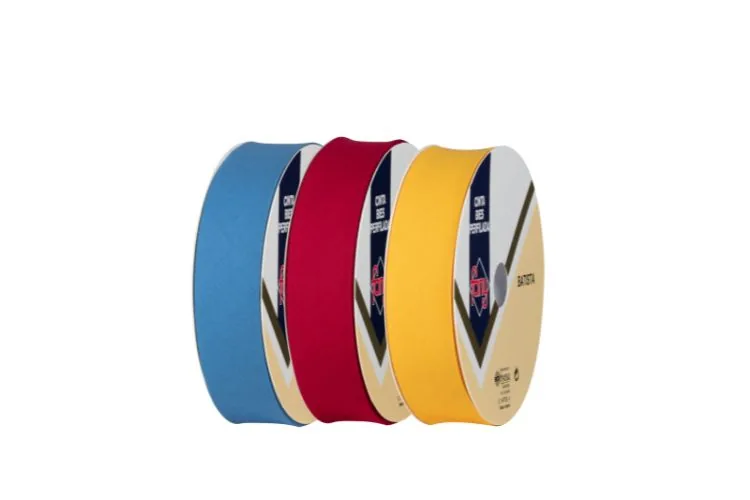
Cotton bias binding, the most versatile and widely used, is ideal for children’s clothing and everyday garment-making and is mainly ordered in 12, 18, 25 and 30 mm.
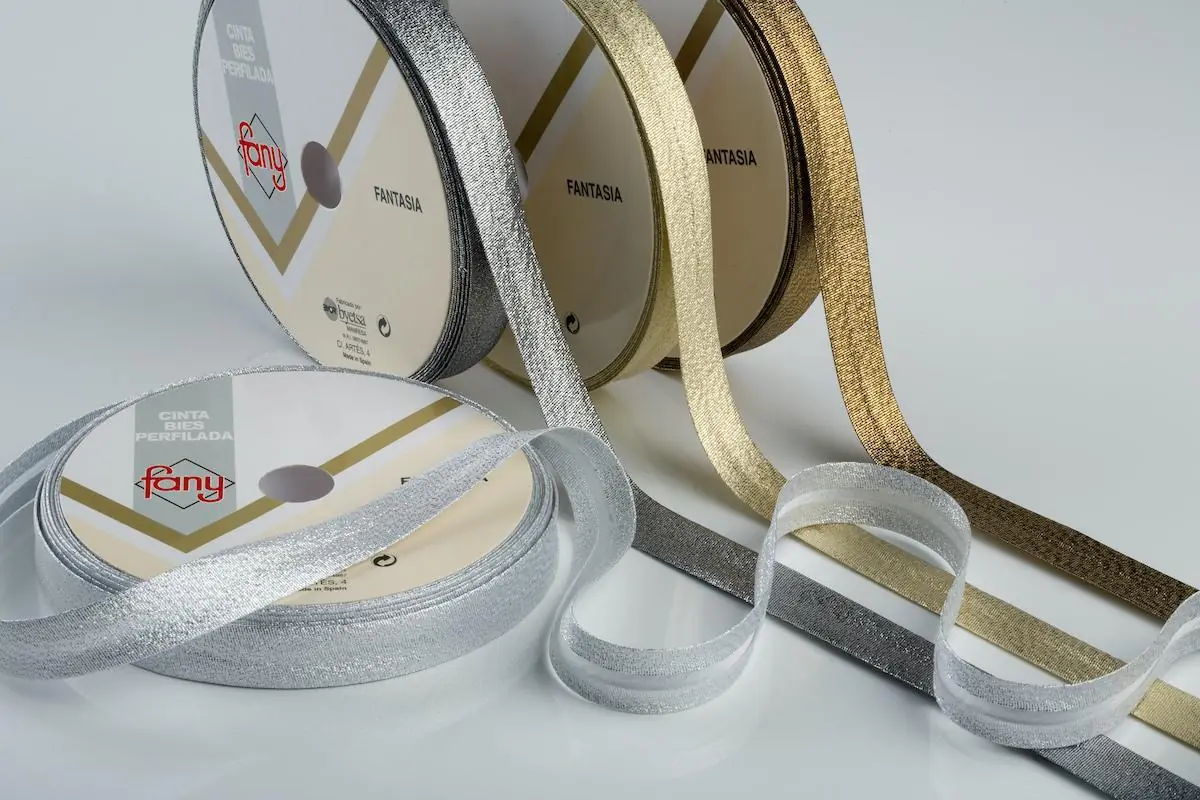
Satin bias binding, with a soft feel and even sheen thanks to the use of trilobal yarns, comes in those same widths and is a favourite in fashion for its drape. Lamé bias binding, with a festive, sophisticated feel, stands out especially in 18 and 30 mm, which enhance its metallic finish.
Elastic, gingham and printed bias binding
Elastic bias binding and piping with elastic cord cover all four standard widths and add stretch for garments that need it.
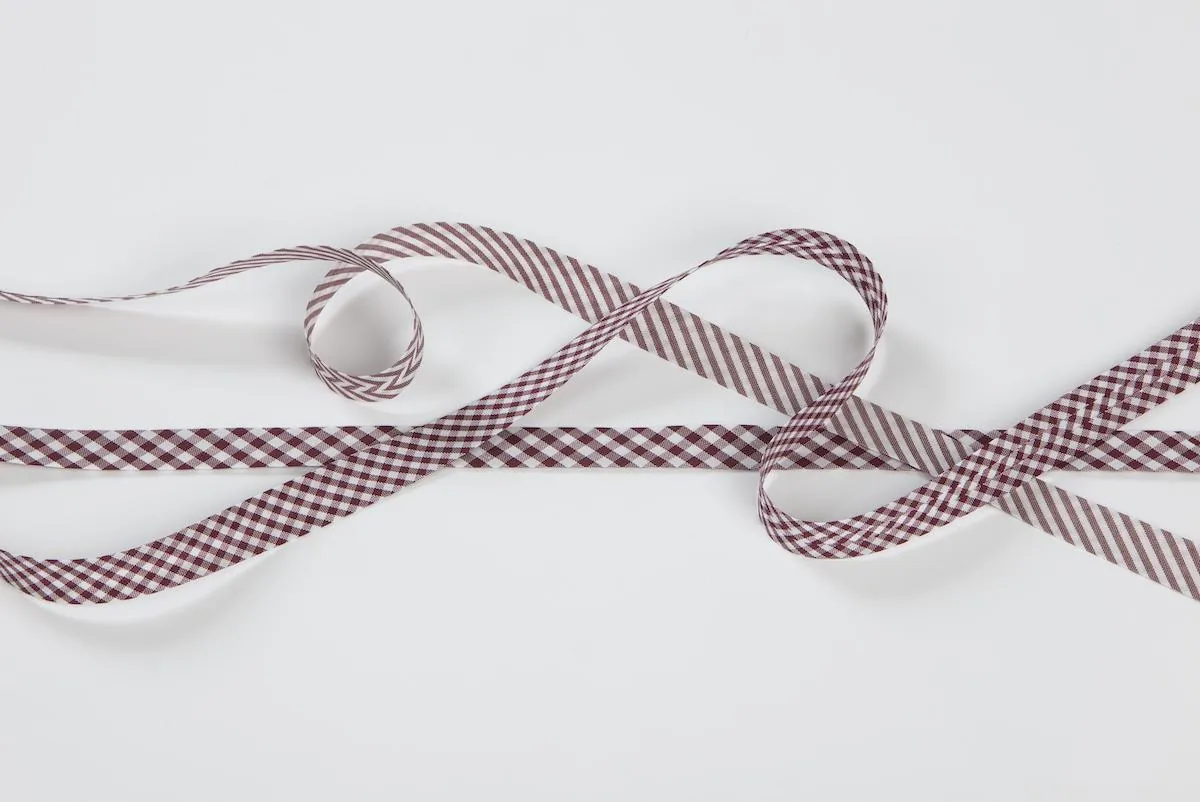
Gingham bias binding, in its checks, mini-checks and stripes versions, is a winner in 18 and 30 mm.
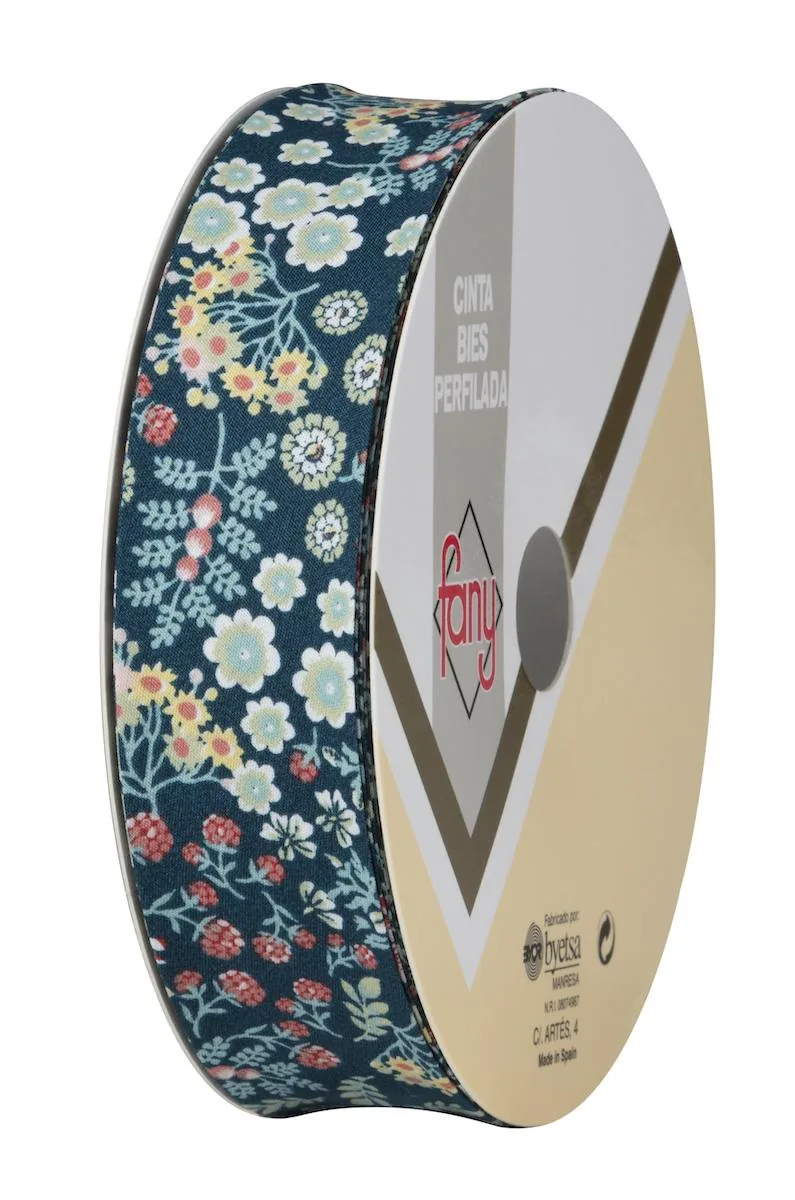
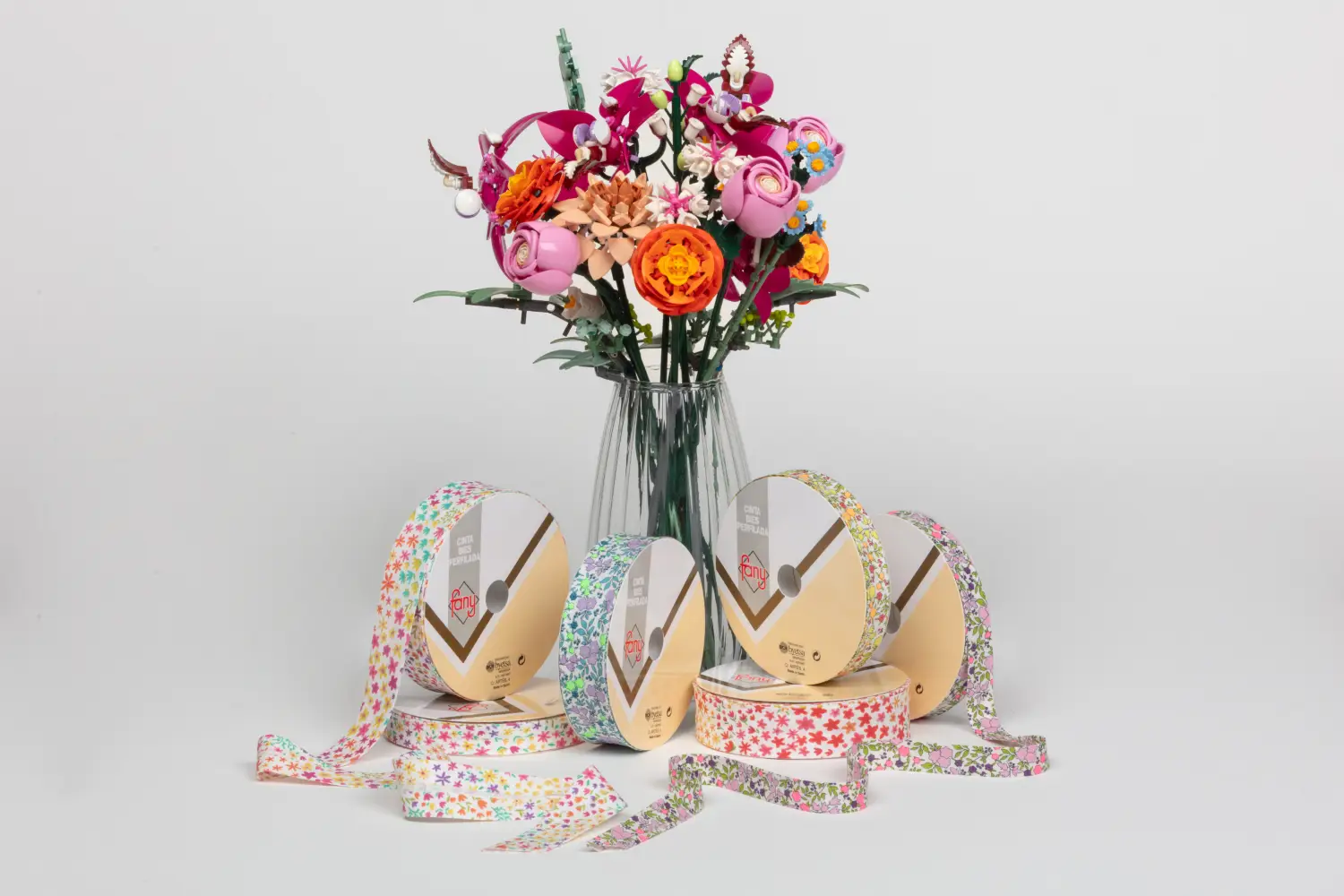
And printed bias binding, , with more than 250 variants, is recommended in 30 mm: its generous width lets the pattern be seen and shown off to the fullest, something especially valued in baby care and children’s décor.
Bias binding width for children’s clothing and childcare
Children’s clothing and accessories are one of the most common uses for bias binding, and also one of the most demanding when it comes to width. For bibs, sleeping bags, Moses baskets, baby clothes and accessories, the most common width is 12 mm, as it’s the finest, most discreet and most comfortable for delicate finishes that won’t irritate the skin.
However, when the goal is for a print—gingham checks, children’s motifs—to become the star of the garment, people opt for 25 or 30 mm widths, which give the design room to be appreciated. In these cases, pairing a wide printed bias binding with a plain fabric often delivers a very striking result with little effort.
Bias binding width for children’s clothing and childcare
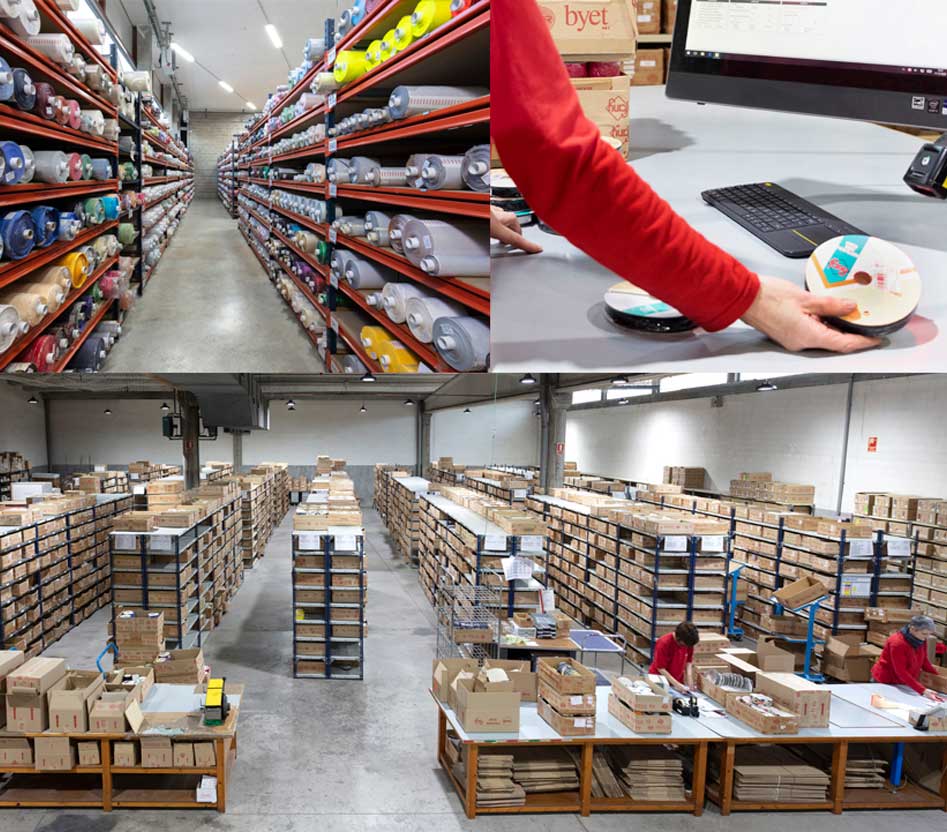
In addition to standard sizes, at Byetsa we manufacture custom bias binding, adapting the width to each customer’s specifications, from a minimum of 6 mm up to the full piece. It’s the recommended option when a fashion, craft or industrial project needs a size that isn’t among the usual widths, or when a large quantity is required with very tight tolerance.
Our cuts are studied down to the millimetre, which allows us to guarantee uniform width along the entire strip—an essential factor for a professional finish, especially in serial production. If you run a haberdashery and want to know which range of widths and colours is best to keep in stock for retail sales, you can consult our specific guide to bias binding for haberdashery.
Common mistakes when choosing bias binding width
- Choosing the width based on what’s in the drawer. Always using the same size instead of adapting it to the project is the most common cause of disproportionate finishes.
- Going too narrow on thick edges. A tape that’s too narrow won’t wrap the edge and will come loose or leave the edge exposed.
- Ignoring curves. On very curved edges, an excessive width makes it harder for the tape to adapt without puckering; it’s best to reduce the size slightly.
- Not thinking about the visual effect. If the tape is meant to be seen, a small width makes it look insignificant; if it’s meant to go unnoticed, a large one unintentionally makes it the focal point.
- Not requesting a sample for large orders. Before a volume purchase, it’s worth validating the width with a sample on the actual fabric.
Bias binding width in home décor
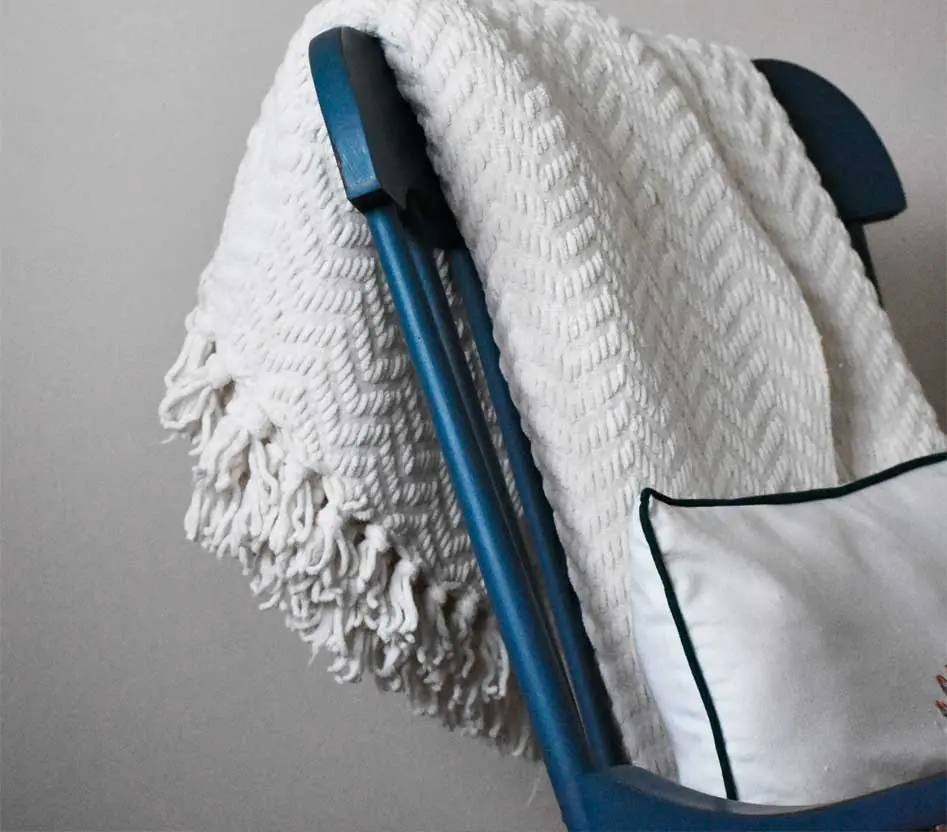
In home textiles, bias binding width takes on special importance because the pieces are large and the finish is visible from a distance. For curtains, quilts and bedspreads, 25 and 30 mm widths are the most suitable: they add presence, frame the piece and hold up better to use and washing. For cushions, tablecloths and table runners, 18 mm usually offers the best proportion, as it decorates without looking heavy. And for small items—napkins, pot holders, fabric bags—12 mm keeps the finish fine and elegant.
A common décor trick is to repeat the same bias binding, in the same width and colour, across several pieces in a room (cushions, curtain and doily, for example) to create a coordinated look. In that case, choosing an intermediate width like 18 or 25 mm makes it easier for the same tape to work well on pieces of different sizes.
How to calculate how much bias binding you need
Besides width, it’s worth estimating the length accurately so you don’t run short or buy too much. The basic rule is to measure the total perimeter of the edge you’re going to finish and add a 10–15% margin for folds, corners and joins between strips.
For projects with lots of curves or corners, it’s best to increase that margin, as the binding is used up a bit more as it adapts. If you’re finishing several identical pieces, calculate one and multiply; and if you’re working with a print, bear in mind you may want to match the pattern at the joins, which also increases consumption.
Frequently asked questions about bias binding widths
Need a specific width or a custom order? Email us at info@byetsa.es or call us on 93 874 40 98 and we’ll advise you on the best size for your project.
We make what you need
Looking for bias binding for your production or your haberdashery?
Frequently asked questions
01What bias binding widths are available?
The standard widths are 12, 18, 25 and 30 mm, which cover most projects. Custom sizes are also available. The best sellers are usually 18 mm, for its versatility, and 30 mm, for its visual presence.
02Which bias binding width should I choose for each project?
12 mm for children’s clothing and fine details; 18 mm for shirts, dresses and medium home textiles; 25 mm for curtains, tablecloths and bags; and 30 mm for outerwear or decorative finishes.
03What is the most commonly used bias binding width?
In plain colours, the most in-demand are 18 mm and 30 mm, followed by 12 and 25 mm, depending on whether you want a finish that blends into the fabric or one that stands out.
04Can bias binding be ordered to size?
Yes. In addition to standard widths, Byetsa manufactures custom bias binding, from a minimum of 6 mm up to the full piece, tailored to each customer’s specifications.
05Which bias binding width works best for children’s clothing?
The most common is 12 mm, as it’s fine and discreet—ideal for delicate finishes. When you want a print to stand out on children’s garments, 30 mm is used.
06How is the width of bias binding measured?
It’s measured on the tape once it’s folded and ready to sew, from edge to edge. It’s the catalogue size (12, 18, 25 or 30 mm) and it determines how much of the garment’s surface the finish will cover.
Related articles
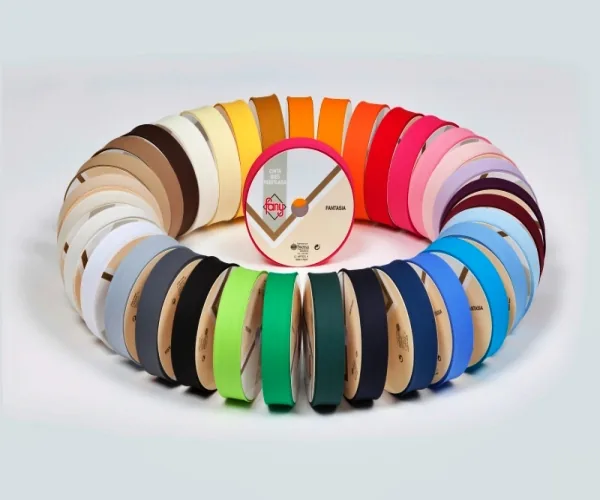
Types of bias tape available on today’s market
Types of bias binding by material: cotton, Batiste, satin, lamé, gingham, elastic and printed. Discover the characteristics of each and which to choose.
Read article
What is bias binding tape used for?
Bias binding tape is a strip of fabric cut at 45° that finishes, reinforces and decorates edges. Find out what it is, what it’s used for and its main uses by sector.
Read article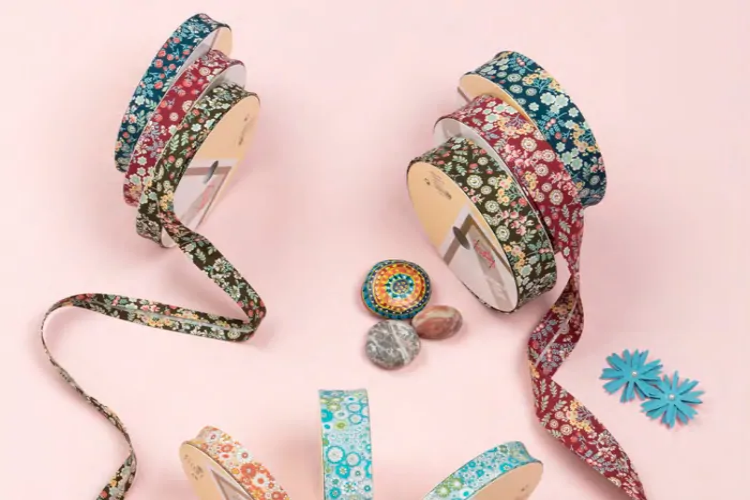
What is bias binding and what decorative uses does it have?
Bias binding is a strip of fabric cut on the diagonal that finishes and decorates edges. Discover what it is, what it means, and its decorative and creative uses.
Read articleDo you have a question about bias binding?
If you have any questions about our products or need personalised advice, please do not hesitate to contact our team. We are here to help you in any way we can. Write to us!
- Phone93 874 40 98
- Emailinfo@byetsa.es
- AddressC/ Artés, 4 · Pol. Ind. Els Dolors · 08243 Manresa (Barcelona)
Tell us what you need
We will reply with the right reference, format and width for your production.