What is bias binding and what decorative uses does it have?
Bias binding is a strip of fabric cut on the diagonal that finishes and decorates edges. Discover what it is, what it means, and its decorative and creative uses.
 By Francesco ZagnoniPublished on Updated on 8 min read
Quick answer
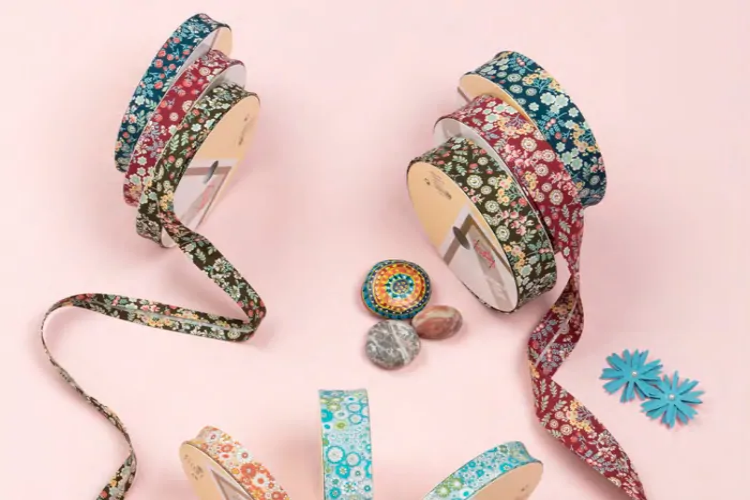
Bias is the diagonal direction of the fabric (at 45°) and, by extension, the strip cut that way to finish and decorate. In this guide you’ll see what it means, how it differs from the bias direction and piping, and the most creative ideas for using it in decoration, crafts, and gift wrapping.
Key points
- ‘Bias’ comes from the French biais, meaning ‘slant’ or ‘oblique’: a strip cut at 45° that adapts to straight lines and curves.
- Bias binding finishes edges flat; piping, or passepoil, has an inner cord and gives a raised finish.
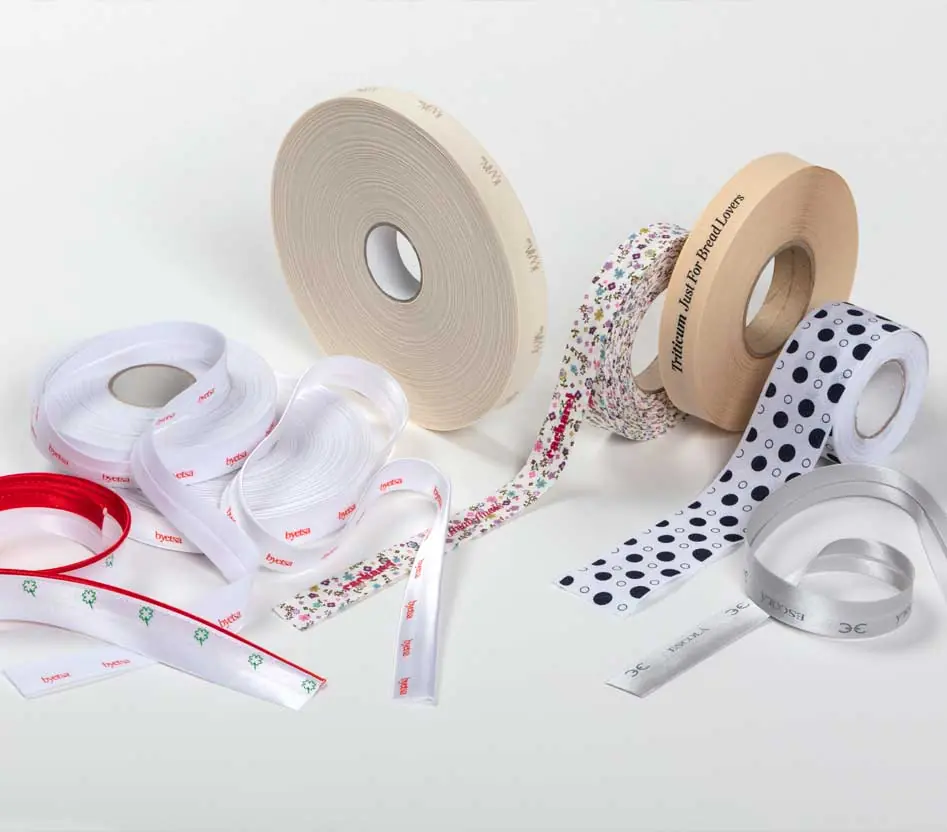
- Materials: cotton, cotton-polyester, satin, Vichy gingham and printed, elastic and lamé, each with its own use.
- Decorative uses: garments and accessories, curtains, cushions and tablecloths, crafts, events and gift wrapping.
- Material, width and colour determine the result; it is worth testing on an offcut before finishing the piece.
What is bias binding and what does it mean?
Bias is the diagonal direction of a fabric, at 45° to the grain; by extension, “bias” (or bias tape/bias binding) refers to the strip of fabric cut at that angle that’s used to finish and decorate the edges of a garment. The term comes from the French biais, which means “slant” or “oblique”.
That diagonal cut is what sets bias binding apart from ordinary tape: because it doesn’t follow the grainline, the strip gains elasticity and adapts easily to both straight edges and curves, without wrinkling or pulling. That’s why it’s been a sewing staple for over a century.
But bias binding doesn’t serve only a technical purpose: thanks to its huge variety of colours, prints, and materials, it has also become a decorative resource for finishing, personalising, and adding a distinctive touch to garments, accessories, and all kinds of items. In this article we’ll look at what it is exactly, how it differs from other finishes, and the most creative ideas for making the most of it.
Difference between bias binding, bias, and piping
The three terms are related, but they don’t mean the same thing:
- Bias binding is the strip of fabric cut on the diagonal, ready to finish or decorate an edge.
- Bias is that same diagonal direction of the fabric; in fact, “sewing on the bias” and “sewing on the slant” are equivalent expressions.
- Piping (or passepoil) is a finish that’s also cut on the bias, but it has a cord inside that protrudes, creating a raised decorative edge.
In short: all piping is cut on the bias, but not all bias binding is piping. Bias binding lies flat; piping is raised.
Types of bias binding by material
Although they all share the diagonal cut, each bias binding is made in a different material depending on its use:
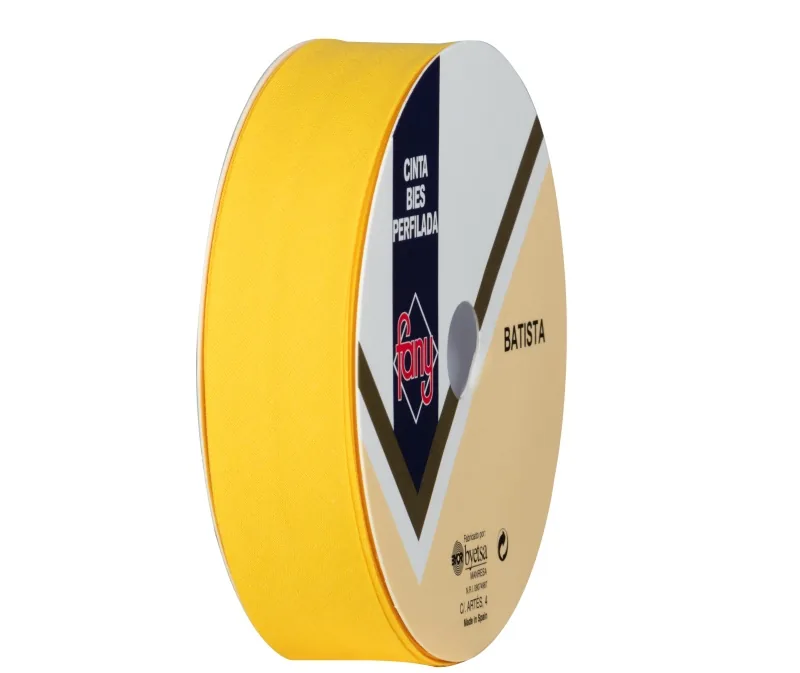
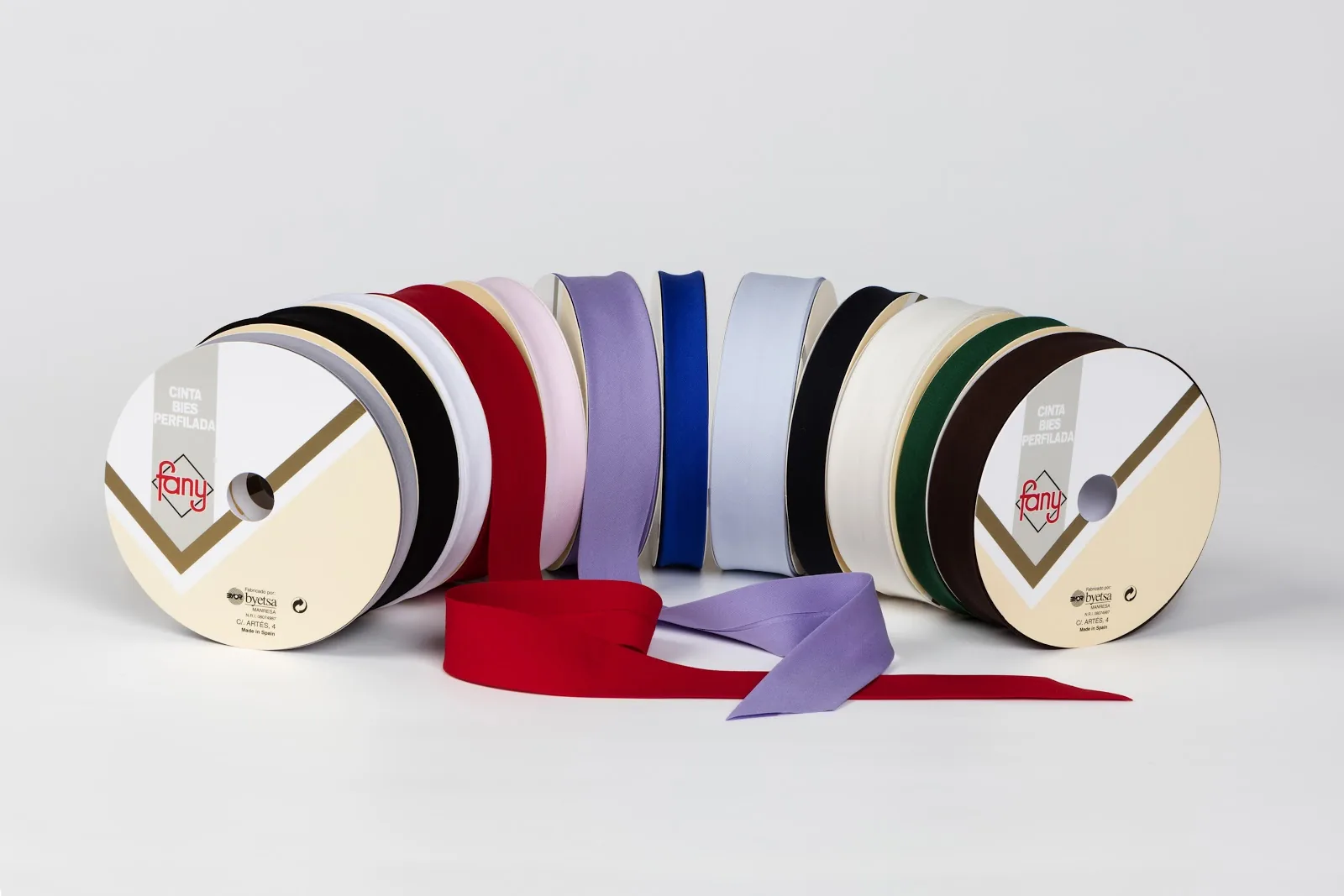
- Cotton bias binding: the most versatile, for garment making and everyday finishes.
- Cotton-polyester bias binding: more durable and less prone to creasing.
- Satin bias binding: shine and drape for fashion and haute couture.
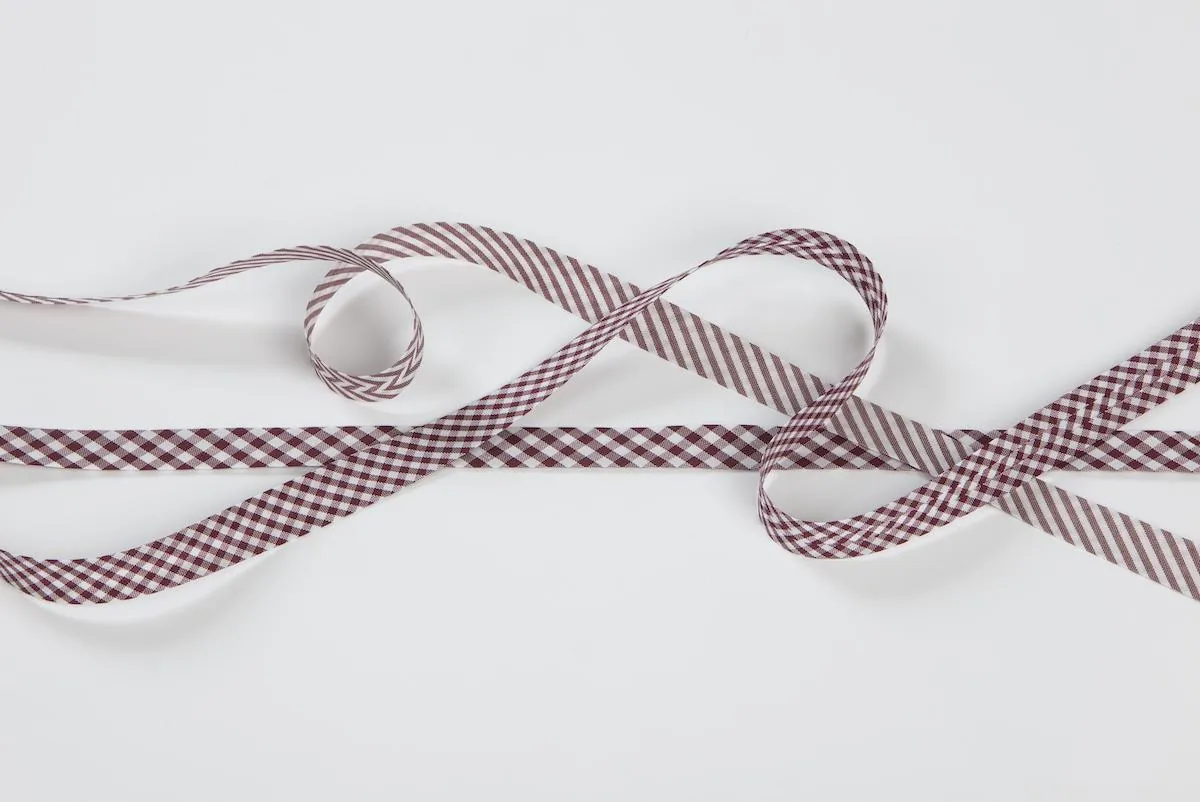
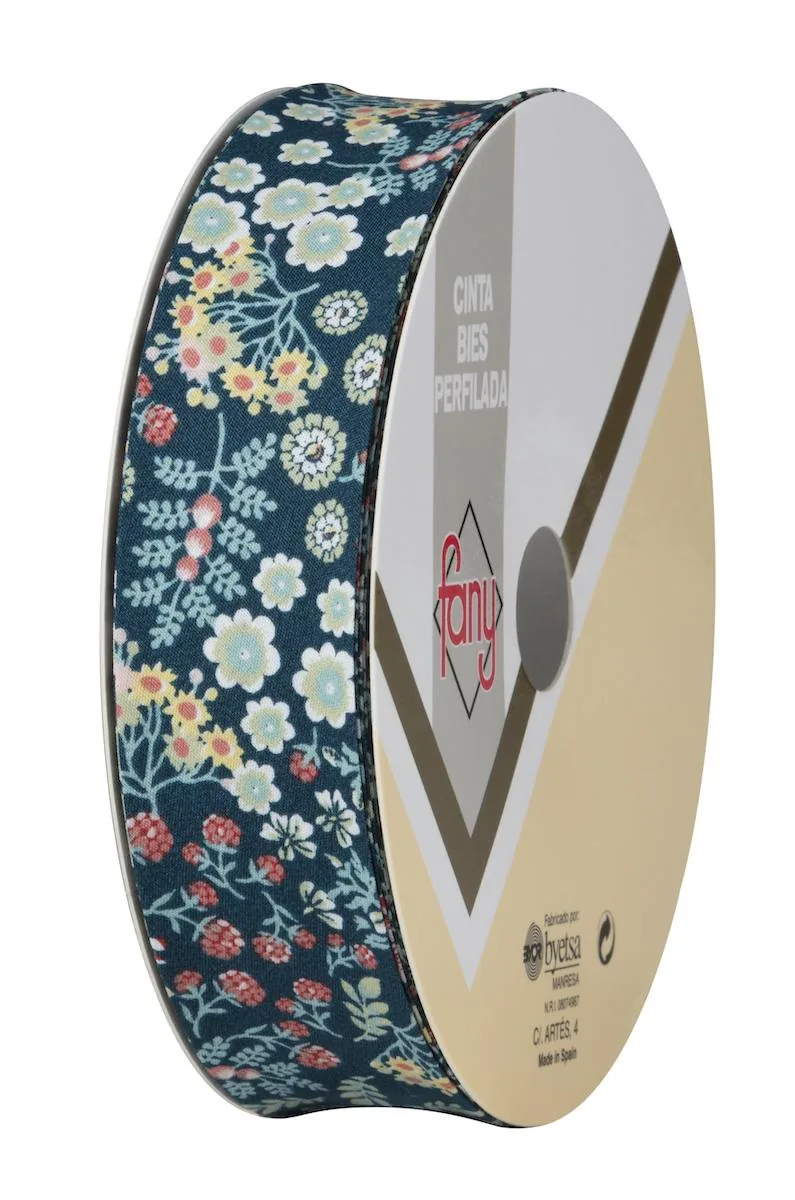
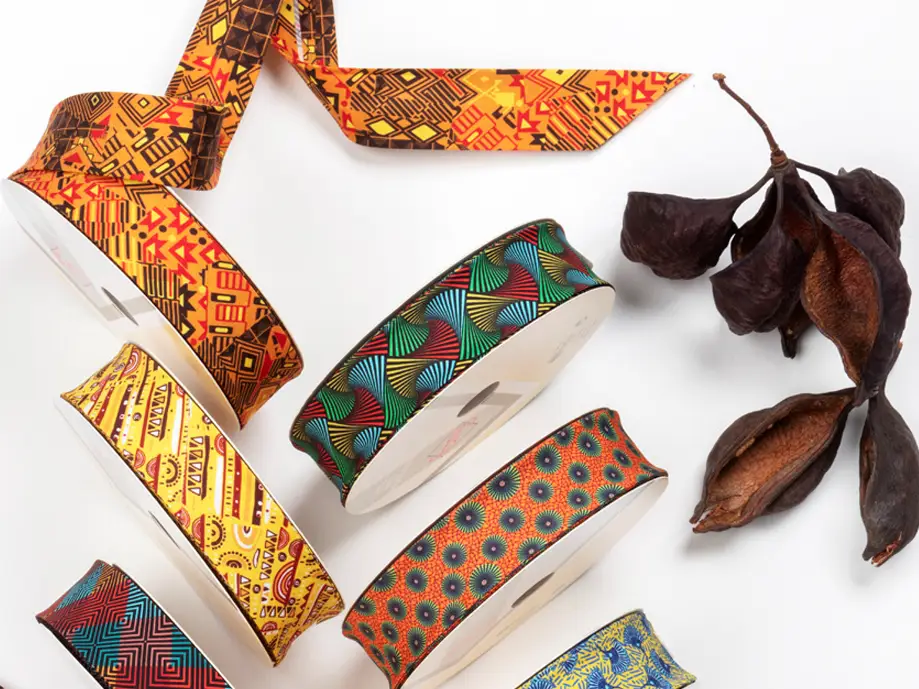
- Gingham and printed bias binding: the most decorative, widely used in baby products and home textiles.
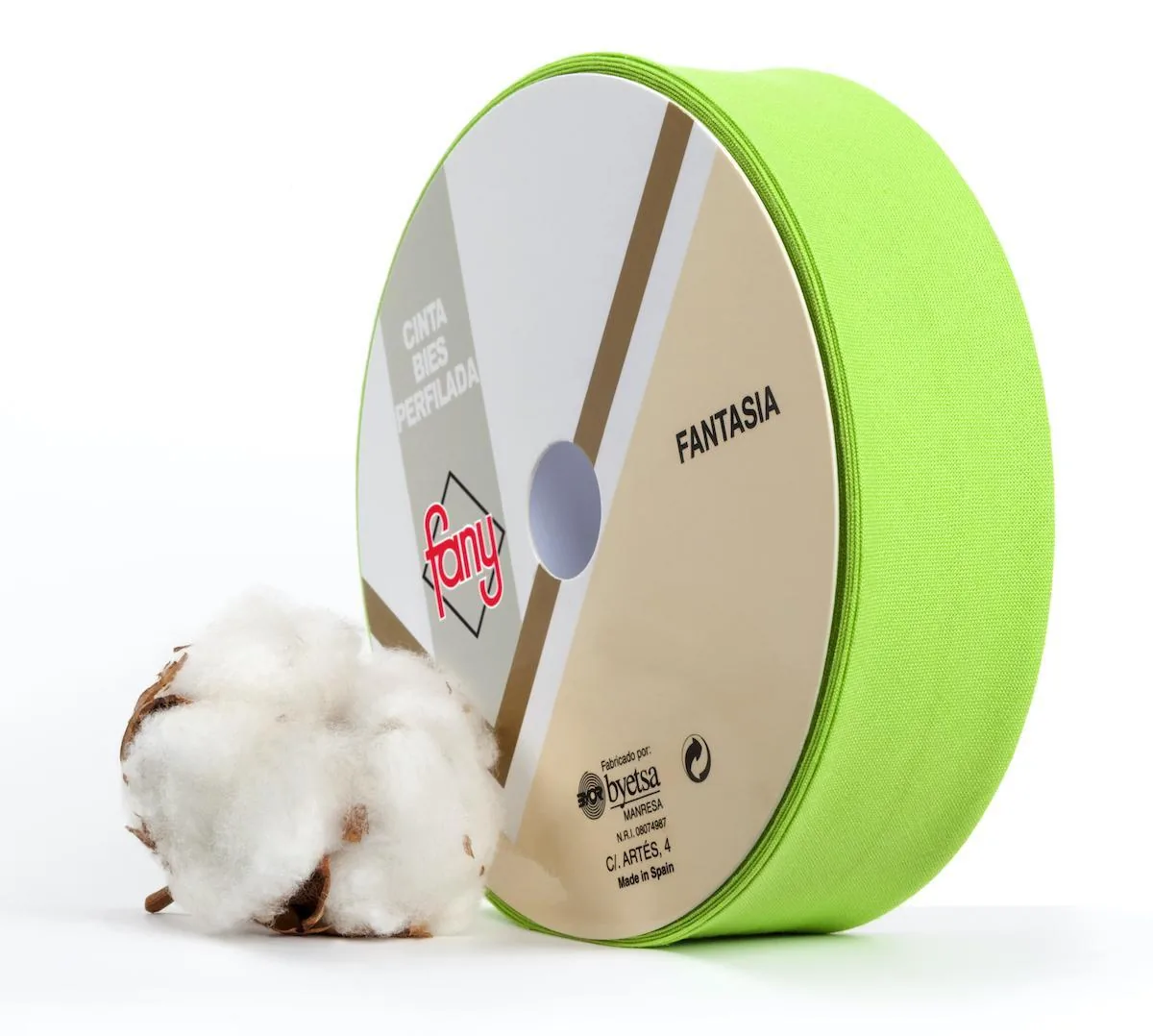
- Stretch bias binding: for garments that need give.
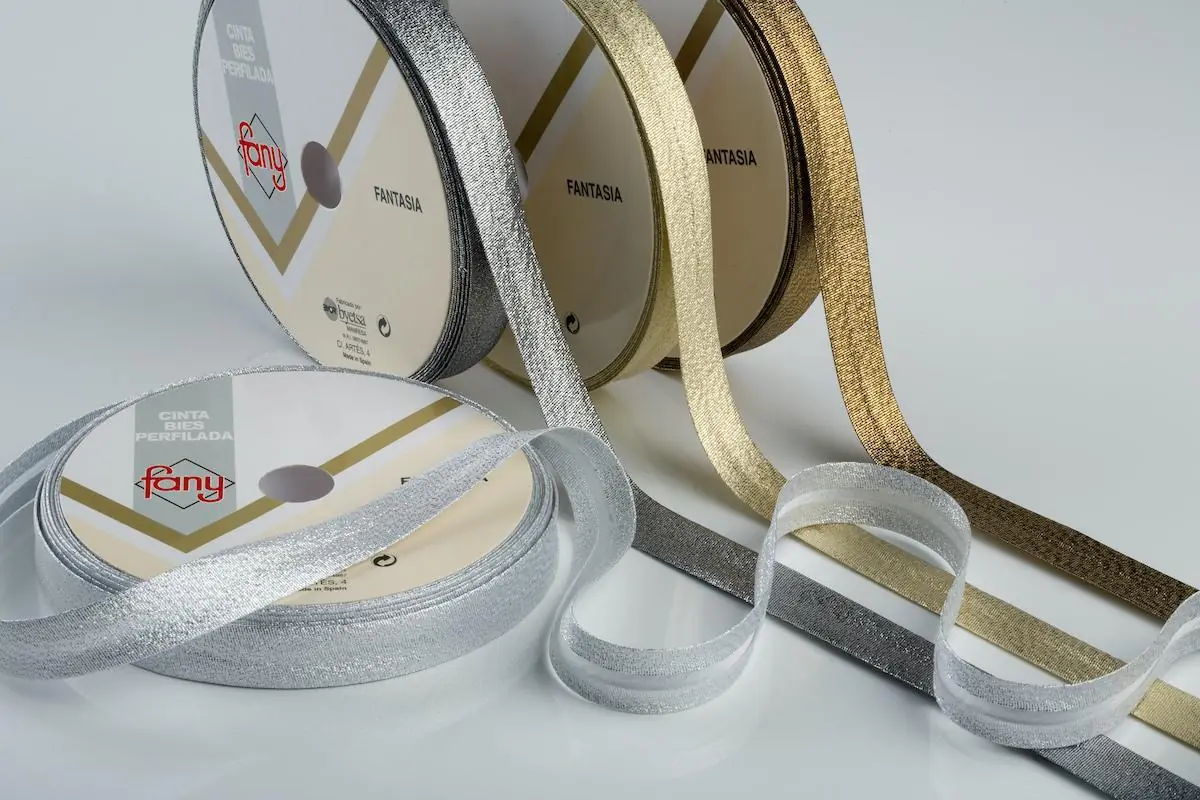
- Lamé bias binding: a metallic finish for special details.
Decorative and creative uses of bias binding
Beyond its role as a finish, bias binding has earned its place as a decorative element in its own right. Its variety of colours, widths and prints makes it possible to turn a simple edge into a design detail. These are some of the most common—and most inspiring—ways to make the most of it.
Ideas for decorating and personalising garments and accessories
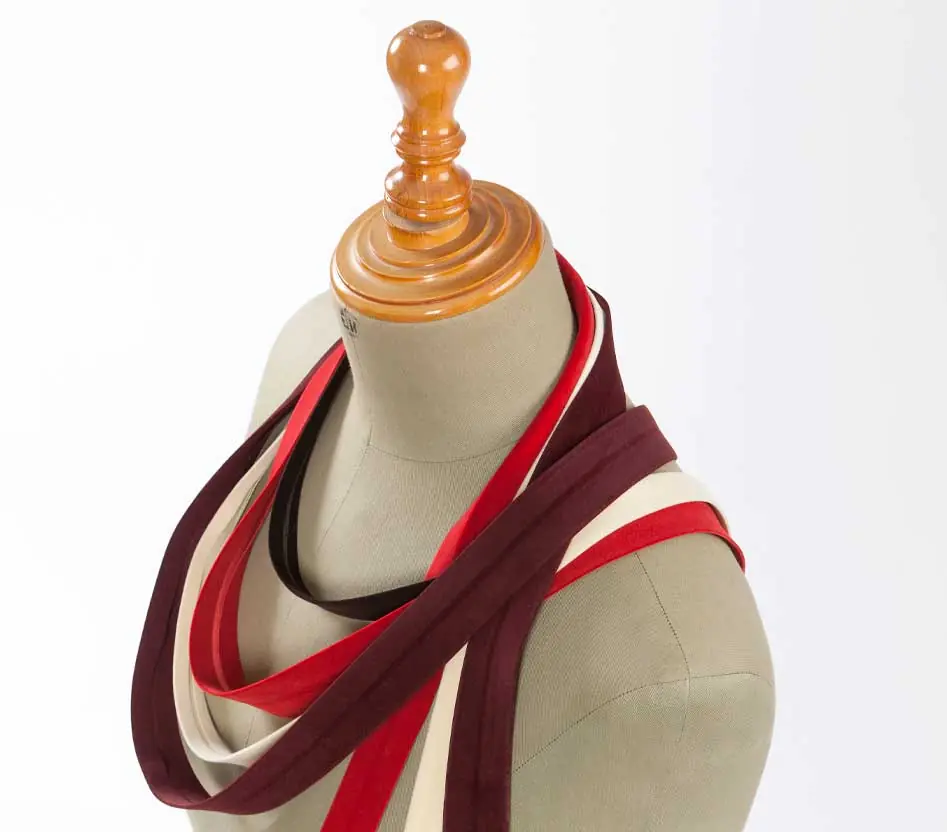
The most common use is finishing necklines, cuffs, hems, and collars with a contrasting-colour bias binding, which gives a clean finish and, at the same time, a pop of colour.
It’s also used to create decorative piping and edging on pockets, lapels, or visible seams. It’s a perfect way to personalise T-shirts, dresses, aprons, or school smocks, and to add a distinctive touch to bags, backpacks, and coin purses. Pairing a printed bias binding with a plain fabric, or playing with gingham on children’s fabrics, makes it easy to achieve original results with very little material.
Bias tape in home décor
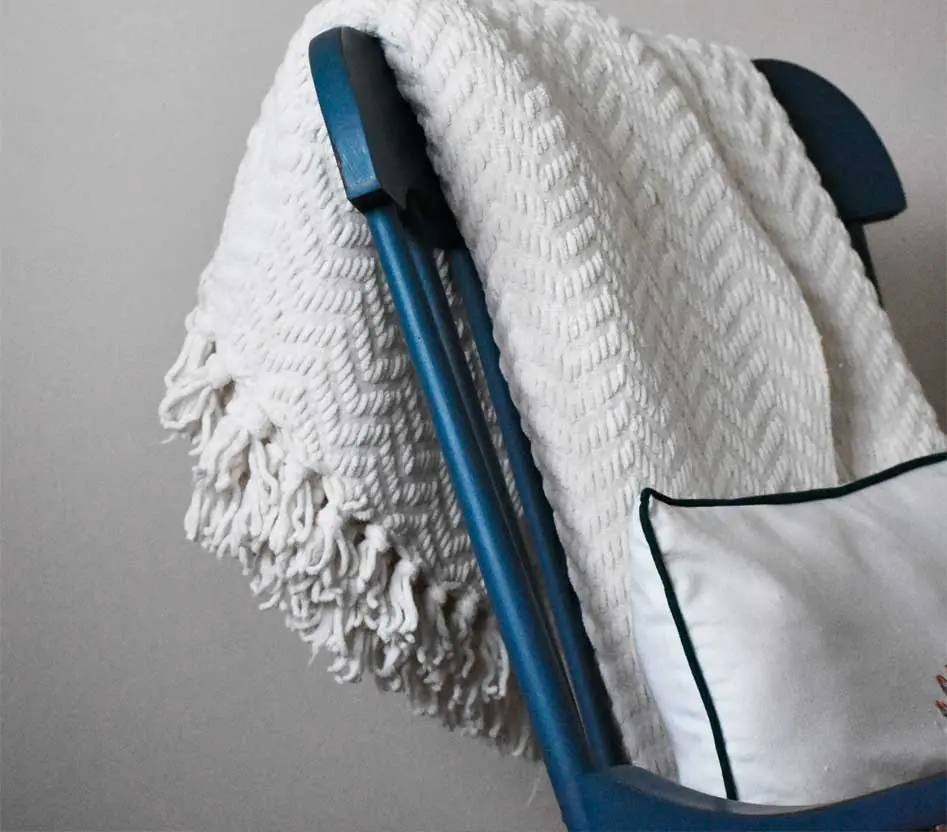
In home textiles, bias binding is ideal for edging and decorating curtains, cushions, tablecloths, napkins, and covers, bringing different pieces together with the same colour palette.
It’s also useful for personalising baskets, textile organisers, and toiletry bags, or for finishing quilts, throws, and children’s blankets with a durable, beautiful edge. In the kitchen, it adds a coordinated touch to potholders, aprons, and tea towels. By choosing a printed or gingham bias binding, it’s easy to create colour cohesion between different elements in the same room.
Crafts and creative projects with bias binding
Because it’s so easy to use, bias binding is a staple in the world of crafts and DIY. It’s used in scrapbooking and bookbinding, for making garlands and bunting for parties, and in small accessories such as headbands, bows, fabric brooches, or keyrings.
It’s a very forgiving material for beginners, because it doesn’t fray and is easy to handle, and it’s a great way to use up fabric scraps. In event and wedding décor, details finished with bias binding add a handmade feel that’s highly valued.
Gift wrapping and creative packaging
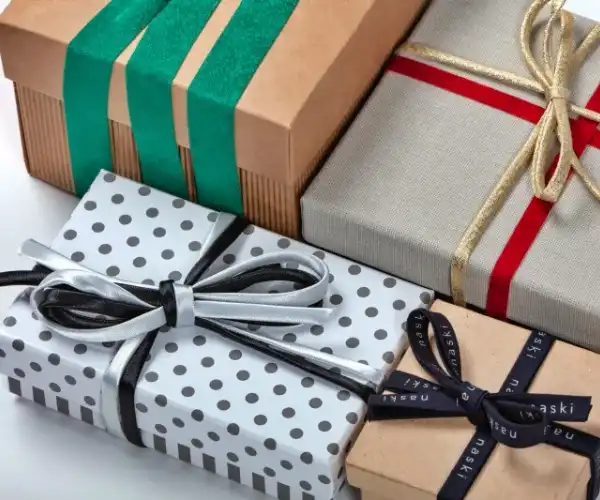
More and more brands and hobbyists are replacing conventional ribbons with printed bias tape to wrap gifts and create carefully presented packages. It’s used to make bows, closures, and hanging tags, and to give a premium, distinctive finish to boxes and cases. Because it’s a textile material, it’s more durable and reusable than many paper ribbons, and it helps maintain brand consistency in handcrafted packaging for small businesses.
Which bias binding to choose for each decorative project
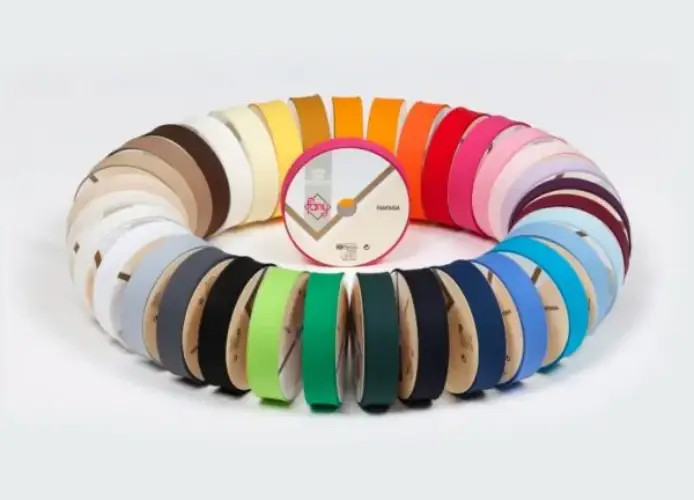
Choosing the right bias binding makes the difference between an ordinary finish and one that really stands out, and it depends on three factors: material, width, and colour.
As for material, satin adds shine and elegant drape, ideal for fashion, accessories, and special details; gingham and prints are the favourite option for children’s projects, baby products, and home textiles, because they add colour and personality; cotton is the most versatile and easiest to sew, perfect for everyday use and for beginners; and stretch is reserved for garments or pieces that need to give and move. For very specific details—a label, a party decoration, or special wrapping—a lamé bias binding with a metallic finish can be the differentiating touch.
Width also communicates: narrow widths are discreet and elegant for fine finishes, while wider ones work as the main decorative feature, especially in home décor and packaging.
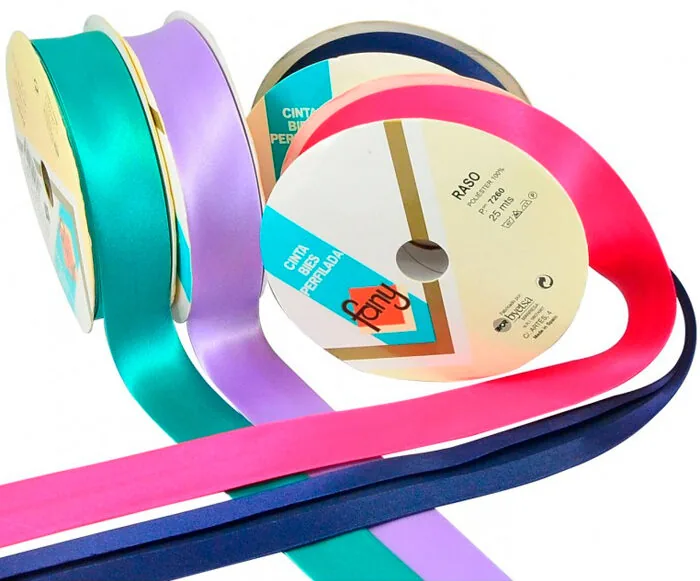
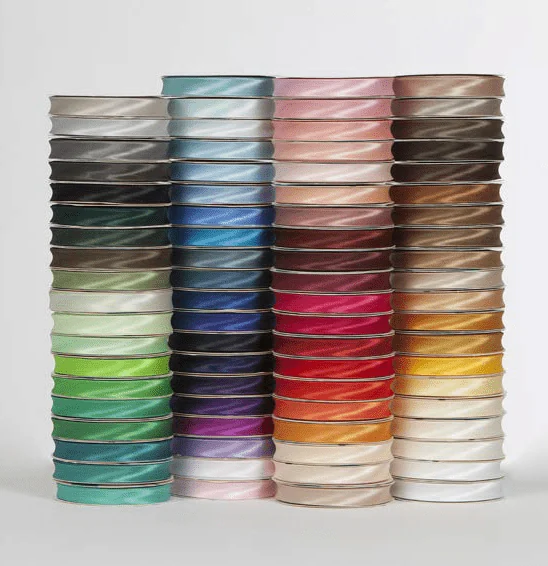
And colour is the most creative decision of all: a contrasting shade turns the edge into the centre of attention and defines the piece’s silhouette, while a colour that matches the fabric aims for a more understated, sophisticated finish. Pairing a print with a plain, or repeating the same bias binding across several pieces, helps create visual cohesion across a whole collection or a room. When in doubt, it’s always best to test with a scrap before finishing the final project.
Find the bias tape you need at Byetsa
With the principles that underpin the production and application of bias tape in mind, at Byetsa we have set ourselves the goal of progressively improving the quality and the options within our catalogue.
In addition, product quality would be meaningless without excellent customer service, so our experts are standing by to handle your requests professionally. Our customers are our priority.
Contact us now by calling 93.874.40.98 or writing to info@byetsa.es. You can also fill in the form below and we’ll call you back shortly. It’s that simple!
We make what you need
Looking for bias binding for your production or your haberdashery?
Frequently asked questions
01What is decorative bias binding?
Decorative bias binding is bias tape used for an aesthetic purpose, not just a functional one: instead of simply finishing an edge, it’s used to add colour, contrast, or a design detail. It’s usually made of satin, gingham, or printed fabric, and it’s applied to garments, accessories, home textiles, or crafts. It still protects the raw edge, but with the focus on enhancing the piece.
02What is bias binding used for in decoration?
In decoration, bias binding is used to edge, personalise, and add colour to all kinds of items. It’s used to finish curtains, cushions, tablecloths, and quilts; to personalise garments, bags, and accessories; and to give a handmade finish to crafts, gift wrapping, and event details. Its wide variety of prints and colours makes it easy to create visual cohesion between different elements—or turn a simple edge into a design feature.
03How do you decorate a garment with bias tape?
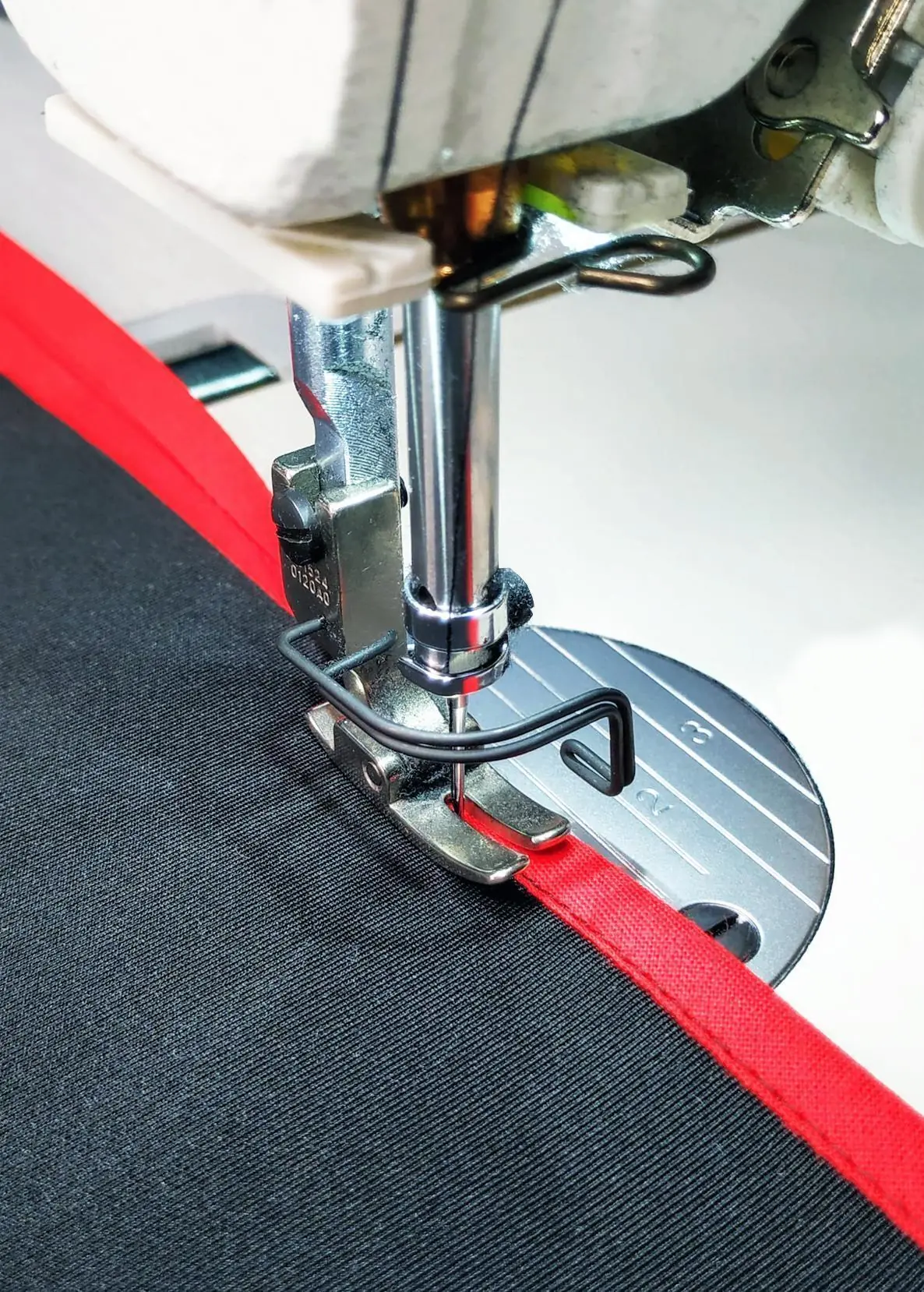
To decorate a garment, bias binding is sewn onto the edge or seam you want to highlight, enclosing the raw edge of the fabric and leaving the tape visible. Most commonly, a contrasting colour is chosen for necklines, cuffs, hems, or pockets. Simply pin the tape in place, fold it over the edge, and topstitch. It’s a simple technique—ideal even for beginners—that turns a basic garment into a personalised one.
04What type of bias binding works best for crafts?
For crafts, the easiest bias bindings to work with are cotton ones and printed or gingham ones, because they’re easy to handle, don’t fray, and add colour. Cotton is easy to sew and glue; prints and gingham give a casual feel to garlands, headbands, fabric brooches, or scrapbooking; and satin or lamé are best saved for more eye-catching details. As it’s an affordable material, it’s perfect for using up scraps and experimenting at no cost.
05Can bias tape be used to wrap gifts?
Yes—bias tape is a great alternative to conventional ribbons for wrapping gifts. You can use it to make bows, closures, and hanging tags, and it adds a premium, handmade finish to boxes and cases. Because it’s textile, it’s more durable and reusable than many paper ribbons, and printed designs help keep a consistent look in the packaging for a small business or a celebration.
06Where does the word bias binding come from?
The word “bias” comes from the French biais, meaning “slant” or “oblique”, and refers to the diagonal cut in relation to the fabric grain. That’s why “cut on the bias” and “cut on the slant” are equivalent expressions. This origin explains the essence of the product: a strip whose main feature is precisely that it runs diagonally, giving it elasticity and the ability to adapt to curves.
Related articles
What is bias binding tape used for?
Bias binding tape is a strip of fabric cut at 45° that finishes, reinforces and decorates edges. Find out what it is, what it’s used for and its main uses by sector.
Read article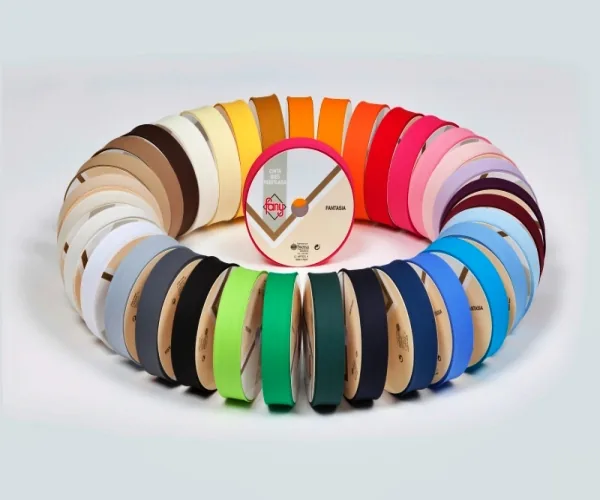
Types of bias tape available on today’s market
Types of bias binding by material: cotton, Batiste, satin, lamé, gingham, elastic and printed. Discover the characteristics of each and which to choose.
Read article
What is bias cutting, and how do we do it at Byetsa?
Bias cutting involves cutting fabric at a 45° angle to the grain to give it elasticity and drape. Discover what it is, what it's for, and how to cut it step by step.
Read articleDo you have a question about bias binding?
If you have any questions about our products or need personalised advice, please do not hesitate to contact our team. We are here to help you in any way we can. Write to us!
- Phone93 874 40 98
- Emailinfo@byetsa.es
- AddressC/ Artés, 4 · Pol. Ind. Els Dolors · 08243 Manresa (Barcelona)
Tell us what you need
We will reply with the right reference, format and width for your production.