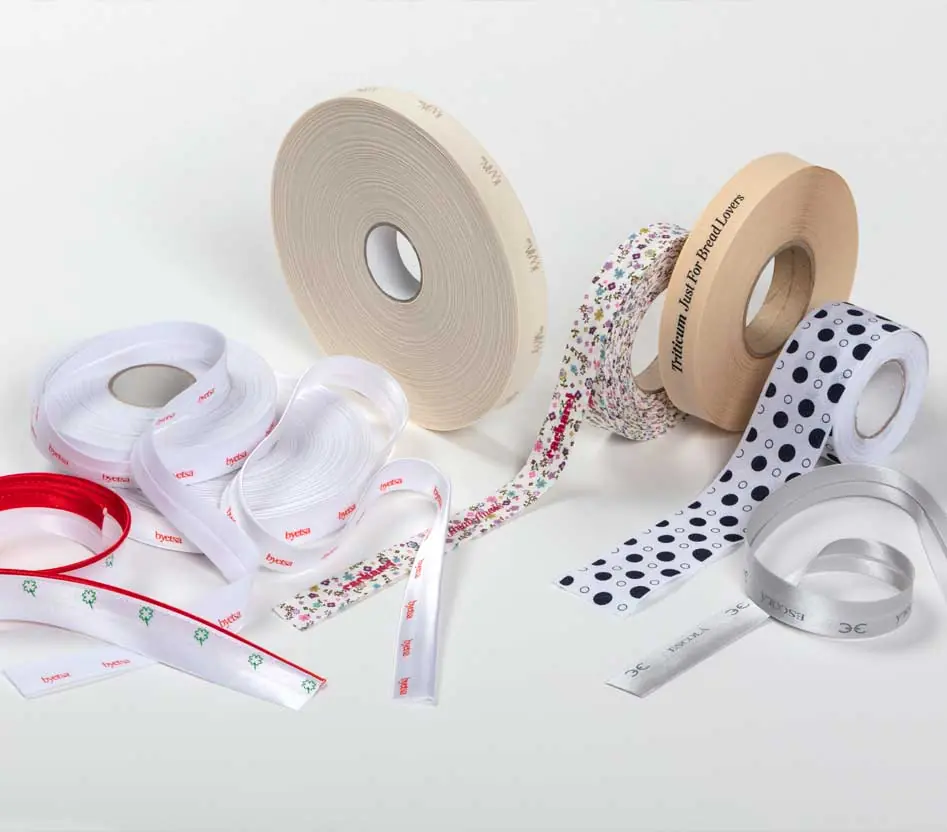
How to sew bias tape the right way
How to sew bias tape. Join the DIY fashion trend with bias tape and recommendations from Byetsa.
 By Francesco ZagnoniPublished on Updated on 4 min read

Quick answer
To sew bias binding, unfold it and place its right side against the right side of the fabric, secure it with pins and tacking, stitch along the first fold without stretching it, trim the allowance to about 5 mm, turn the bias binding to the wrong side and sew close to the edge.
Key points
- Bias binding is cut diagonally to the fabric, which gives it the flexibility to handle curves and corners without wrinkles.
- Place the unfolded bias binding right sides together on the edge; secure it with pins and tack it before sewing.
- Stitch along the first fold without stretching the binding and trim the seam allowances to about 5 millimetres.
- At corners, fold the binding diagonally, form a triangular tab and stop before the seam allowance.
- Byetsa sells through Fany, for haberdashery in small formats, and Byor, for large-format industrial pieces.
Tips and recommendations for sewing bias binding
How to sew bias tape properly is an art. Whether you are a beginner or an expert in the world of sewing, there are finishes that are essential to know. One example is knowing how to sew bias tape, as this is one of the basics of a perfect garment.
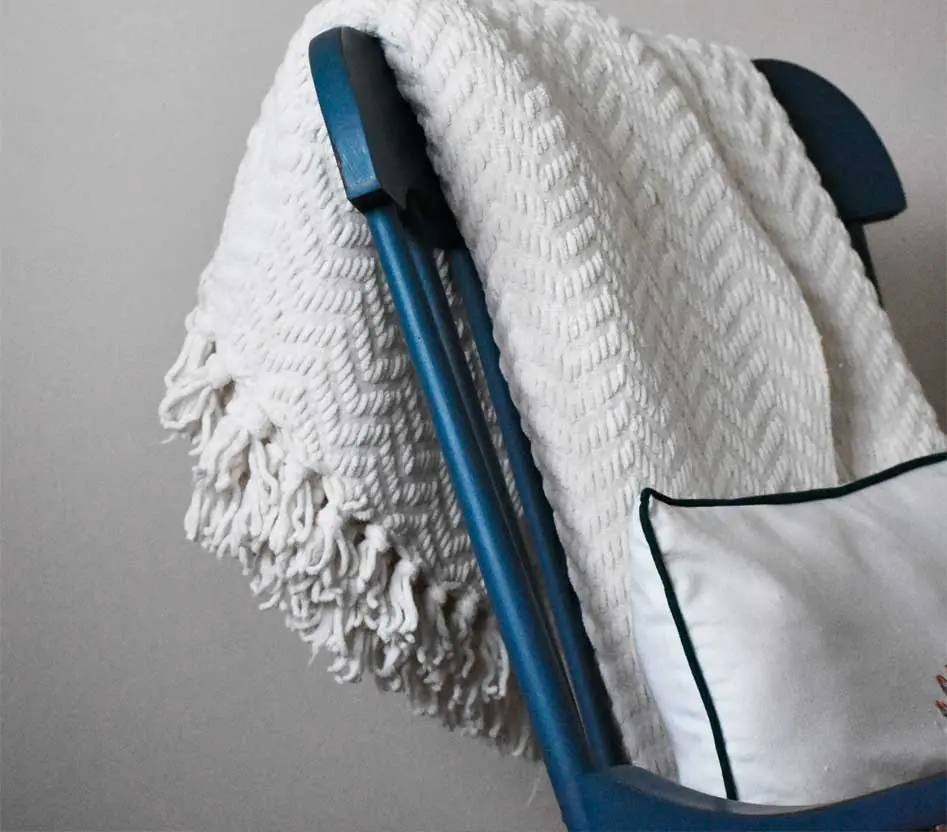
Learning this technique will be very useful for finishing both garments and other designs. You can use it on clothes, bags, duvets and even tablecloths. The possibilities are endless.
In addition to an ideal finish, bias tape is a detail that will catch the eye thanks to its decorative character. In this guide, you will learn how to sew it on your own without any problems. You will love the result.
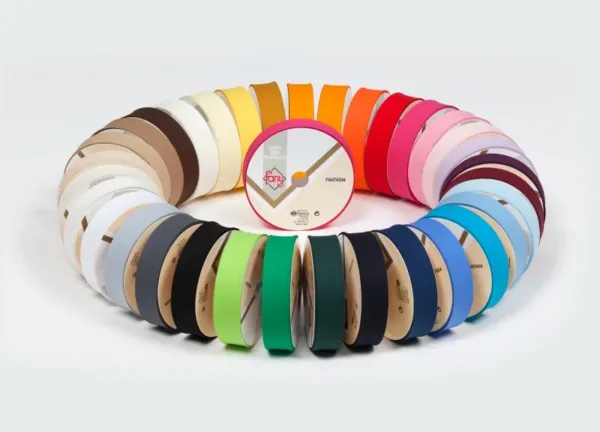
Our bias bindings
How to sew bias tape: a sewing basic
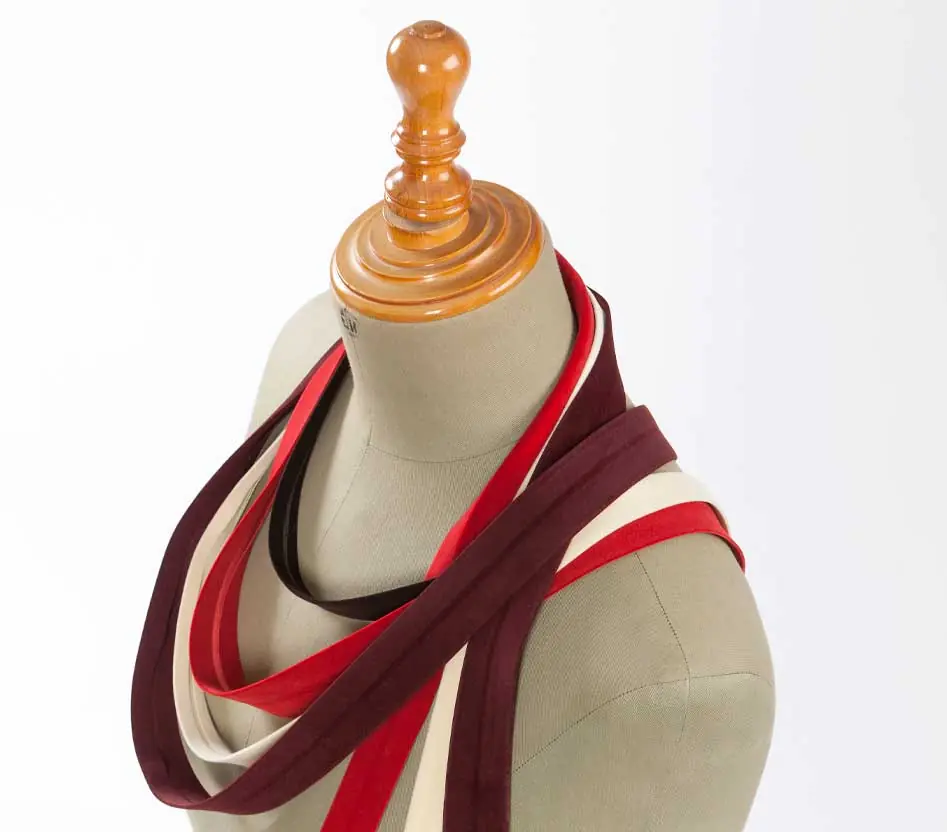
Bias tape is an essential component in the sewing world due to its versatility and functionality.
This type of tape is characterised by being cut diagonally to the original fabric, which gives it superior elasticity and flexibility, especially compared to tapes cut parallel to the weft of the fabric.
This flexibility is crucial when working with curved edges or corners, allowing the tape to fit smoothly without creasing.
Visually, bias tape is easily recognisable by its edges, which are carefully folded inwards. This fold helps prevent the fabric from fraying and provides a neat, professional finish to any sewing project.
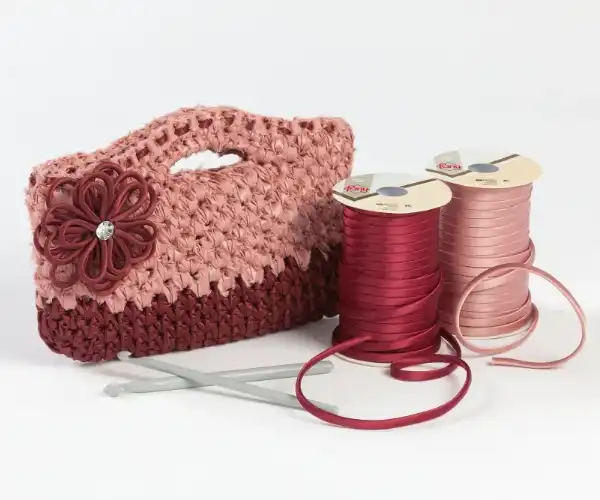
In practice, bias tape is indispensable for a variety of sewing applications. It is commonly used to finish the hems of garments, providing a neat and durable finish.
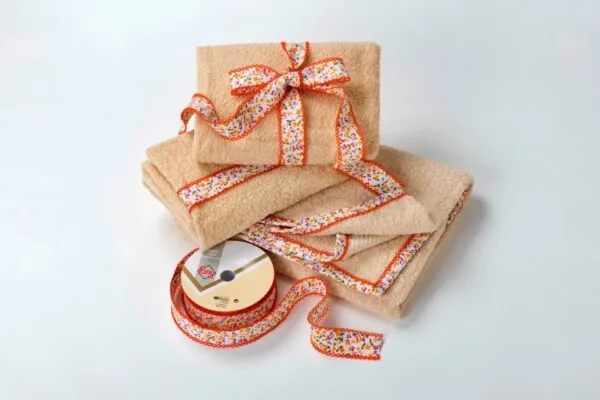
It is also ideal for neatening seams and edges on numerous projects, from clothing to accessories such as bags and quilts. Its ability to add a decorative touch while reinforcing fabric structures makes it a popular choice among seamstresses and designers.
How to sew bias binding, step by step
Now that you know a little more about this type of tape, it’s time to learn how to sew it correctly. First, you will need a wide or narrow bias tape, depending on your needs.
The next thing you need to do is unfold the bias tape and place it along the edge you want to finish. At this point, it is important to place the right side of the fabric against the right side of the bias tape. To hold it in place, use pins and tack it.
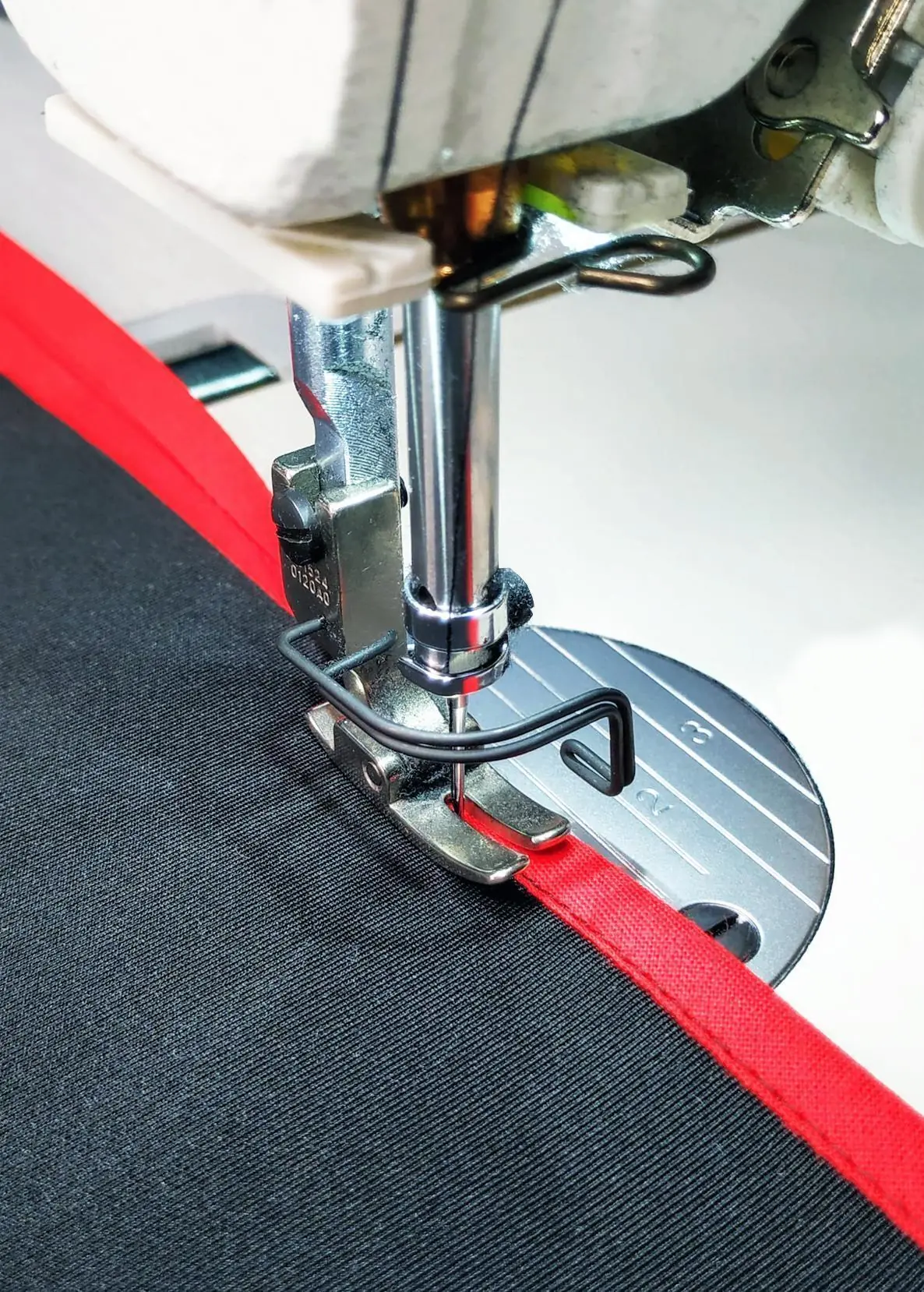
Once you are sure that the tape is properly positioned, you can remove the pins and machine stitch along the first fold of the bias tape. It is important not to stretch the piece too much while sewing. Then, remove the tacking threads and trim the seam allowances to about 5 millimetres. Now, turn the bias tape over to the back of the garment, tack it again and sew close to the edge.
How to sew bias tape around a corner
As you can see, knowing how to sew bias tape is simple and will help you raise the quality of your creations. However, if you want to be a true professional, you should also know how to sew bias tape around corners.
To do this, sew the tape as normal but, before you reach the corner, fold the tape to create a diagonal, with the edge of the tape aligned with the edge of the fabric.
Then fold the tape back again. You will see a triangular tab that you can lift and fold to the other side. Once it is folded, keep stitching and stop before you reach the seam allowance at the corner.
Now, fold the tab back to the opposite side and repeat. Once the tape is well placed, all you have to do is finish stitching along the whole edge.
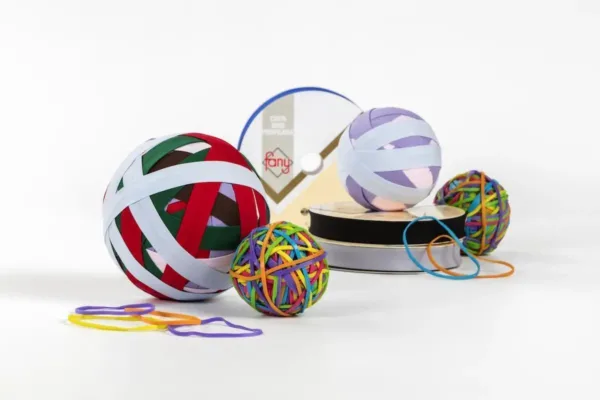
Find the bias tapes you need at Byetsa
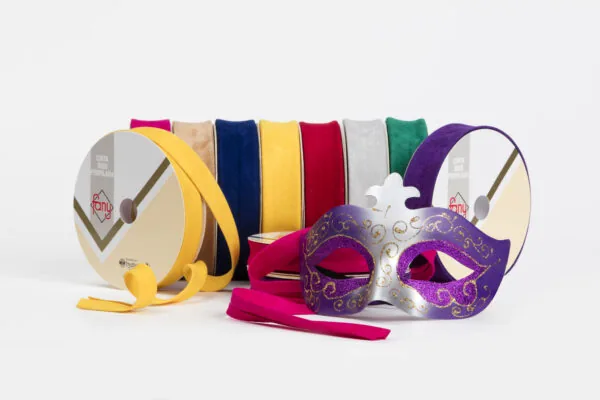
In short, sewing bias tape on your own is much simpler than it may seem. If you need all kinds of different tapes, in the Byetsa catalogue you will find the ones you need.
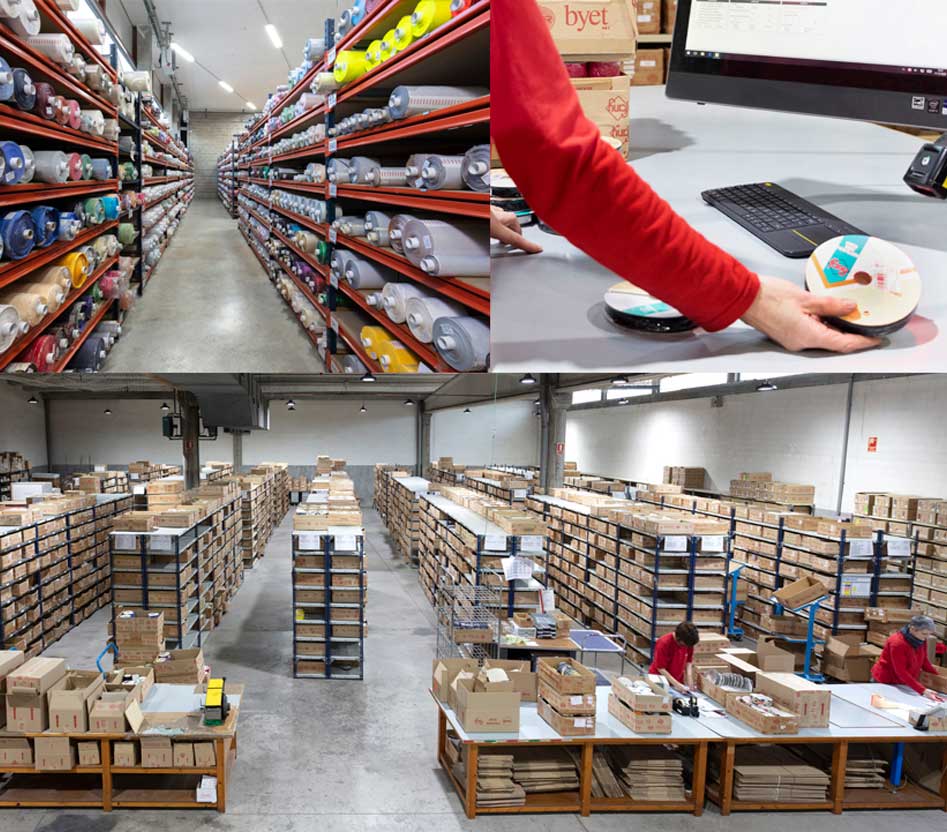
We are a company specialising in the sale of bias tapes for the industrial sector and haberdashery, with two product lines: Fany and Byor.
The Fany line specialises in small-format haberdashery products, while the Byor line is for large-format industrial pieces.
This way, once you know how to sew bias tape professionally, you can buy the tapes you choose from our wide variety of items. If you require any clarification about this, please contact Byetsa by filling in the contact form provided.
We make what you need
Looking for bias binding for your production or your haberdashery?
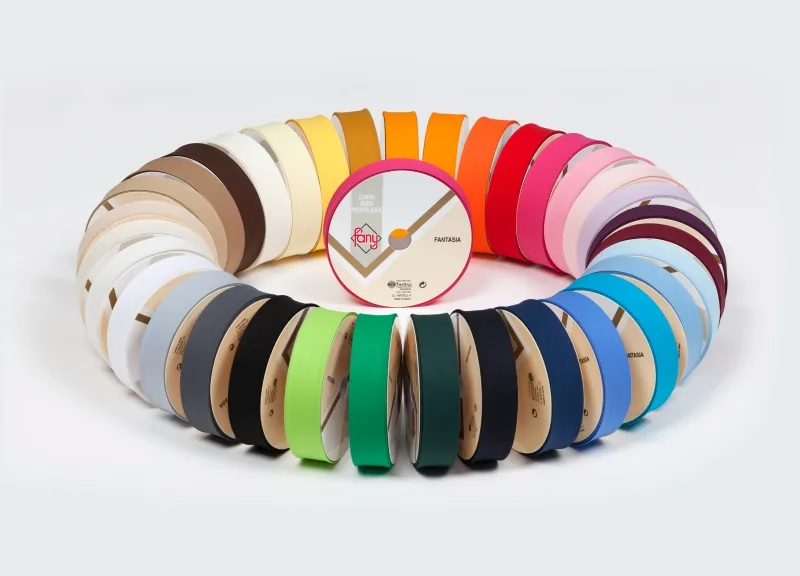
Frequently asked questions
01Why does bias binding adapt to curves better than other tapes?
Because it is cut diagonally to the original fabric, which gives it more stretch and flexibility than tapes cut parallel to the weft. Thanks to this, it fits curved edges and corners without wrinkling. In addition, its edges folded inwards stop the fabric from fraying and leave a clean finish.
02How do you secure bias binding before machine sewing it?
Unfold the bias binding and place it on the edge you want to finish, with the right side of the fabric facing the right side of the binding. Secure it with pins and then tack it. Once you have checked that the binding is correctly positioned, remove the pins and machine stitch along the first fold of the bias binding, without stretching the piece too much.
03What seam allowance should you leave when sewing bias binding?
After the first line of stitching, remove the tacking and trim the seam allowances to about 5 millimetres. Next, turn the bias binding to the wrong side of the garment, tack it again and sew close to the edge. This trimming helps the binding wrap the edge cleanly and leaves the finish flat.
04How do you sew bias binding round a corner without it wrinkling?
Sew the binding as normal and, before reaching the corner, fold it to create a diagonal with its edge aligned with the edge of the fabric. Fold it back again: a triangular tab will form. Carry on stitching and stop before the seam allowance at the corner; fold the tab to the opposite side and finish sewing the edge.
05Which types of bias binding does Byetsa offer for sewing?
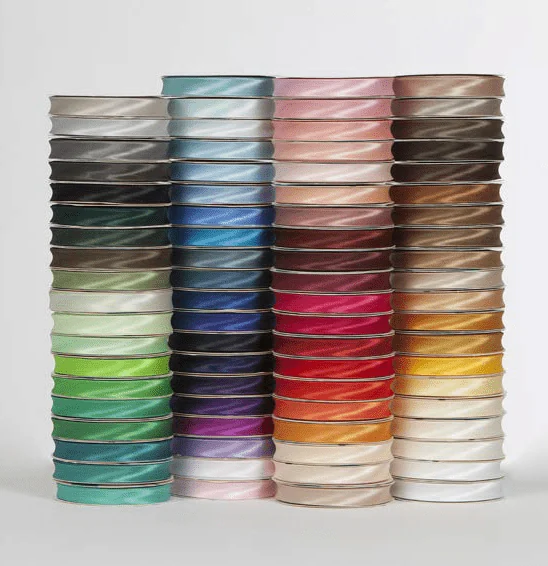
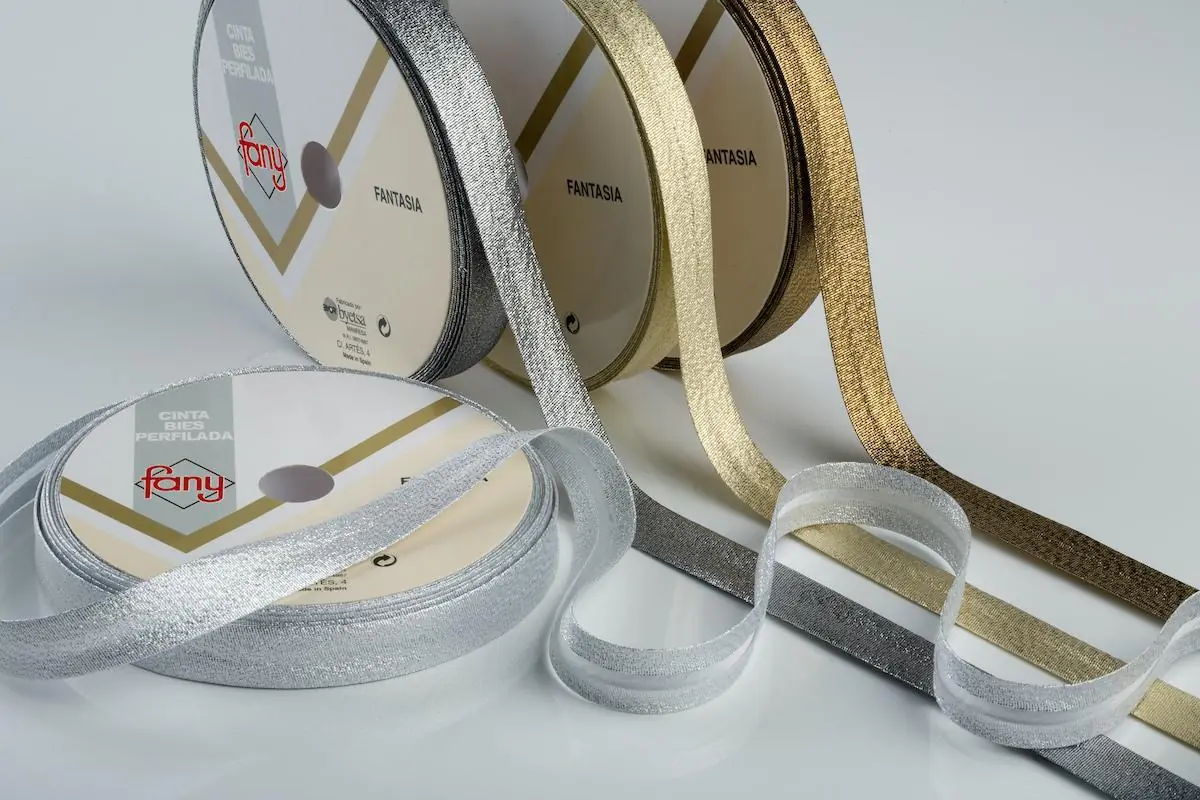
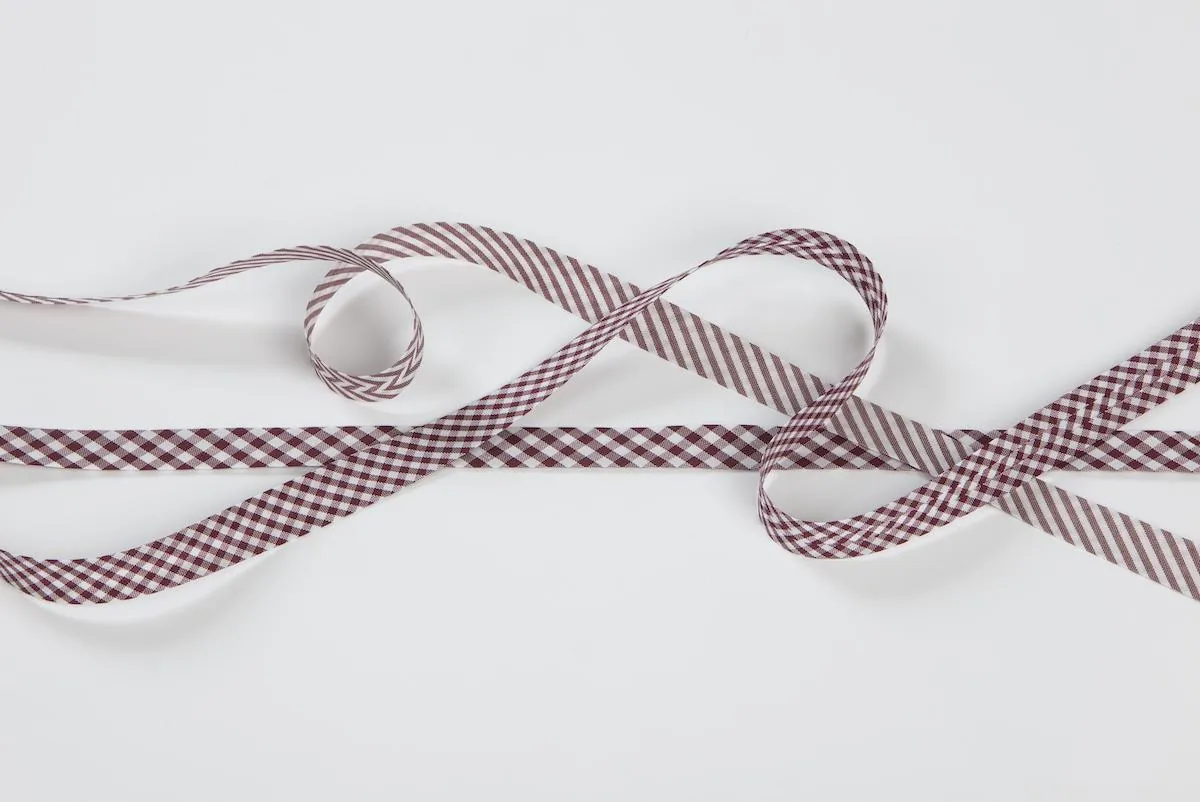
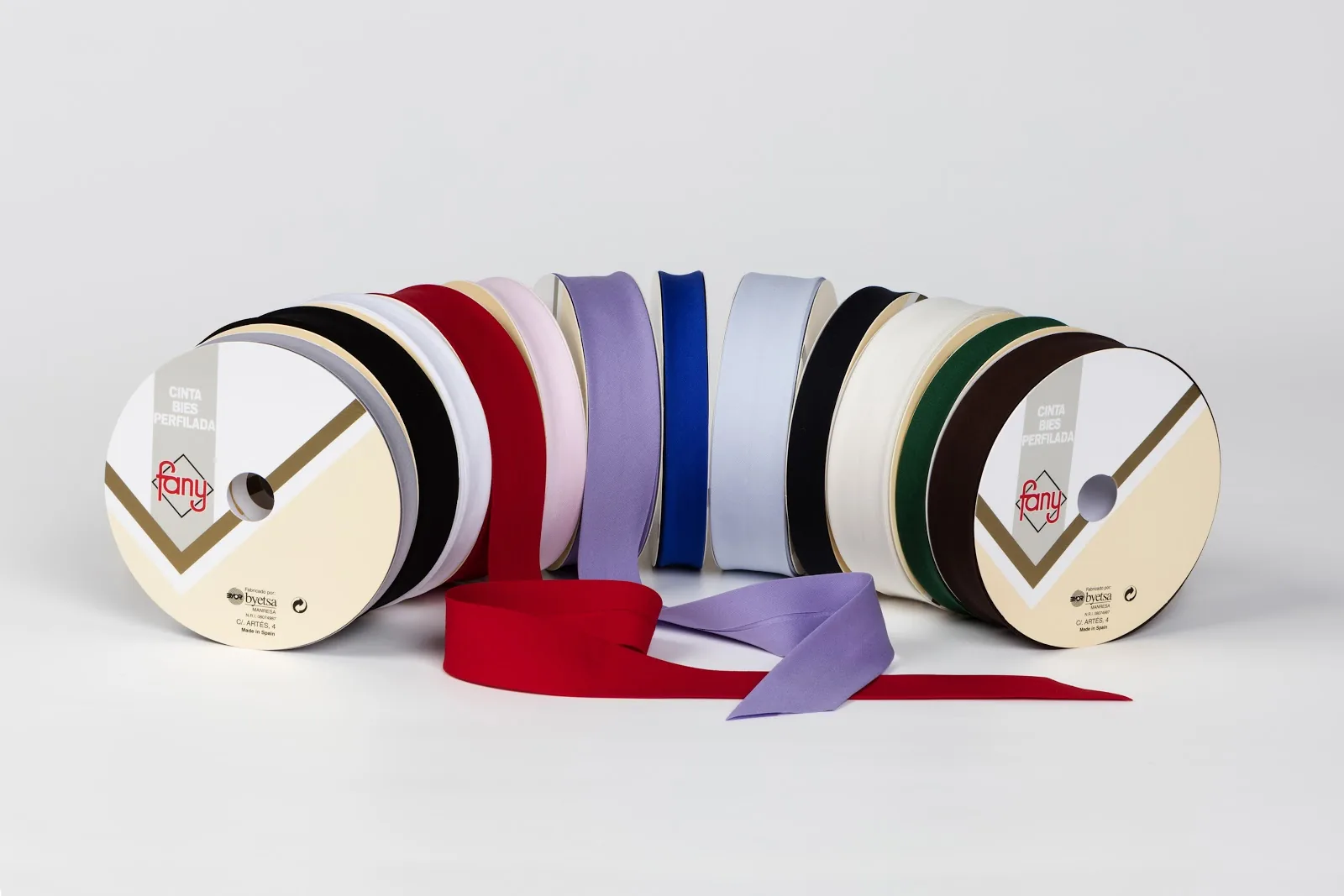
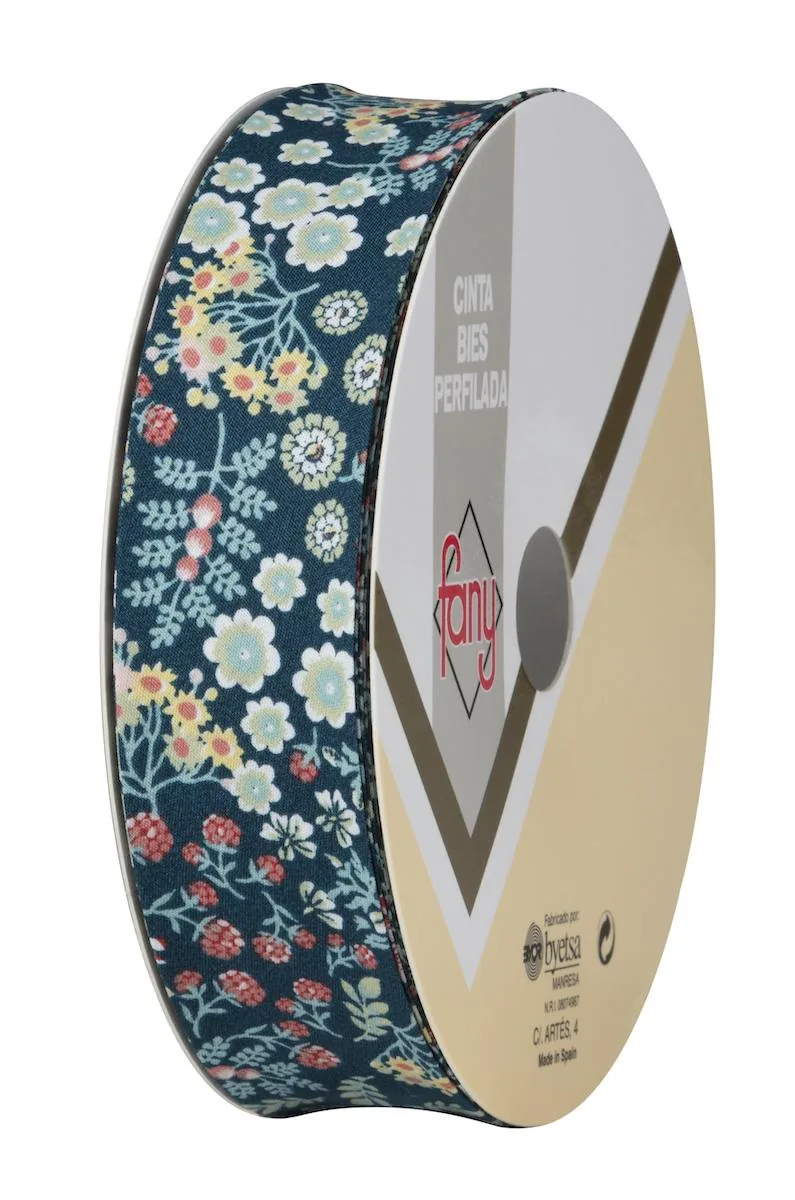
Byetsa offers cotton, satin, cotton-polyester, lamé, Vichy gingham, elastic and printed bias binding. It sells them through two lines: Fany, specialising in haberdashery products in small formats, and Byor, for large-format industrial pieces. You can send any questions through the contact form on its website.
Related articles
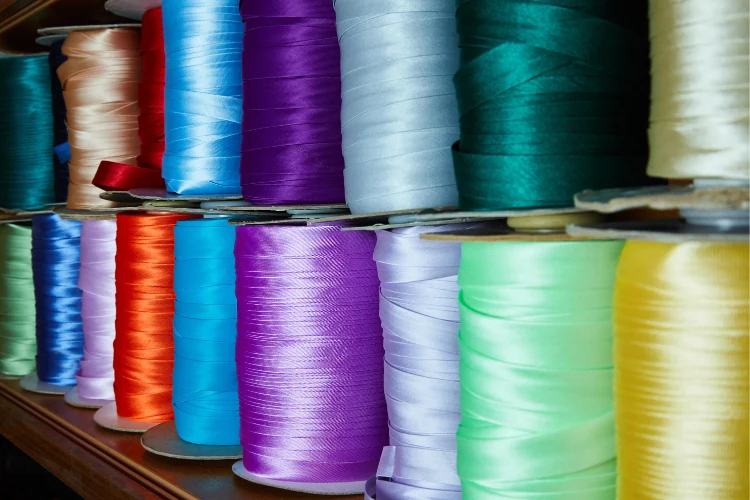
How to apply bias binding on curves: our recommendations
Learn step by step how to apply bias tape on curves and achieve perfect, professional finishes. Best tips and techniques at Byetsa.
Read article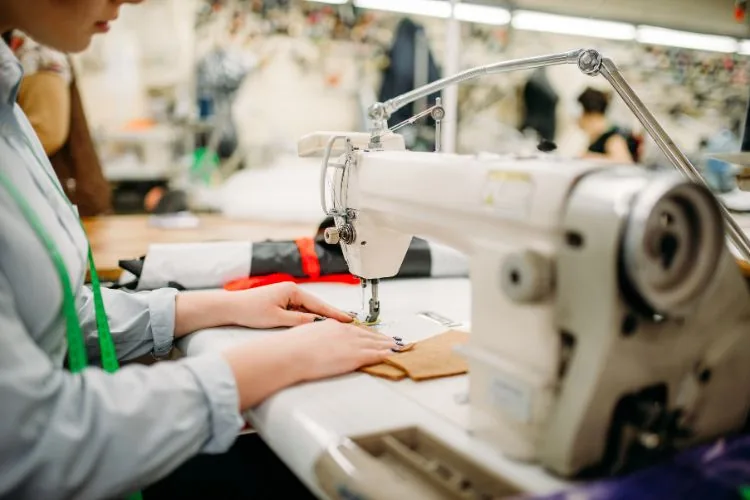
Bias tape: Everything you need to know to master this essential element
Bias tape is an essential element in the world of sewing. Discover why Byetsa’s bias tape is the best choice.
Read article
What is bias binding tape used for?
Bias binding tape is a strip of fabric cut at 45° that finishes, reinforces and decorates edges. Find out what it is, what it’s used for and its main uses by sector.
Read articleDo you have a question about bias binding?
If you have any questions about our products or need personalised advice, please do not hesitate to contact our team. We are here to help you in any way we can. Write to us!
- Phone93 874 40 98
- Emailinfo@byetsa.es
- AddressC/ Artés, 4 · Pol. Ind. Els Dolors · 08243 Manresa (Barcelona)
Tell us what you need
We will reply with the right reference, format and width for your production.