How to make bias tape, and what can Byetsa offer you?
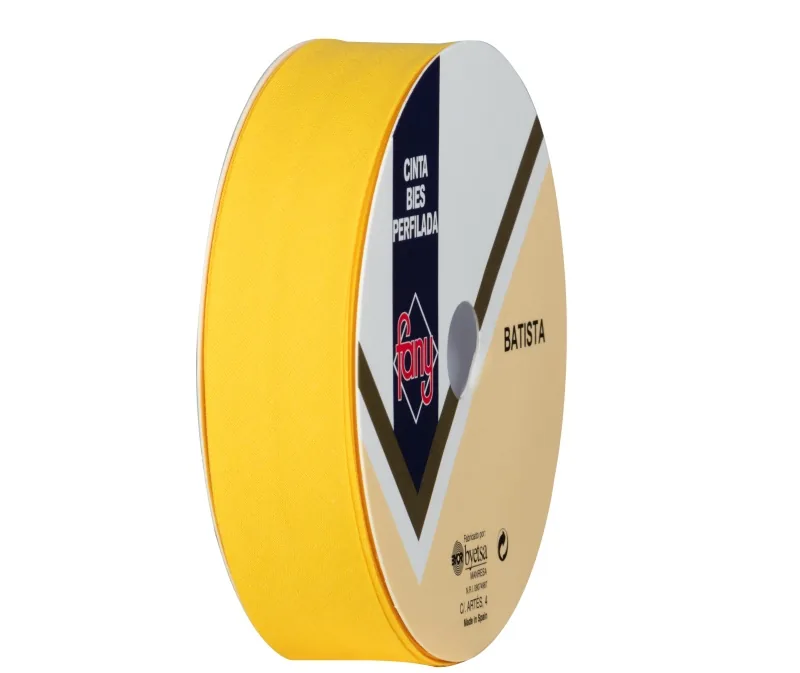
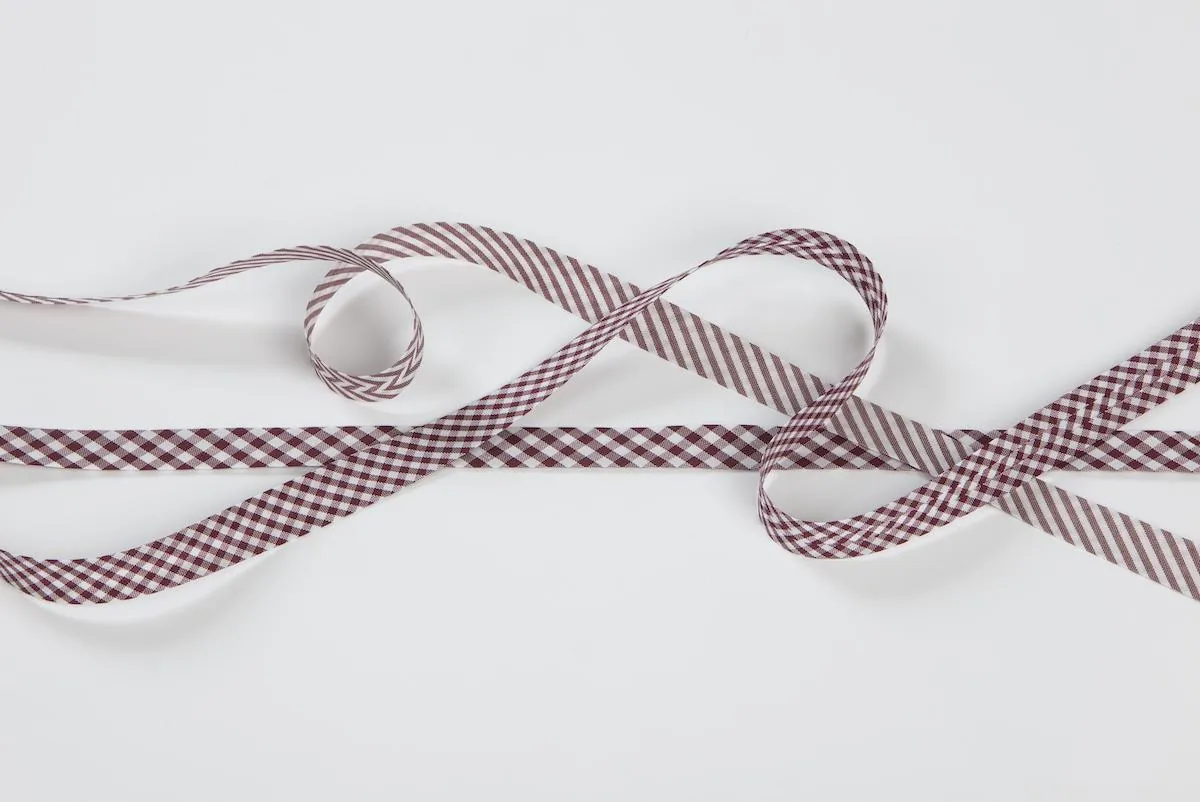
Byetsa’s bias tape is a strip of fabric cut diagonally with respect to the direction of the threads that form the material.
 By Francesco ZagnoniPublished on Updated on 4 min read
Quick answer
Bias binding is made by cutting fabric into narrow strips on the diagonal, with the fibres at 45° to the length of the strip. This gives it more flexibility than a strip cut parallel to the selvedge and lets it adapt to straight lines and curves.
Key points
- It is cut diagonally to the weft and warp, with the fibres at 45° to the length of the strip.
- This cut gives it more flexibility than a strip parallel to the selvedge and makes it easier to apply on straight lines and curves.
- It is used to finish or bind garments, belts and bags, to stabilise edges and in crafts.
- Seam quality depends on its size, the slippage strength and the seam strength.
- Byetsa has more than 7,000 references, including children’s prints in organic cotton.
One of the most used elements in the textile industry is, undoubtedly, the bias-cut tape. This is a tape that has been cut diagonally to the weft and warp of the fabric, that is, diagonally to the edges, so it has more flexibility than a strip cut parallel to the edge.
At Byetsa, we make our bias-cut tapes in very narrow strips. The fibres of the fabric are at 45° to the length of the strip, which gives the product more elasticity and fluidity. It is a technique that greatly facilitates its application on both straight and curved lines.
What is bias-cut tape?
Bias-cut tape is a strip of fabric that has been cut diagonally with respect to the direction of the threads that make up the material. It is used in haberdashery to adorn or reinforce the edge of something. In addition, it offers great flexibility and strength, and adapts to the material when sewing, helping to prevent wrinkles or folds. Its main use is to stabilise edges in sewing work.
What are bias tapes for?
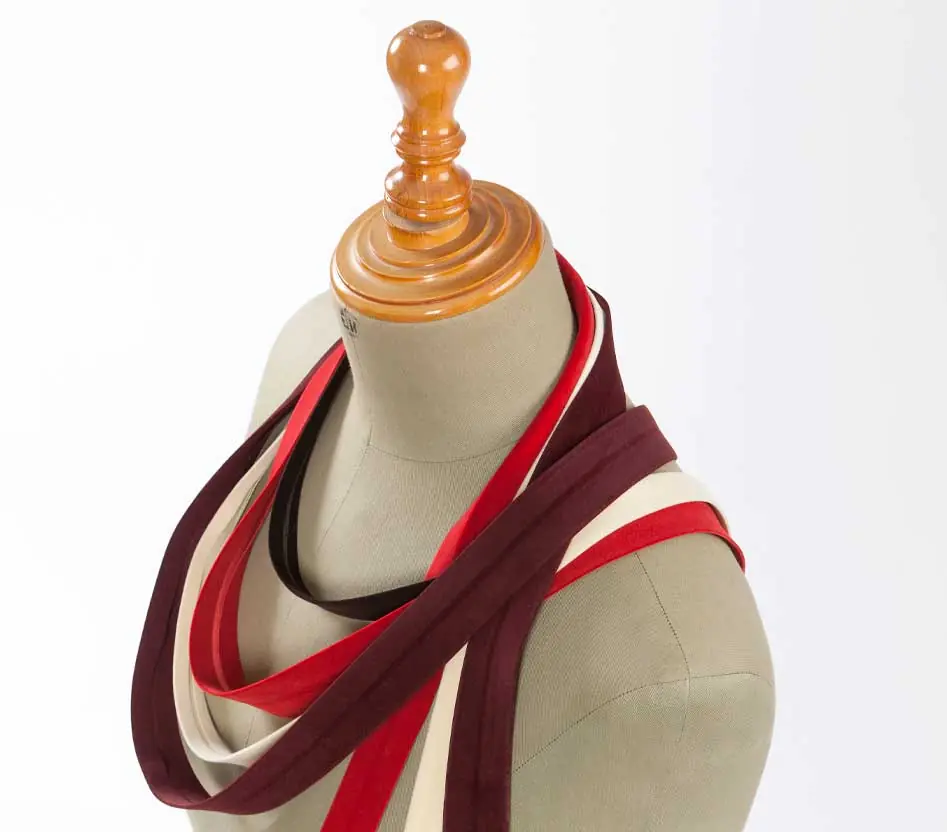
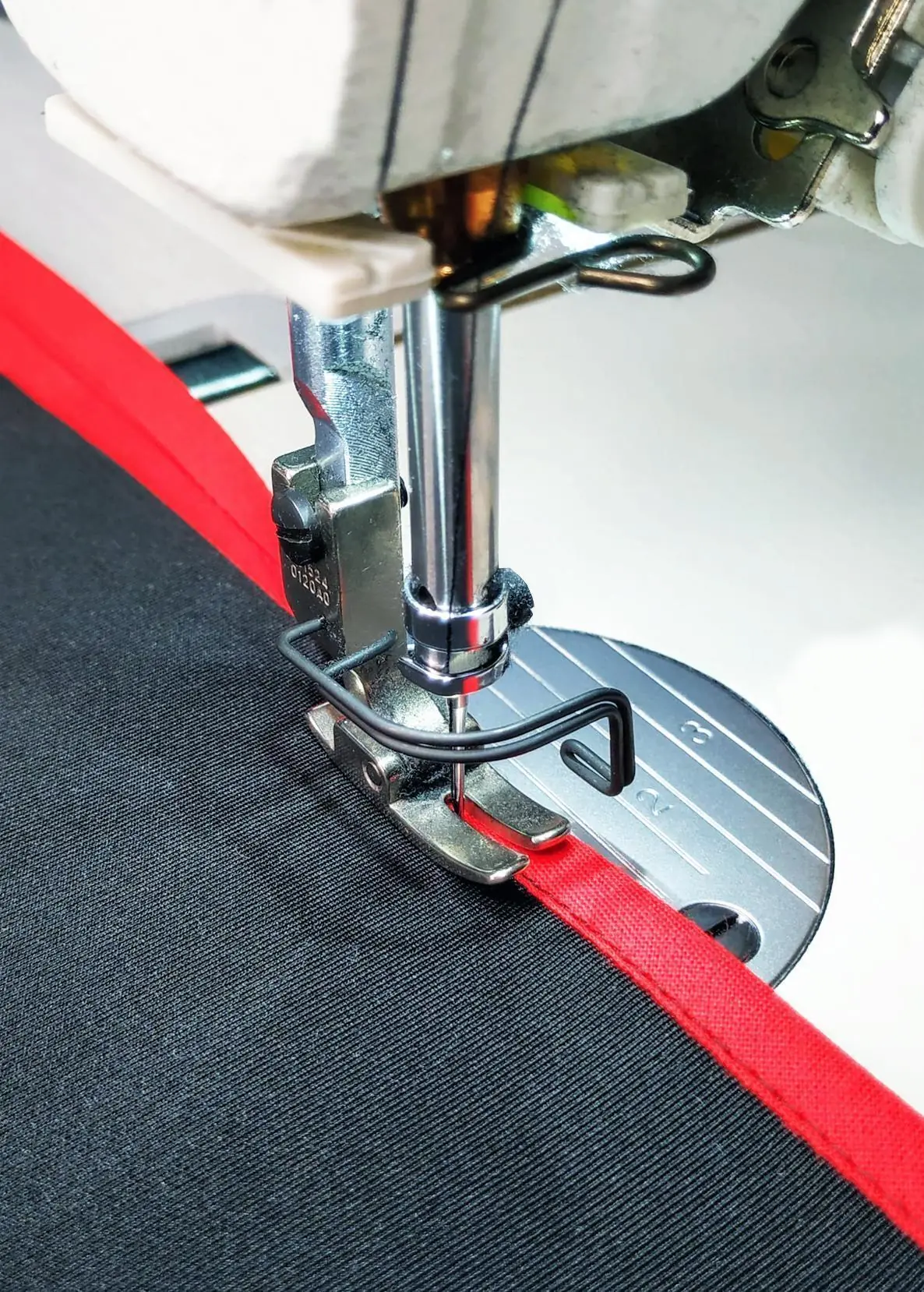
Bias tapes can be used for both machine and hand sewing. This type of single-fold tape is mainly characterised by its softness and pliability. That is why it is used specifically for finishing or trimming clothing, belts or bags.
They are also used to adapt different fabrics for new crafts such as scrapbooking, decorating your home or renewing headbands.
What does the quality of seams with bias tape depend on?
The quality of a seam depends on three fundamental elements:
- 1. Seam size. It is measured by the depth, length, and width of the seam.
- 2. Seam slippage strength. It is the force needed to pull out 1/4 of the opposing sets of threads perpendicular to the seam line.
- 3. Seam strength. It refers to the force required to open the seam.
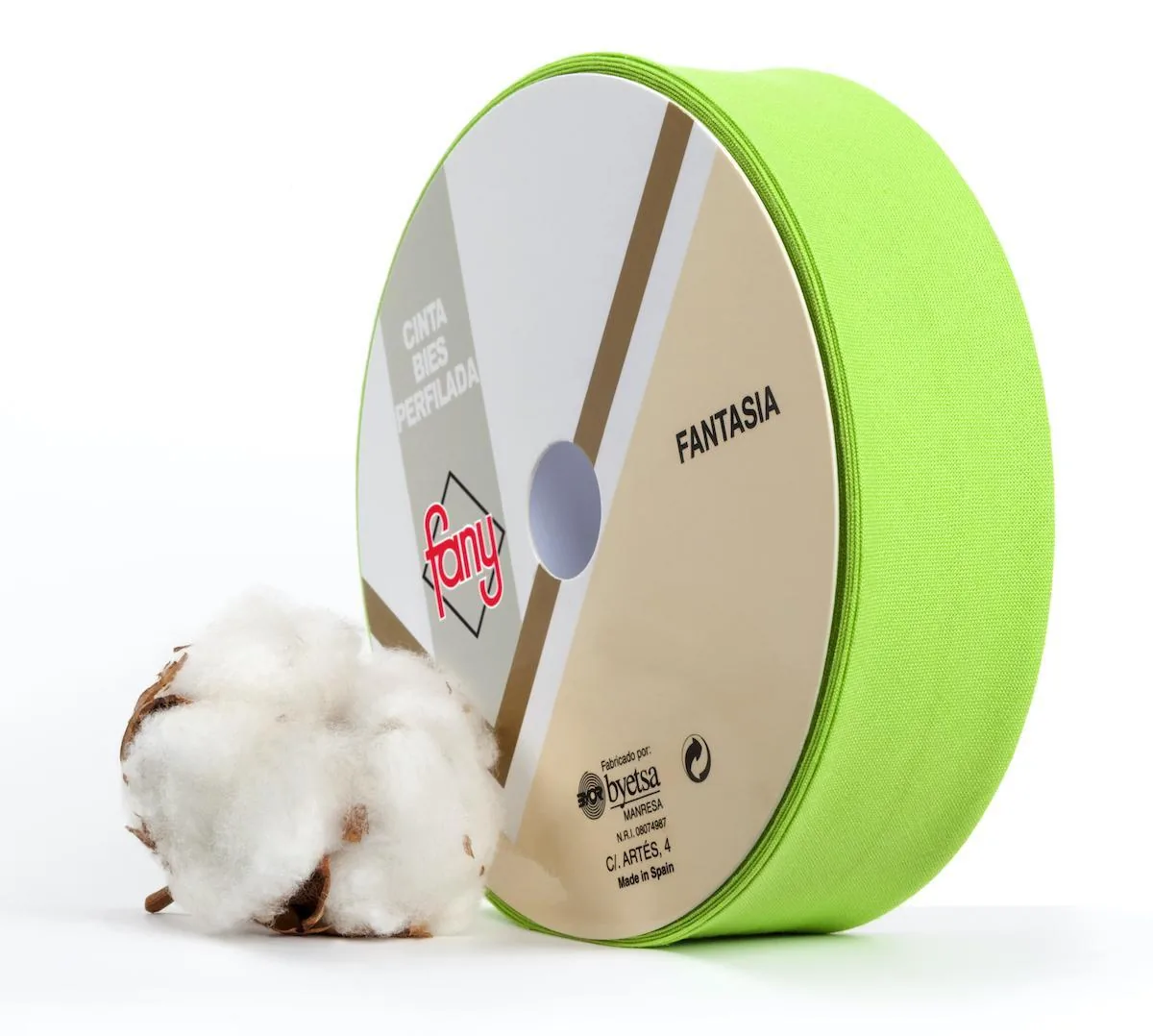
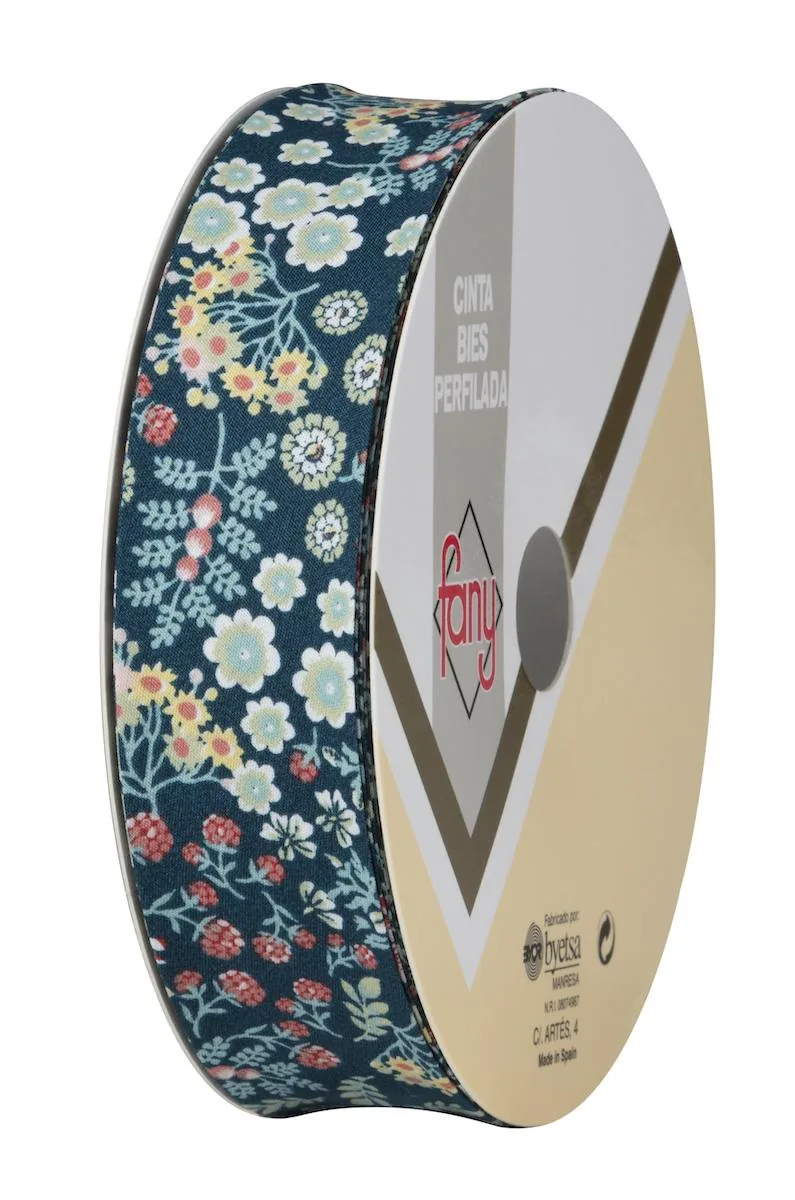
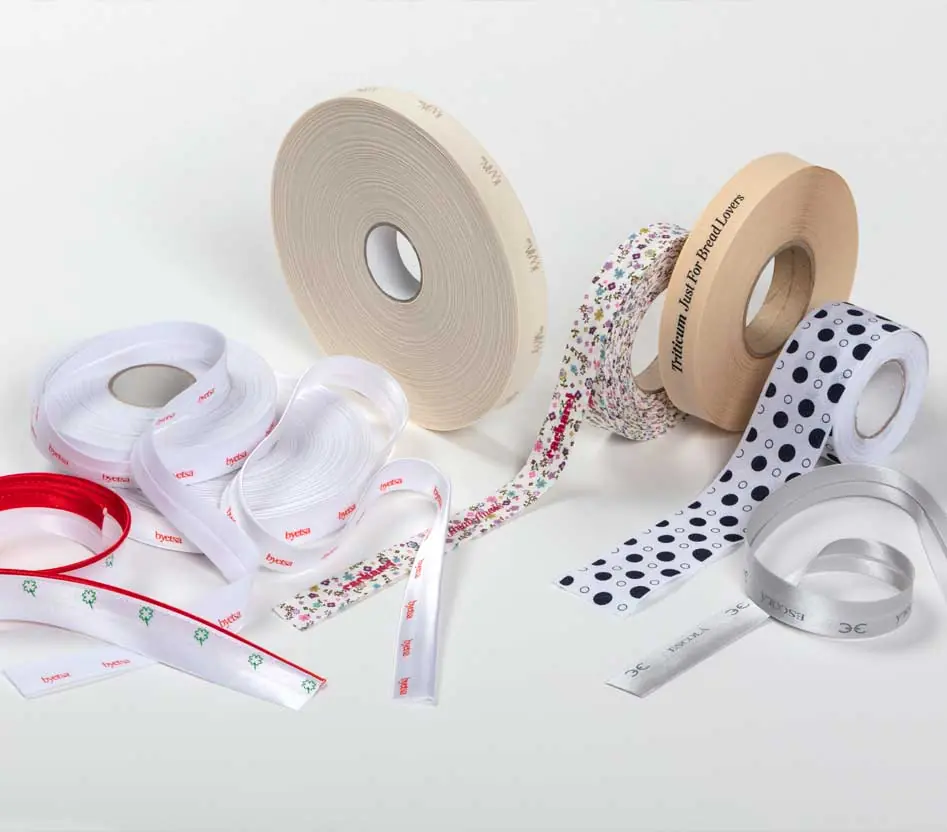
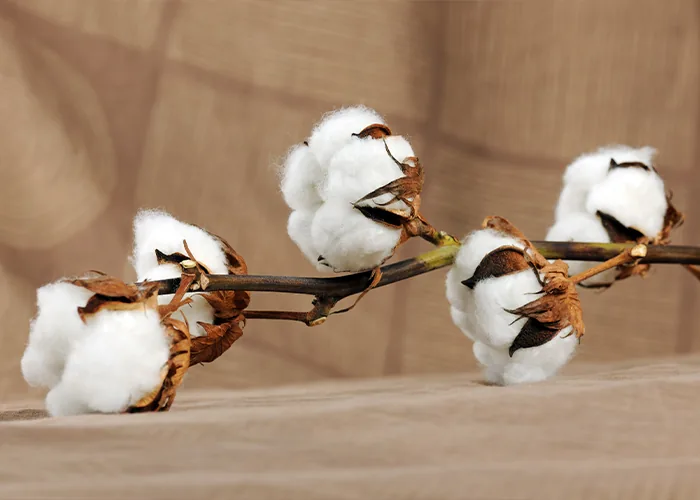
At Byetsa, we work with and market a wide range of prints on organic cotton fabrics. All our bias tapes are made with fabrics free of harmful substances such as lead or arsenic, so we make sure that little ones are not at risk. In addition, all of them have the OEKO-TEX guarantee.
Industrial bias-cut tape: which sectors use it?
In the fields of fashion, haute couture, home textiles and consumer goods, Byetsa has managed to stand out by becoming one of the best suppliers of industrial tapes. New technologies and the latest trends have always allowed us to understand and adapt to the needs of our customers, from large brands to small workshops.
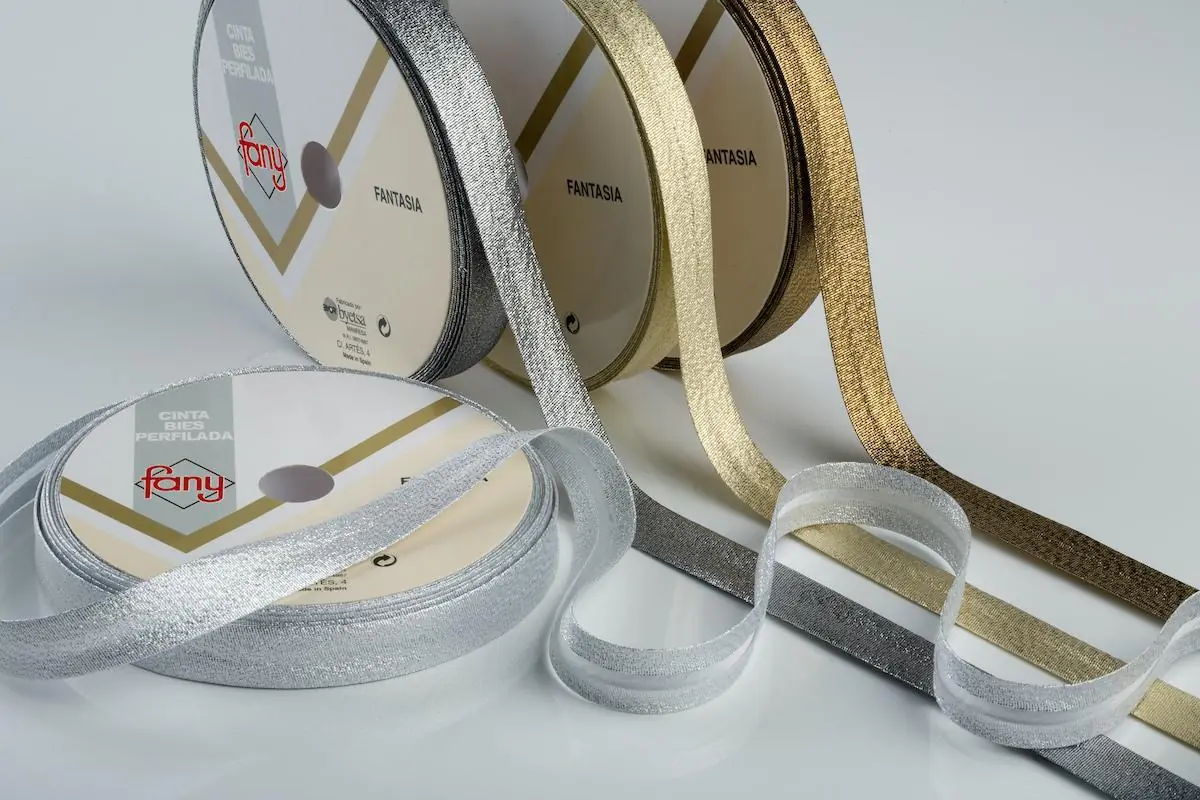
Our bias tapes are present in countless lines and very diverse sectors. We have managed to expand our production for a wide variety of customers who want to buy bias bindings in bulk. This is because we are specialists in the manufacture of bias tapes, in different models and very original styles.
What products do we offer in our Byetsa catalogue?
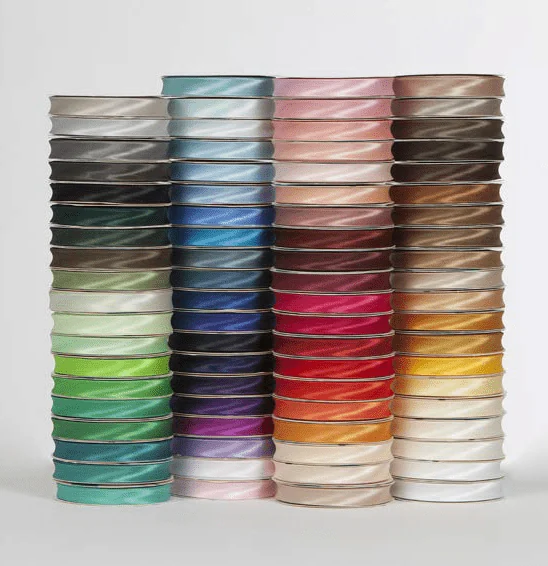
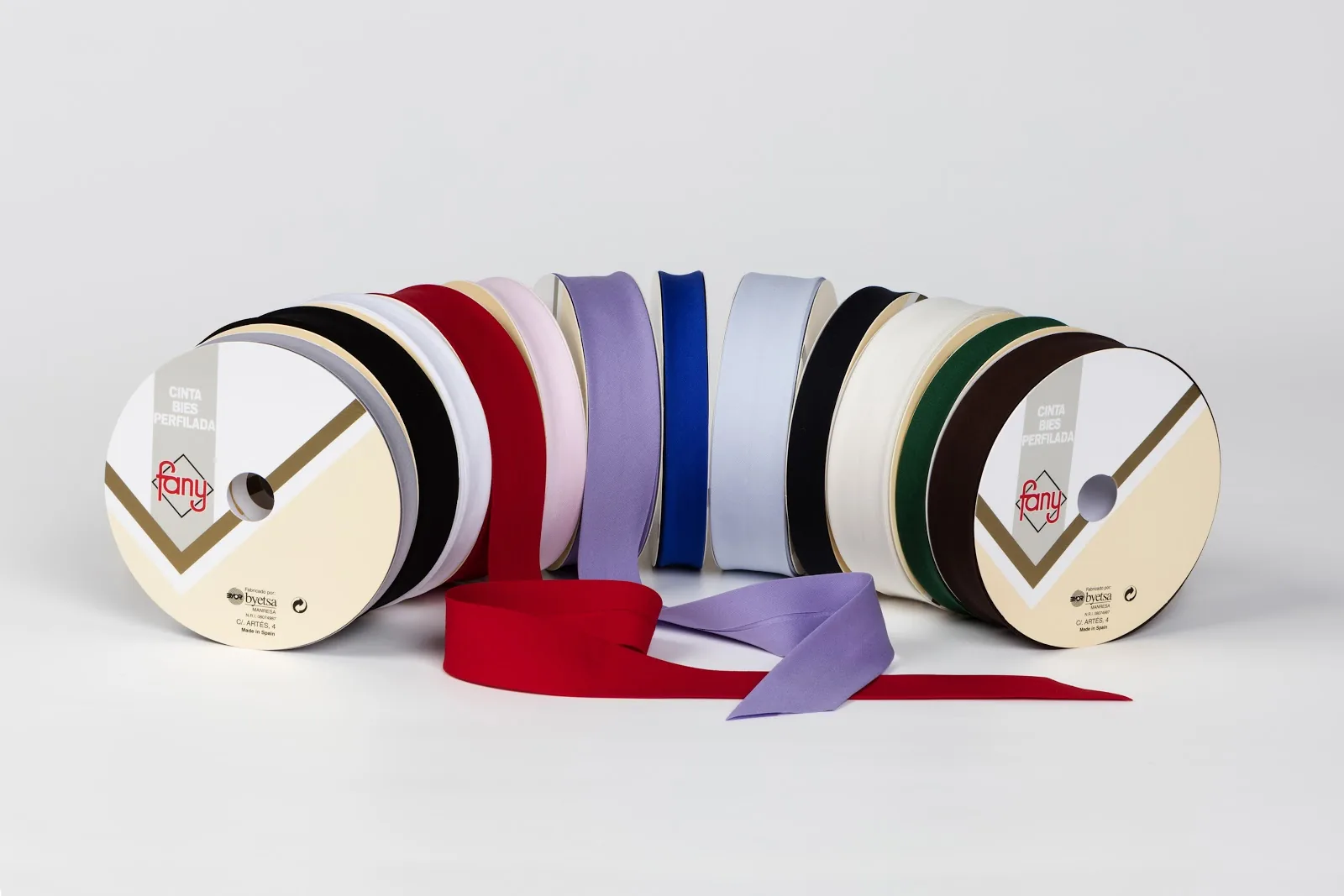
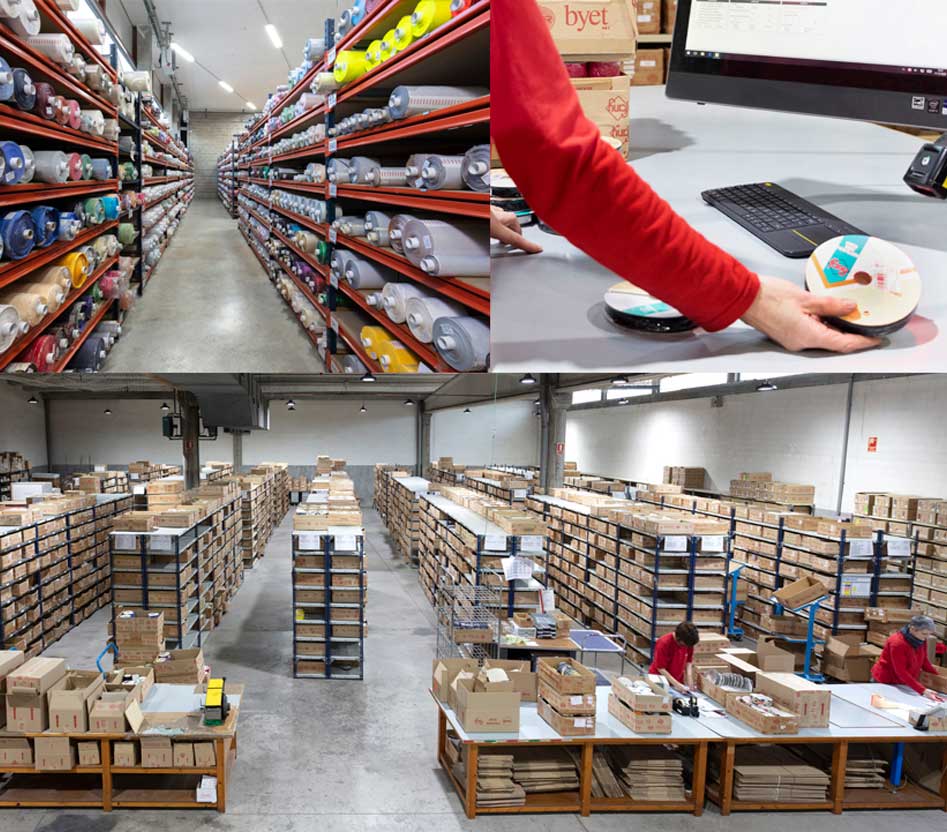
Our main function is to offer our customers a wide variety of products. Currently, we have more than 7,000 references available, already made and ready to ship.
Since our beginnings more than 70 years ago, our main line of business has been the production of bias bindings for industry and haberdasheries. Thanks to the automation of the production process, at Byetsa, we can perfectly cover all the needs of our wide portfolio of customers.
Our wide variety of children’s fabrics is a great asset for companies and customers: we work with an extensive range of prints on organic cotton fabrics, knowing that only the best will do for little ones.
We highlight the quality of our customer service and the exhaustive quality control process of our fabrics, to identify and avoid any possible discrepancy in colour or shade in all our factory batches. In addition, we guarantee original and unique designs.
If you require any clarification about our products, do not hesitate to write to us through our contact form or by email at info@byetsa.es or call us on 93 874 40 98.
We make what you need
Looking for bias binding for your production or your haberdashery?
Frequently asked questions
01What is the difference between cutting a strip on the bias and cutting it on the grain?
A strip cut parallel to the selvedge follows the direction of the grain and barely gives. Bias binding, on the other hand, is cut diagonally to the weft and warp, with the fibres at 45° to the length of the strip. That angle gives it more flexibility and fluidity, and lets you apply it on straight lines and curves while avoiding wrinkles or pleats.
02Can bias binding be sewn by hand or only by machine?
Both options are possible: bias binding is suitable for both machine and hand sewing. It is a single-fold tape, soft and mouldable, so it adapts well to the material while sewing. That is why it is used mainly for finishing and binding garments, belts and bags, and also in crafts such as scrapbooking or headbands.
03How is the quality of a seam with bias binding assessed?
Three factors are taken into account. The size of the seam, measured by its depth, length and width. The slippage strength, that is, the force needed to pull out a quarter of the opposing sets of yarns perpendicular to the seam line. And the seam strength, which is the force required to open it.
04Which bias binding does Byetsa offer for children’s products?
Byetsa works with a wide range of prints on organic cotton fabrics and makes its bias binding with fabrics free from harmful substances such as lead or arsenic, with the safety of little ones in mind. It also checks every batch of fabric to avoid differences in colour or shade between orders.
05Does Byetsa have bias binding in stock for wholesale orders?
Yes. Byetsa has more than 7,000 references already made and ready to ship, and its automated production allows it to serve both major brands and small workshops. It works for sectors such as fashion, haute couture, home textiles and consumer goods. For enquiries, you can write to info@byetsa.es or call 93 874 40 98.
Related articles
White bias tape: elegant, quality options for your garments
White bias tape by Byetsa. Discover our most elegant and sophisticated models to give a unique and exclusive touch to your products.
Read article
Bias tape for towels: here are some suggestions that might interest you this summer
Bias binding tape for towels. Discover the many possibilities offered by the Byetsa catalogue with more than 7,000 references.
Read article
What is bias cutting, and how do we do it at Byetsa?
Bias cutting involves cutting fabric at a 45° angle to the grain to give it elasticity and drape. Discover what it is, what it's for, and how to cut it step by step.
Read articleDo you have a question about bias binding?
If you have any questions about our products or need personalised advice, please do not hesitate to contact our team. We are here to help you in any way we can. Write to us!
- Phone93 874 40 98
- Emailinfo@byetsa.es
- AddressC/ Artés, 4 · Pol. Ind. Els Dolors · 08243 Manresa (Barcelona)
Tell us what you need
We will reply with the right reference, format and width for your production.