Applying bias binding by machine: bias binding foot, binder attachment and the right width
How to apply bias binding by machine: bias binding foot, binder attachment, which format to use with each and what cutting width to order for your production.
 By Francesco ZagnoniPublished on 9 min read
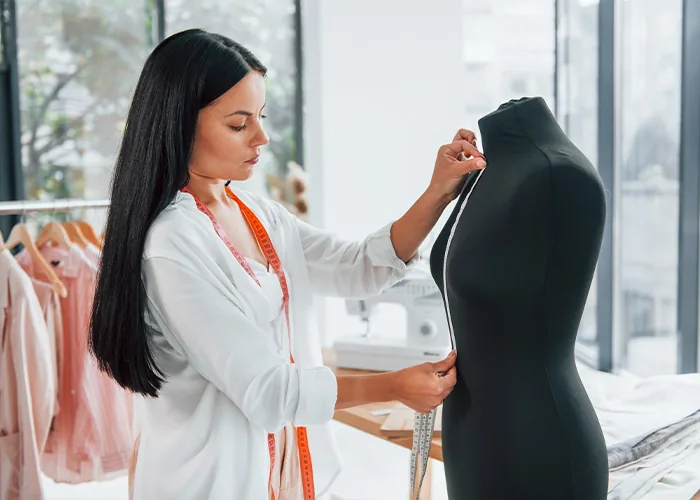
Quick answer
The bias binding foot is an attachment that folds and sews the tape in a single pass. On a domestic machine it works with folded bias binding; in the workshop, the binder attachment folds flat bias binding on a lockstitch or coverstitch machine. The cutting width depends on the binder: as a guide, about four times the finished width for double-fold.
Key points
- The bias binding foot works with folded bias binding; the binder attachment, with flat bias binding.
- The binder determines the cutting width, not the garment.
- Byetsa cuts bias binding at 45°, millimetre by millimetre, to the width each production run needs.
- The bias binding fabric affects the feed: satin is not set up the same way as batiste.
- Most binding defects come from a mismatched width or too much tension.
How to apply bias binding by machine: bias binding foot, binder attachment, which format to use with each and what cutting width to order for your production.
Bias binding foot and binder attachment: what they are and how they differ
In a garment cost sheet, bias binding is a small item. What counts is the application time: a binding sewn in two passes and freehand can cost several times more than the tape. That is why the bias binding foot and the binder attachment are the two accessories with the greatest impact on the profitability of a finish, and the ones that determine which bias binding to buy. More articles on the subject in the Blog.
In essence, both do the same thing: they guide the tape, fold it around the edge and present it under the needle so it can be sewn in a single pass. They differ in the machine they work on, the volume they are designed for and, above all, the bias binding format they need. Confusing them is the cause of many badly specified orders.
This guide explains how each system works, what format and width to order for each one and how to correct the most common defects. It is aimed at workshop managers and purchasing managers, and also at haberdasheries that advise customers with domestic machines.
Bias binding foot: the binder for domestic and semi-professional machines
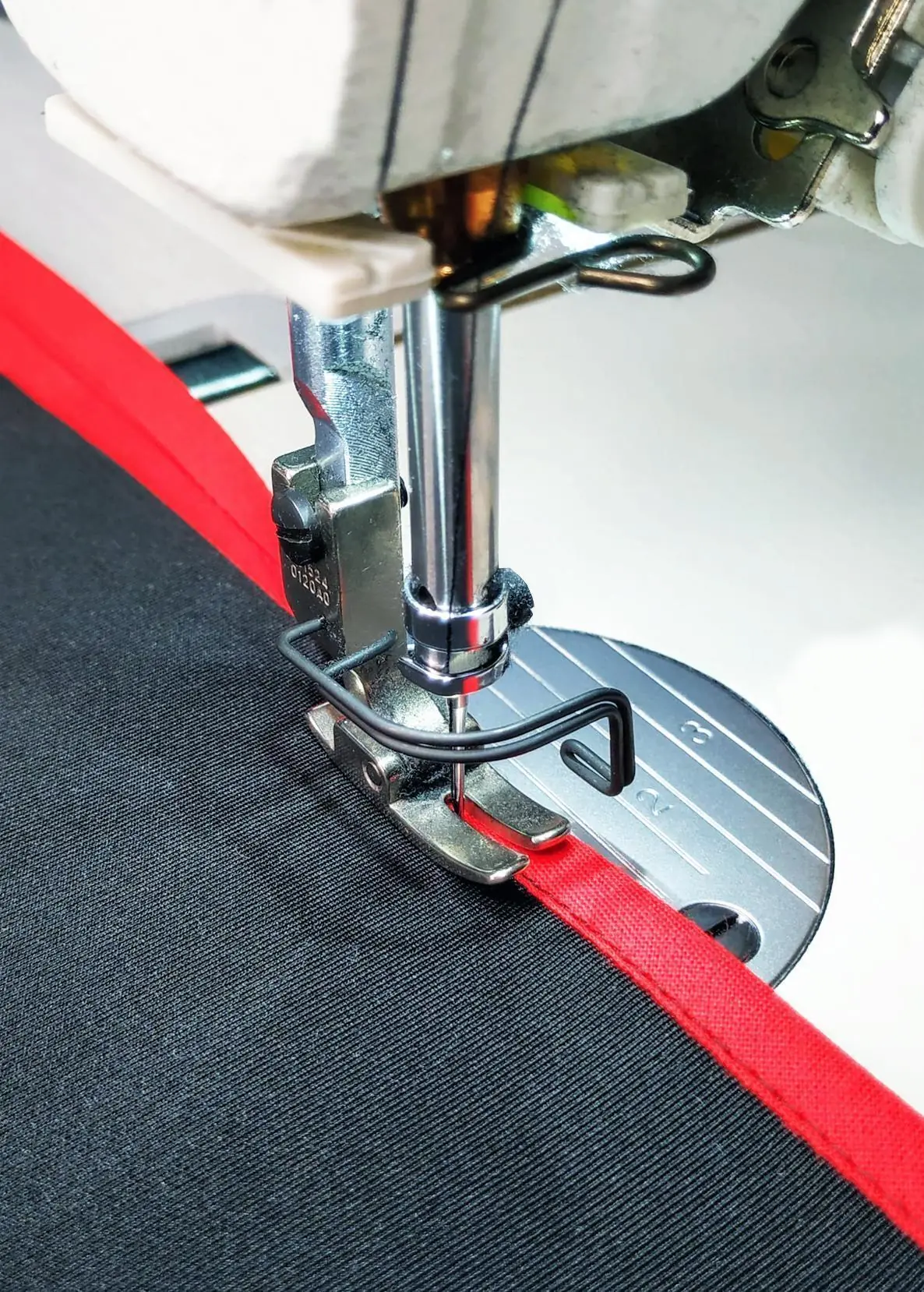
The bias binding foot, also called a binder foot, replaces the machine’s standard presser foot. It has a scroll-shaped guide or an adjustable channel that the tape feeds into, and the tape comes out folded over the edge of the fabric. It works with folded bias binding, that is, with the edges already folded at the factory.
Adjustable models accept several widths by means of an adjusting screw; fixed-scroll models are calibrated for a specific width. In both cases, the needle should fall one or two millimetres from the edge of the bias binding to catch both sides. It is a suitable solution for short runs, sample collections, alterations and craft garment making, where setting up a dedicated machine does not pay off.
Its limit is consistency. The fabric is guided by hand and the tape feeds without controlled tension, so on tight curves or long runs the result depends on the skill of the person sewing. For series production, the next step is the binder.
Industrial binder attachment: continuous application
The binder attachment is a metal device screwed onto the machine plate, in front of the needle. The tape enters flat through the wide mouth and comes out folded through the narrow one, wrapping the edge. It works with flat bias binding, unfolded, fed directly from the roll placed on a reel holder.
It is fitted to a lockstitch machine when the fabric is woven, and to a coverstitch machine when binding knitted fabric, because the coverstitch follows the stretch of the fabric. On thick or slippery materials such as faux leather, the binder is combined with triple-feed machines. The operator only guides the garment: the device does the folding, always the same way.
That repeatability is what justifies the investment. With the right binder and the right bias binding width, the binding comes out with the same visible width on the first garment and the last, and the time per unit falls considerably compared with sewing in two passes.
Single-fold or double-fold binder: how the edge looks
Binders differ in the number of folds they give the tape. With a single-fold binder, the outer edge is folded and clean, and the inner edge is left raw on the reverse, held by the coverstitch. With a double-fold binder, both edges are folded inwards and the binding is clean on both sides.
| System | Machine | Bias binding format | Typical use |
|---|---|---|---|
| Bias binding foot | Domestic or semi-professional | Folded | Short runs, haberdashery and alterations |
| Single-fold binder | Coverstitch | Flat | Knitted fabric: T-shirts, underwear |
| Double-fold binder | Lockstitch or coverstitch | Flat | Series production with a clean binding |
| No attachment, in two passes | Lockstitch | Folded | Sample collections and pieces with complex shapes |
The choice between the two depends on whether the reverse side is visible. On a T-shirt, a single fold reduces bulk and is enough. On an unlined jacket, a bib or a blanket, double-fold is the standard because the binding is seen on both sides.
What bias binding format and width to order for each system
The most expensive mistake when buying bias binding is choosing the width based on how you want the garment to look, without taking the attachment into account. The visible width of the binding is set by the binder or the foot, not by the tape: bias binding must be ordered in the width that the attachment needs to fold correctly.
That is why the first question from a specialist supplier is not the colour, but which machine and which device will be used to apply it. The bias binding formats page lists all the cut and fold variants; the following sections show which one corresponds to each system.
Flat bias binding for binders: the relationship between cutting width and finished width
Each binder is made for a specific tape width, which is usually engraved on the device itself or specified by its manufacturer. As a guide, for double-fold, the cutting width is about four times the finished width: two visible faces plus the two edges folded inwards. For single-fold, the ratio drops to about three times.
| Finished binding width | Approximate cutting width (double-fold) |
|---|---|
| 6 mm | 24 mm |
| 8 mm | 32 mm |
| 10 mm | 40 mm |
| 12 mm | 48 mm |
These figures are a starting point, not a specification. The thickness of the fabric being bound and of the bias binding itself take up part of the width, so with thick fabrics it is worth adding one or two millimetres. The valid reference is always that of the binder installed.
The tolerance is tight. If the tape is wider than it should be, it wrinkles inside the device; if it is narrower, one of the edges slips out of the fold and is left visible. That is why bias binding for binders must be cut precisely. Byetsa cuts at 45° to the grain, millimetre by millimetre, from 6 mm up to the full piece, so the width is matched to the device and not the other way round.
Folded bias binding for presser feet and lockstitch machines
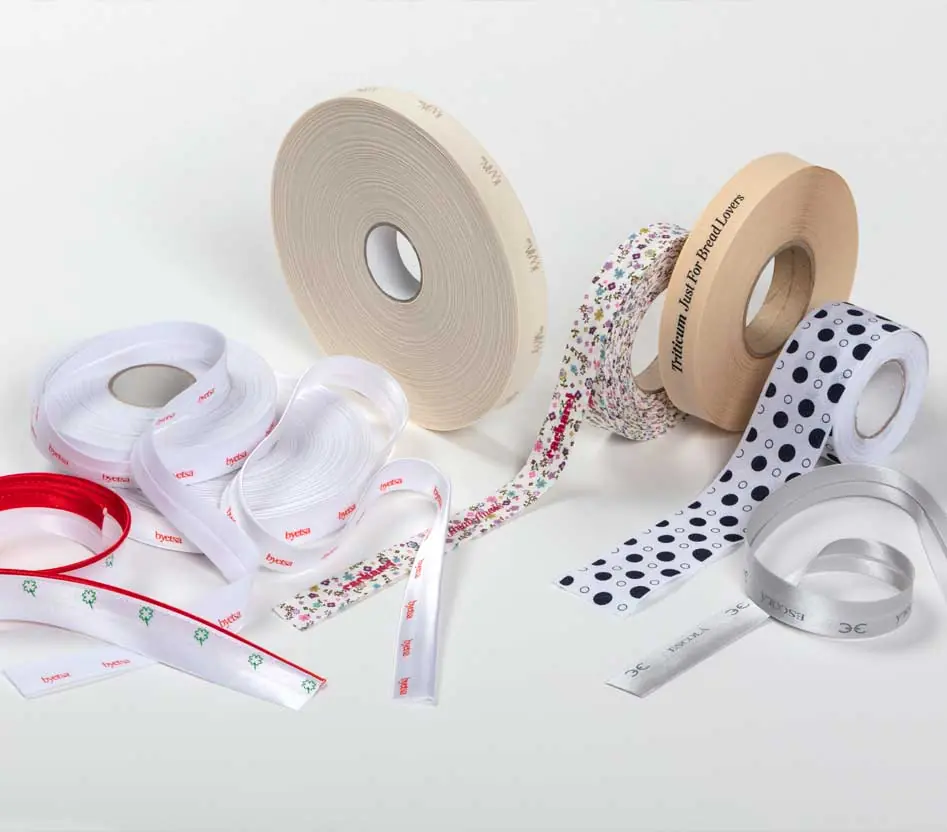
Folded bias binding saves the folding step: it arrives with the edges folded and, depending on the variant, single-fold or double-fold. It is the format for the binder foot and for sewing in two passes on a lockstitch machine. The most common widths are 12, 18, 25 and 30 mm, and the foot must accept the width chosen.

As a general rule, 12 mm is kept for necklines, armholes and tight curves; 18 mm is the most versatile; and 25 and 30 mm are used for visible bindings and home textiles. The bias binding width guide develops this rule by application.
Folded bias binding also makes sense in the workshop when the piece does not allow a binder: mitred corners, bindings that start and finish inside the garment or shapes with sharp changes of direction. In these cases, two well-made passes give a better result than a forced binder. The types of seams for bias binding describe the possible constructions.
How the fabric and the roll affect feeding
Not all bias bindings behave the same inside a binder. Batiste, 50% polyester and 50% cotton, is the most stable and needs the fewest adjustments. 100% cotton folds well but has more body. Satin, 100% polyester, is slippery and needs less brake tension. Faux leather does not deform and needs a binder with more clearance.
The most delicate case is knitted fabric. A woven bias binding on a stretch garment limits stretch and ends up breaking the seam. For these applications there is elastic bias binding, 97% cotton and 3% elastane, which follows the stretch of the base fabric without puckering it.
Presentation also counts. With continuous feeding, every roll change is a stop and every join between strips a possible defect. Industrial-format rolls reduce both. The types of industrial bias binding summarise the variants available for production plants.
How to set up the machine and avoid binding defects
Machine binding is used in almost every sector that bias binding serves: in fashion, on necklines, armholes and hems; in home textiles, on blankets, bibs and tablecloths; and in industry, on workwear, covers and technical articles. The principle is the same in all of them: attachment, tape and tension must be matched.
Before launching a run, it is worth doing a test on the real fabric, including the tightest curve in the pattern, and measuring the visible width at several points. Ten minutes of adjustment avoid touch-ups across the whole production. On curves, the binder should be placed as close as possible to the needle so that the fold does not open.
Common binding defects and how to correct them
Most defects have few causes and recur from one workshop to another. They almost always come down to a mismatched width or too much tension on the tape, and rarely to the machine. The table lists the most frequent ones.
| Defect | Probable cause | Correction |
|---|---|---|
| One edge of the bias binding is left unsewn | Tape too narrow for the binder, or needle misaligned | Check the cutting width and move the binder relative to the needle |
| The bias binding wrinkles or twists | Tape too wide, or a roll that turns with difficulty | Adjust the width and free up the reel holder |
| The binding puckers the fabric | Too much tension on the tape | Reduce the brake; on knits, use elastic bias binding |
| The edge of the fabric shows | The fabric does not reach the bottom of the fold | Guide the garment right up to the stop of the binder |
| Rippling on curves | Bias binding stretched when sewing convex curves | Ease it in without stretching and reduce the speed |
Besides the setup, two other factors matter: the needle, which should suit the most delicate fabric in the assembly, and the stitch length, which for bindings is usually between 2.5 and 3 mm. These values are a guide and should be checked against the instructions of the machine and attachment manufacturers.
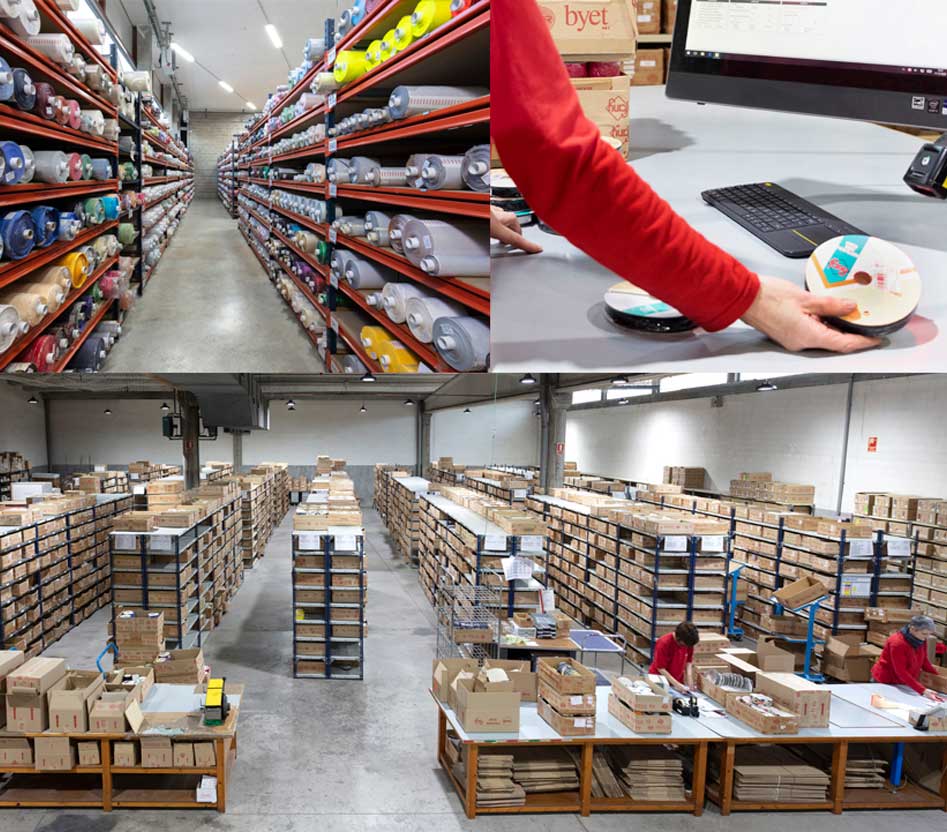
Consistent binding starts with consistent tape. Byetsa has been making bias binding in Manresa since 1969, with permanent stock and more than 7,000 references, and cuts to the exact width each binder requires. It also cuts the customer’s own fabric on the bias, with exact colour replenishment, reasonable minimum order quantities (MOQ) and deliveries matched to the production schedule.
We make what you need
Looking for bias binding for your production or your haberdashery?
Frequently asked questions about the bias binding foot and the binder attachment
01What is a bias binding foot?
A bias binding foot is a sewing machine attachment that guides the tape, folds it over the edge of the fabric and lets you sew it in a single pass. It works with folded bias binding, which arrives with its edges already folded. There are adjustable models, which accept several widths, and fixed models, calibrated for a specific width.
02What is the difference between a binder foot and a binder attachment?
The main difference is the bias binding format and the volume of work. The binder foot is used on a domestic or semi-professional machine with folded bias binding, for short runs. The binder attachment is fitted to an industrial machine and folds flat bias binding fed from a roll, with a consistent result in series production.
03What width of bias binding does a binder attachment need?
It depends on the binder: each device is made for a specific tape width, specified by its manufacturer. As a guide, for double-fold the cutting width is about four times the finished width, and about three times for single-fold. For an 8 mm finished double-fold binding, the starting point is about 32 mm, adjusted according to the thickness of the fabric.
04Can folded bias binding be used in a binder attachment?
It is not recommended. The binder is designed to fold a flat tape; an already folded bias binding does not fit the geometry of the device, so it jams or comes out badly folded. For binders, order flat bias binding cut to the width the device specifies. Folded bias binding is kept for the binder foot or for sewing in two passes.
05Which bias binding is best for binding knitted fabrics by machine?
For knitted fabrics, an elastic bias binding that follows the stretch of the garment is best. Byetsa’s elastic bias binding is 97% cotton and 3% elastane and is applied with a binder on a coverstitch machine. A woven bias binding on knitted fabric limits stretch and can cause puckering or seam breakage with use.
06Can Byetsa cut bias binding to the exact width of my binder?
Yes. Byetsa cuts the fabric at 45° to the grain, millimetre by millimetre, from 6 mm up to the full piece, so the cutting width is matched to each workshop’s binder. Simply specify the width the device requires and the type of fabric to be bound. It is also possible to cut fabric supplied by the customer on the bias.
Related articles
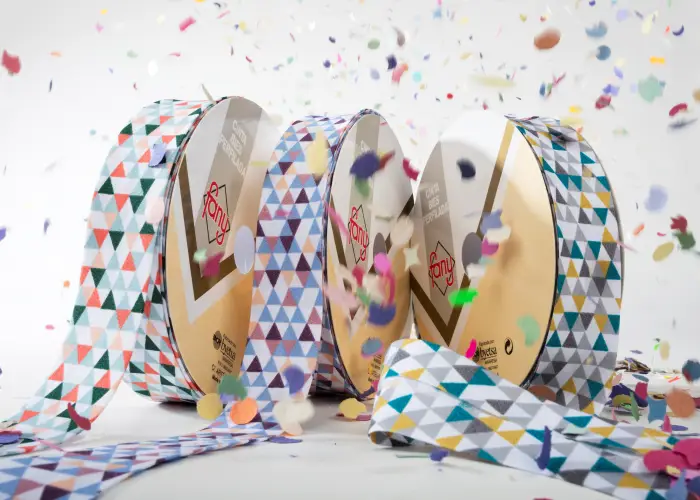
How to sew bias tape the right way
How to sew bias tape. Join the DIY trend with our bias bindings and recommendations. Ask for information with no obligation!
Read articleTechnical differences between bias tape, corded piping and flat piping
We analyse the technical differences between bias tape, corded piping and flat piping. Choose the right finish for your industrial garment production with Byetsa.
Read article
Bias tape wholesale: the best quality for your production plant
More than 70 years of experience in wholesale bias tape, a wide range of models and top quality for the textile industry, fashion, decoration and more.
Read articleDo you have a question about bias binding?
If you have any questions about our products or need personalised advice, please do not hesitate to contact our team. We are here to help you in any way we can. Write to us!
- Phone93 874 40 98
- Emailinfo@byetsa.es
- AddressC/ Artés, 4 · Pol. Ind. Els Dolors · 08243 Manresa (Barcelona)
Tell us what you need
We will reply with the right reference, format and width for your production.