

Gold bias tape and lamé for Christmas: a guide for haberdasheries and workshops
Gold lamé bias tape for Christmas: 70% polyester and 30% lamé, gold, silver and bronze in 18 and 30 mm. What to stock in haberdasheries and workshops.
 By Francesco ZagnoniPublished on 10 min read
Quick answer
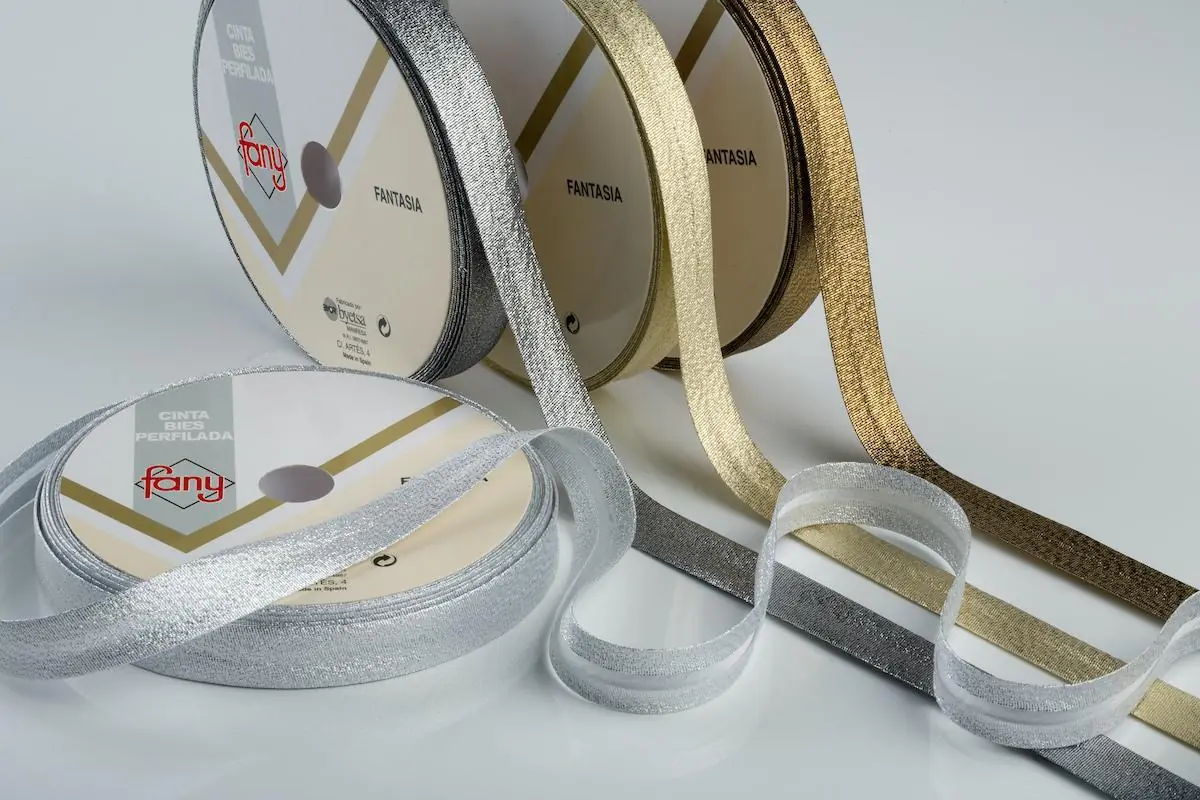
Seasonal gold bias tape is a lamé bias binding (70% polyester and 30% metallic lamé) in gold or antique gold, in 18 and 30 mm widths and also as corded piping; it is best to have it in stock before December, together with silver, bronze and reds.
Key points
- Composition: 70% polyester and 30% metallic lamé, woven with lurex yarn.
- Colours: gold, antique gold, silver, antique silver, bronze and antique bronze, plus 5 bright colours.
- Most used widths: 18 and 30 mm, and corded piping to outline seams.
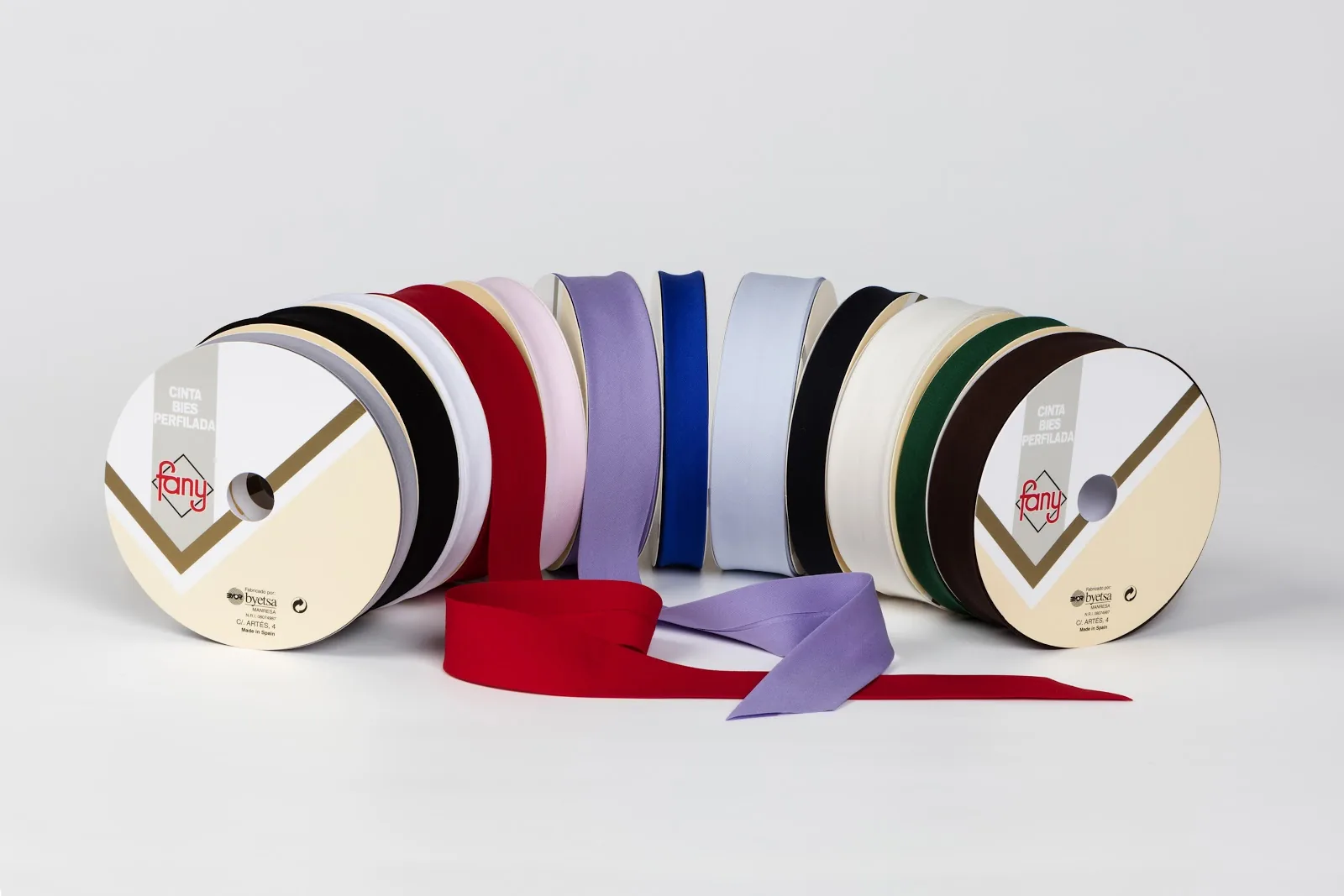
- Presentation: Fany for haberdashery (5 to 25 m) and Byor for garment making (50 to 200 m).
Gold bias tape is the reference that sells most during the Christmas season, together with silver and classic reds. For a haberdashery or a garment workshop, the difference between making the most of the season and missing it lies in having stock ready before December.
In this guide we look at exactly what gold lamé bias tape is, which colours and widths are worth keeping in stock, how it is used in festive garments and decoration, and in which presentation to order it depending on whether you sell over the counter or supply production.
Why gold bias tape should be prepared before December
In haberdashery and garment making, Christmas starts long before the street lights go on. Haberdashery customers look for materials for costumes, party dresses, table linen and decorations in the weeks before, and workshops need the material on the cutting table before delivering their party collections. That is why metallic bias binding stock is decided in autumn, not in December. More articles on the subject in the Blog.
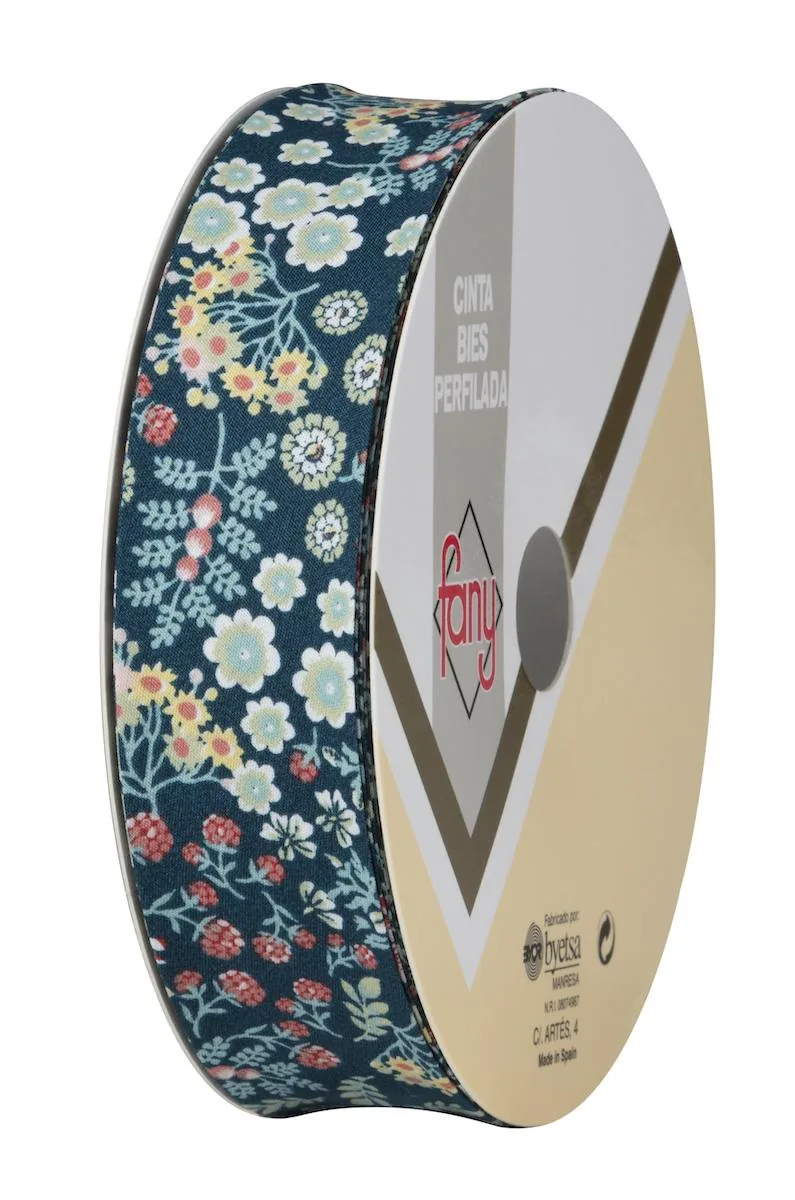
As we explained in our guide to the 2025 Christmas season, seasonal demand is concentrated in two groups of references: gold and silver lamé metallics, and classic reds in satin and cotton. Bottle green, optical white and festive prints complete the range.
Festive demand is concentrated in a few colours
Unlike the rest of the year, when the colour chart is spread across many references, at Christmas turnover is concentrated in gold, silver and red. This simplifies forecasting: instead of covering dozens of shades, the shop or workshop can focus its purchase on a small number of fast-selling references.
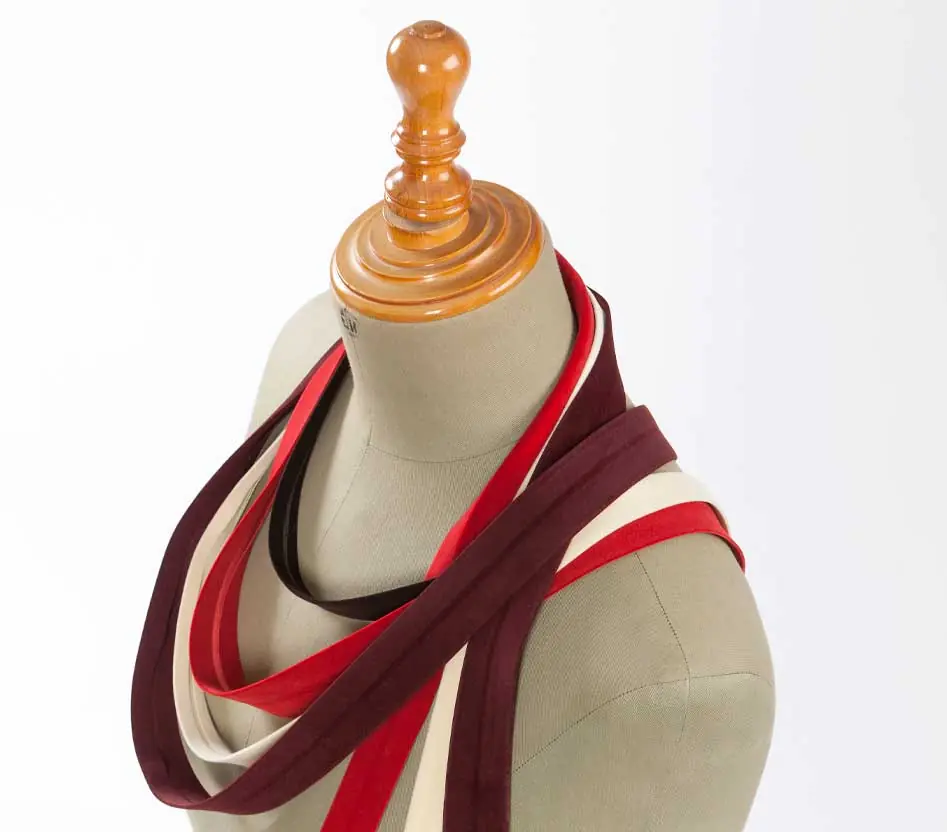
Gold is used mainly for costumes and party dresses; silver, for chargers, table runners and napkins. Red, in satin bias binding or in Batiste cotton and polyester, is the basis of table linen and the most classic accessories.
What arriving on time means for haberdasheries and workshops
For a haberdashery, arriving on time means having the Christmas range on display in November, when enquiries about school costumes, party dresses and home decoration begin. A reference that runs out in mid-December is usually a sale that does not come back.
For a workshop or a brand, it means the bias binding arrives with enough time to cut, sew and deliver. Corded lamé piping, for example, is inserted between two fabrics during garment assembly: if it is not in the workshop when the sewing is done, it delays the whole run. In the haberdashery articles section you will find more ideas for organising the season.
Gold lamé bias tape: composition, colours and widths
Not everything that glitters is the same. The lamé bias binding in our catalogue has a specific technical data sheet, and knowing it helps you recommend the right product to the customer and avoid returns due to incorrect washing. These are the details worth having to hand.
| Reference | Width or format | Most common use at Christmas |
|---|---|---|
| Gold lamé | 18 mm | Costumes, crowns and party dresses |
| Antique gold lamé | 30 mm | Table linen, table runners and decoration |
| Silver lamé | 18 mm | Chargers, napkins and decorations |
| Bronze and antique bronze lamé | 18 and 30 mm | Haute couture and interior decoration |
| Corded lamé piping | Corded piping | Seams on party garments, cushions and bags |
| Satin or Batiste in red | 18 and 30 mm | Table linen, accessories and childrenswear |
70% polyester and 30% metallic lamé with lurex yarn
Gold lamé bias tape is made of 70% polyester and 30% metallic lamé. The lamé is woven with lurex yarns, which give the tape an irregular, elegant sheen, different from the even sheen of satin. That irregularity is precisely what evening wear and party wear designers are looking for.
As for care, the washing guarantee is 30 °C with one dot on the iron. This matters for haberdasheries, because end customers often combine lamé with fabrics that can take higher temperatures: it is worth reminding them that the finished garment is washed at the temperature of its most delicate component.
Gold, silver, bronze and their antique versions
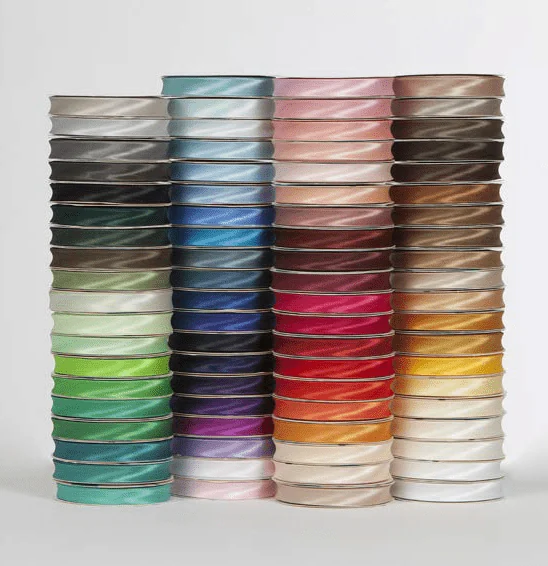
The metallic chart includes gold, antique gold, silver, antique silver, bronze and antique bronze, and is completed by 5 bright colours. Classic gold works for costumes, crowns and children’s decoration; antique gold and antique bronze, more muted, suit haute couture, formalwear and interior decoration better.
Having both versions of each metal lets you serve two different audiences with the same product family. If you want to see how it is used on formalwear, we recommend our guide to satin and lamé bias binding in haute couture.
18 and 30 mm widths and corded piping
The most used widths of lamé bias binding are 18 and 30 mm. The 18 mm is the most versatile for binding necklines, armholes, napkins and decorations; the 30 mm gives a more visible finish on hems, table linen and cushions. Lamé is also made as corded piping, the format that outlines seams in relief on party garments, bags and light upholstery.
If a project needs another size, bias cutting is done millimetre by millimetre, from 6 mm up to the full piece, as we explain on the bias binding formats page.
What to have in stock and in which presentation to order it
Once the colours and widths are decided, the practical question remains: in what format the product arrives. The same lamé family is made in two presentations, designed for two very different ways of working.
For haberdasheries: Fany presentation in small formats
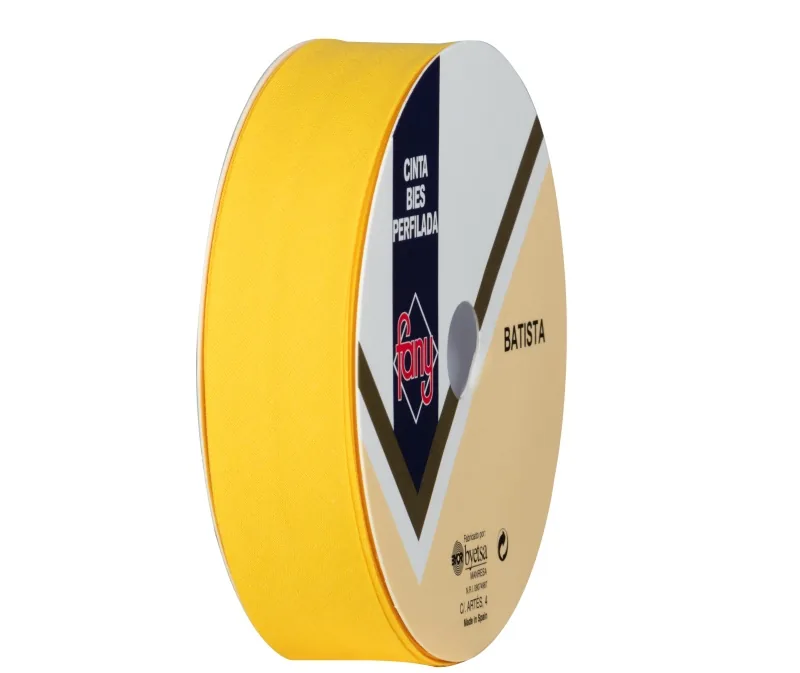
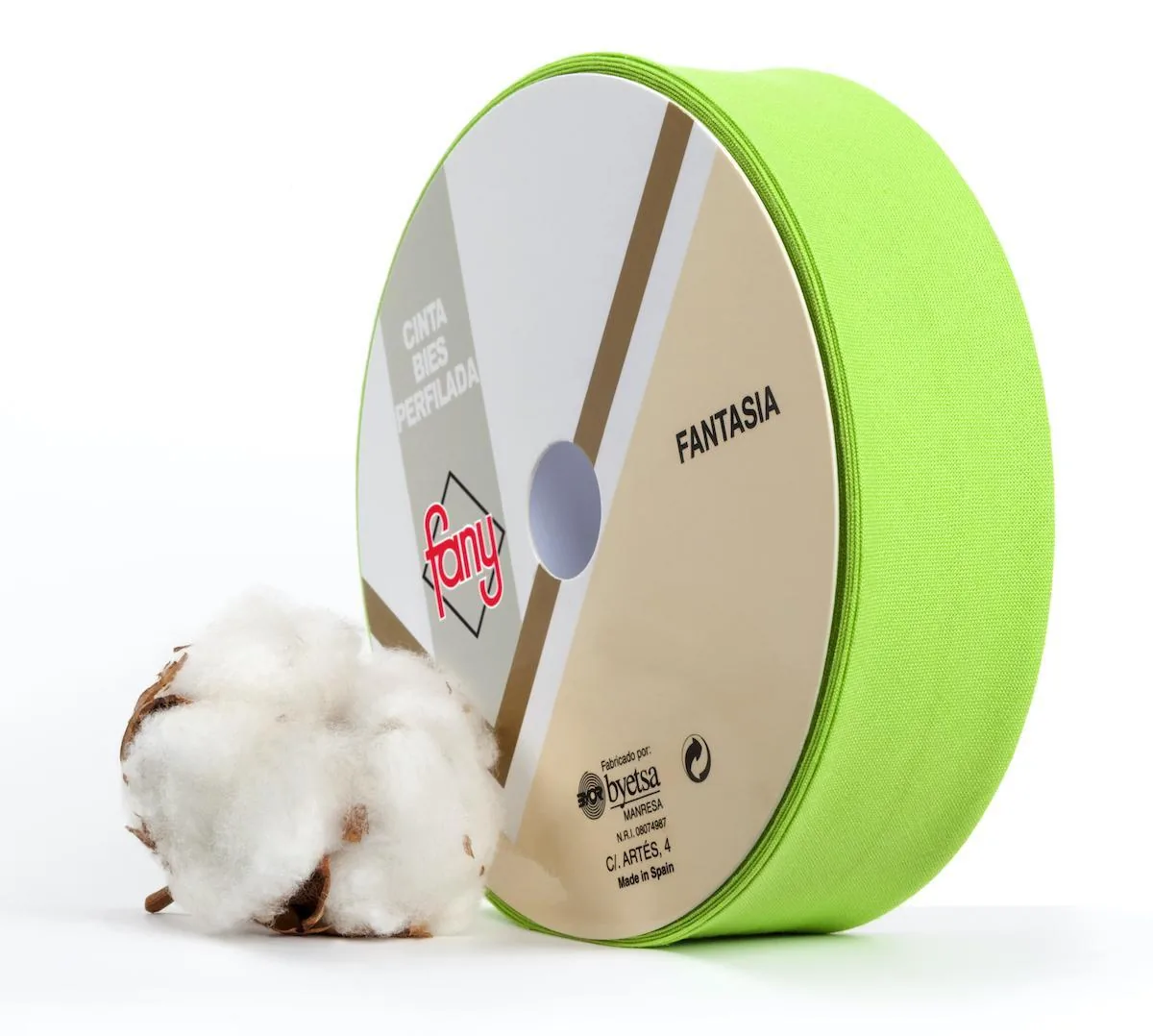
The Fany line groups the haberdashery presentations, in formats from 5 to 25 metres, designed for the counter and for sale by the metre. It is the right option for haberdasheries, wholesalers and distributors who need a variety of colours without tying up large lengths of each reference.
For the season, a reasonable base is to combine gold and silver in 18 mm with a red satin, and keep the 30 mm and the corded piping for customers who sew. You will find all the references in the Fany 2026 haberdashery catalogue.
For garment making: large-format Byor rolls
The Byor line is the industrial presentation, in rolls from 50 to 200 metres, for workshops, brands and garment makers working in series. The large format reduces roll changes on the machine and ensures that a whole production run comes from the same colour batch, which is especially visible with metallics.
The industrial references are listed in the Byor 2026 industrial catalogue, and on the metallic lamé product page you will find the technical data for each colour.
We make what you need
Looking for bias binding for your production or your haberdashery?
Frequently asked questions
01What is gold bias tape?
It is a lamé bias binding in gold or antique gold, made of 70% polyester and 30% metallic lamé woven with lurex yarn. It is used to bind and decorate party garments, costumes and Christmas textiles.
02Which gold bias tape widths are the most common?
The most used widths of lamé bias binding are 18 and 30 mm. It is also made as corded piping and, if the project requires it, the bias cut can be adjusted from 6 mm up to the full piece.
03How do you wash a garment with lamé bias binding?
The washing guarantee for lamé bias binding is 30 °C, with one dot on the iron. A delicate cycle is recommended, without tumble drying, and ironing on the reverse at a low temperature.
04What is the difference between gold and antique gold?
Gold has a brighter, more striking tone, widely used in costumes and children’s decoration. Antique gold is more muted and suits formalwear, haute couture and interior decoration better.
05When should a haberdashery have its Christmas stock?
Ideally, the Christmas range should be available in November, when enquiries about costumes and decoration begin. For workshops, the bias binding should arrive with enough time to cut and sew before delivering the collection.
06In which presentation is lamé bias binding supplied?
In two presentations: Fany, for haberdashery, in formats from 5 to 25 metres, and Byor, for industrial garment making, in rolls from 50 to 200 metres.
Related articles
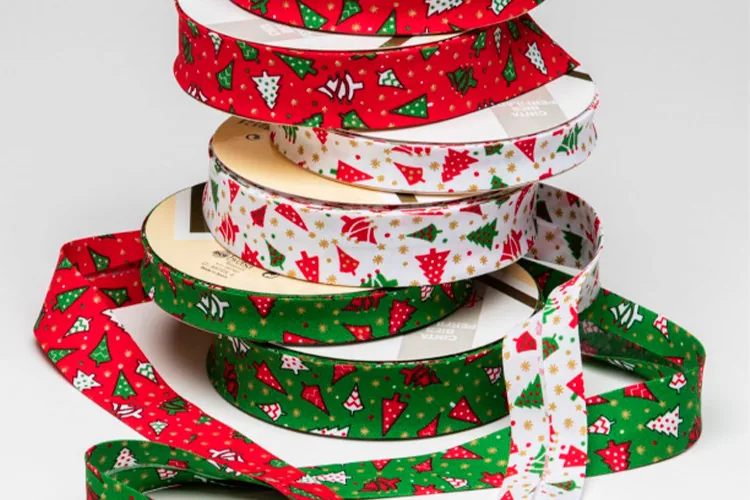
Preparing for the Christmas campaign: the most in-demand bias tapes
The metallic bias bindings and classic reds most requested in the Christmas season.
Read article
Luxury finishes: Using satin and lamé bias tape in haute couture
Satin and lamé on formalwear.
Read articleDo you have a question about bias binding?
If you have any questions about our products or need personalised advice, please do not hesitate to contact our team. We are here to help you in any way we can. Write to us!
- Phone93 874 40 98
- Emailinfo@byetsa.es
- AddressC/ Artés, 4 · Pol. Ind. Els Dolors · 08243 Manresa (Barcelona)
Tell us what you need
We will reply with the right reference, format and width for your production.