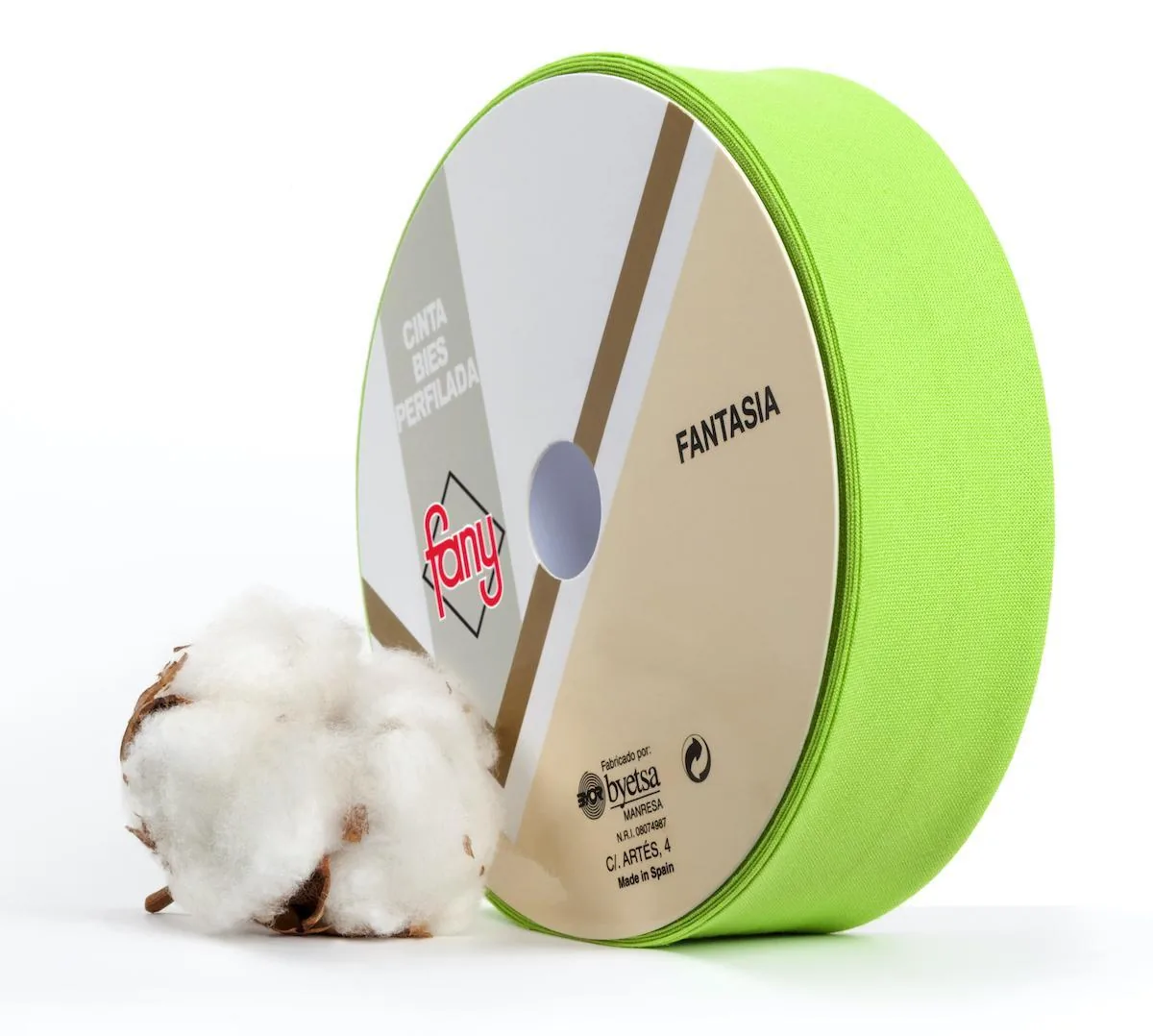
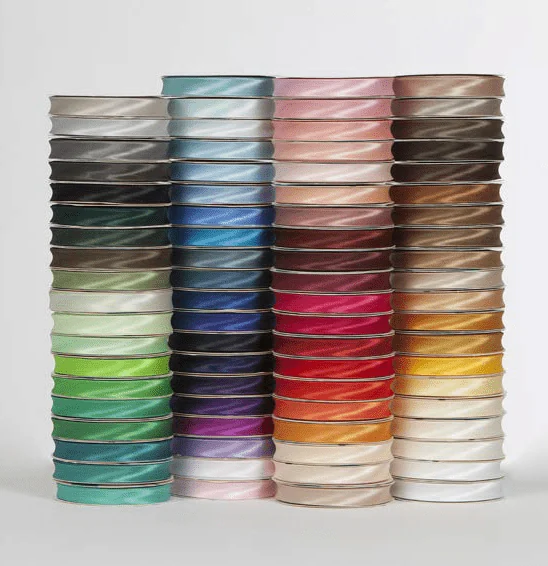
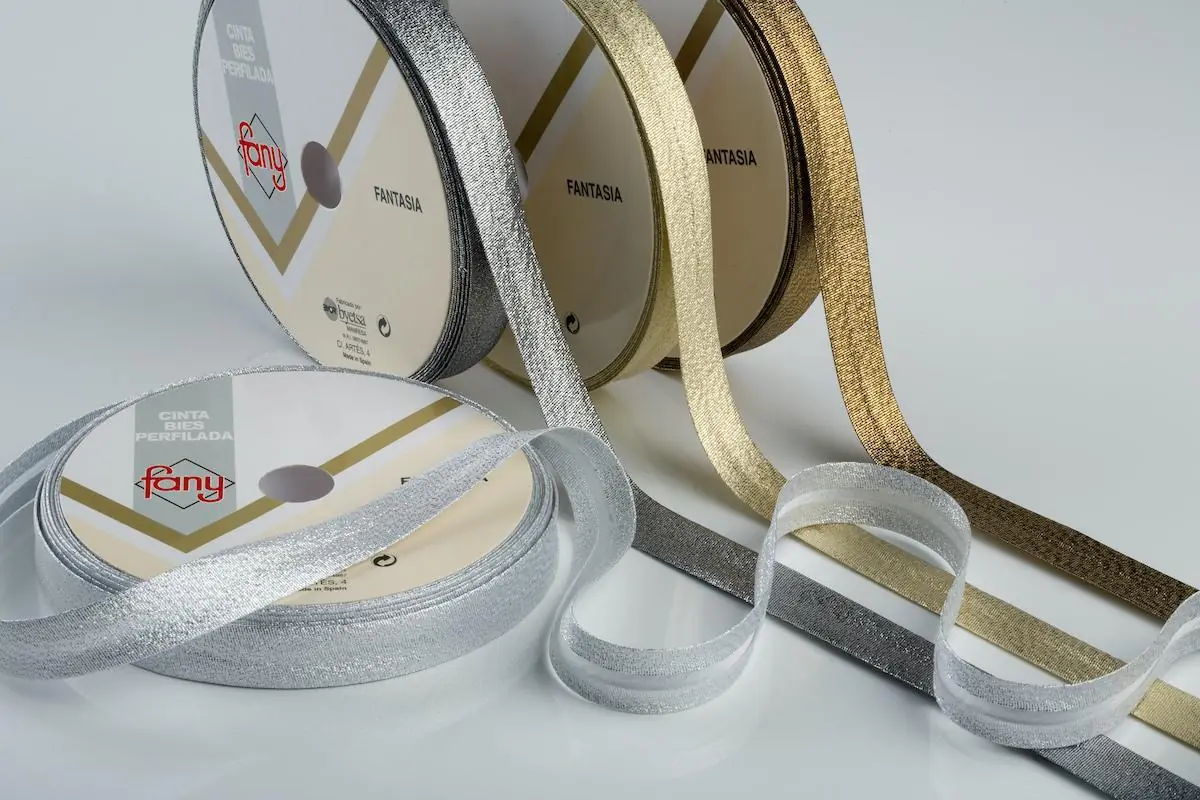
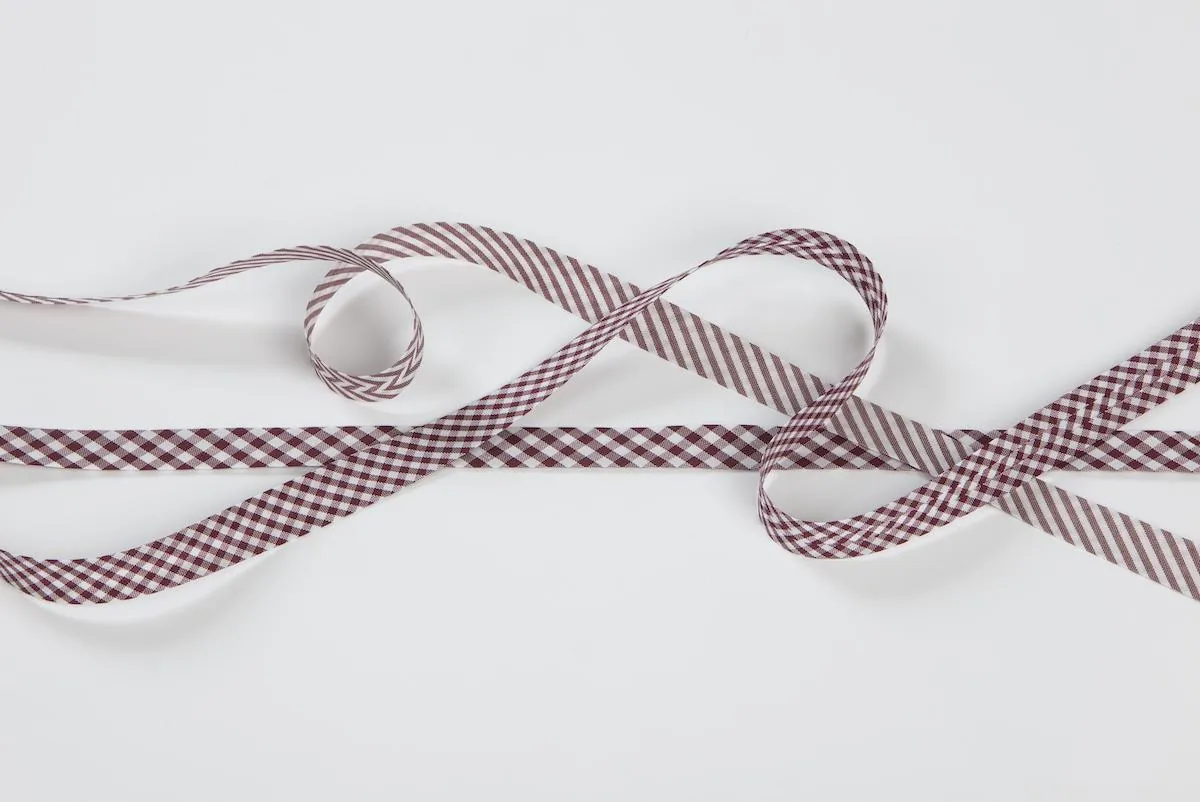
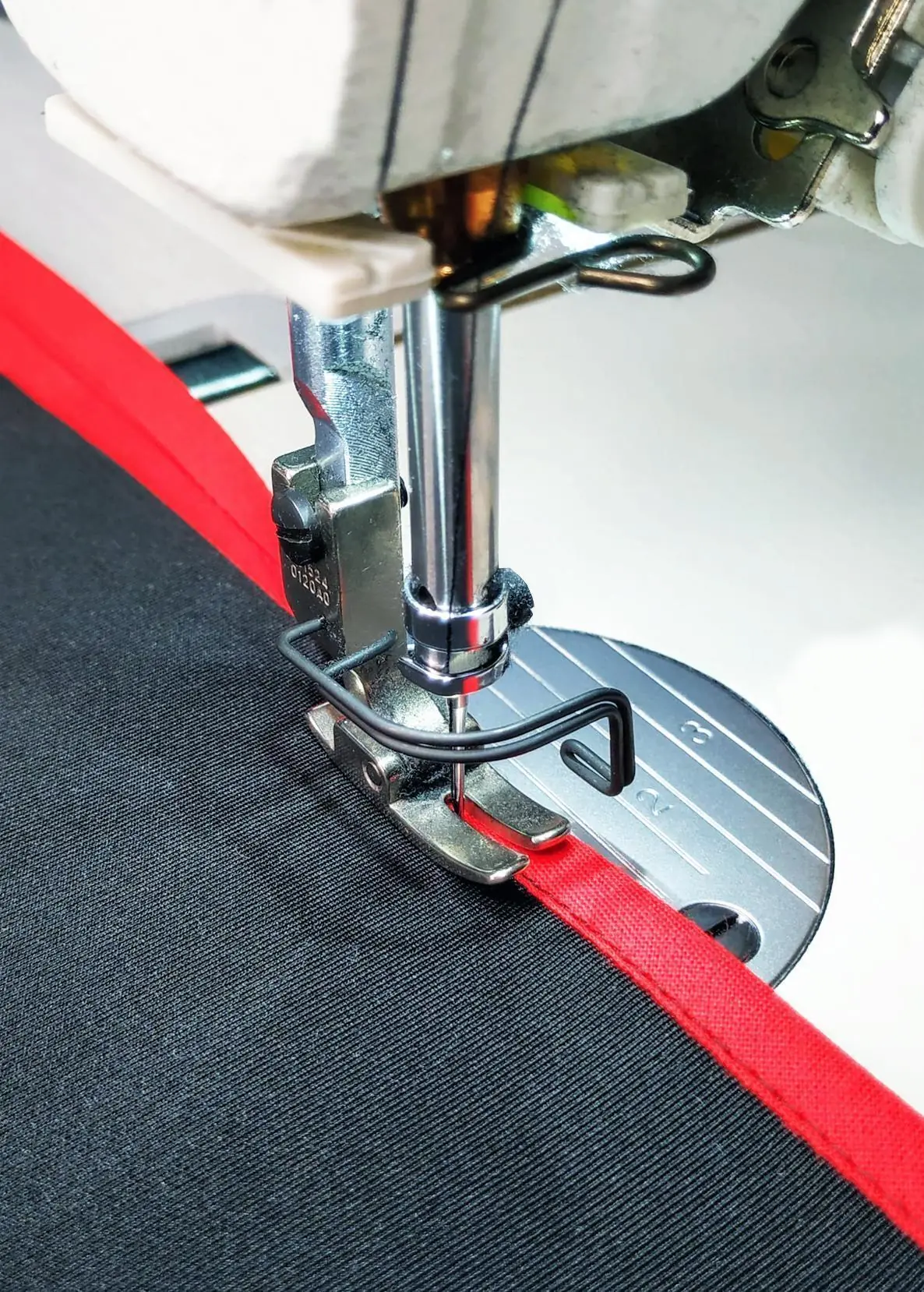
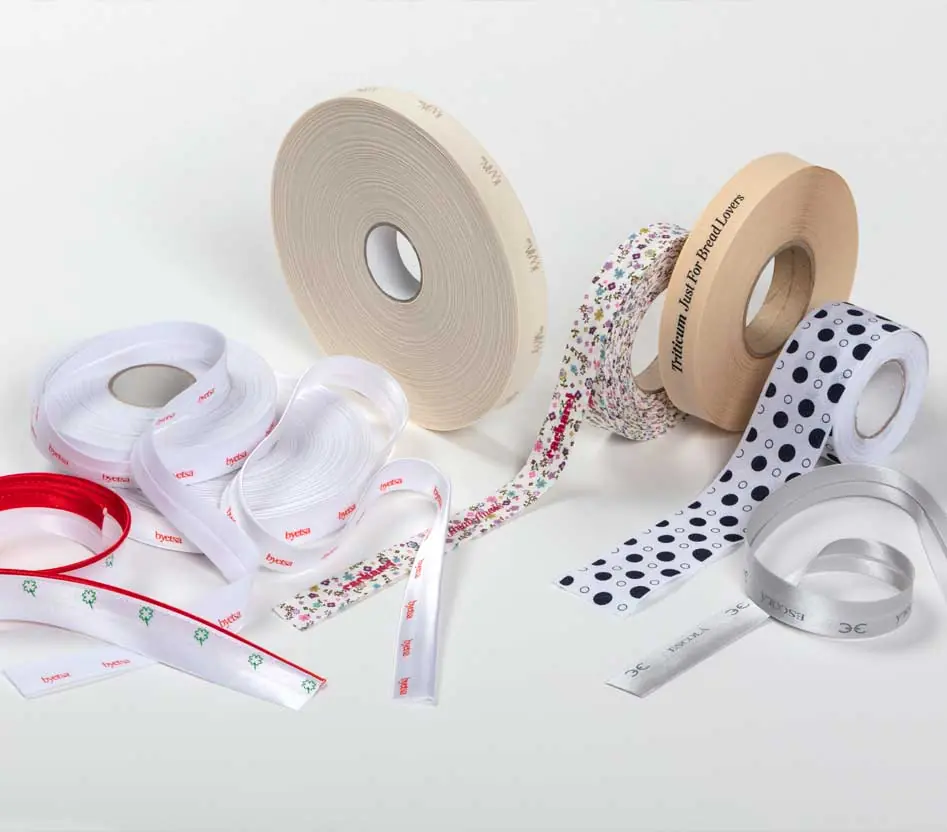
We are surrounded by bias bindings, and we do not produce
Interview with Francesco Zagnoni of Byetsa. He tells us about the company’s day-to-day work and the projects and challenges it has in hand.
 By Francesco ZagnoniPublished on Updated on 7 min read
Quick answer
Bias binding is found in garment making, household linen, mattresses, cushions and baby products. According to Francesco Zagnoni, Sales Manager at Byetsa, it makes it possible to join fabrics with curves or complicated profiles without the join showing or the fabric being forced.
Key points
- Byetsa, a company based in Manresa, has been manufacturing bias binding for more than half a century and has over 7,000 references.
- Its large raw material warehouse allows it to supply any reference within a week, even when making it from scratch.
- It works with suppliers in Catalonia because of their proximity: a smaller CO2 footprint and faster procurement.
- Haberdashery grew with lockdown and the boom in home sewing; industry is growing in a small but steady way.
- Geographical challenges: consolidating Mexico, making the leap to the United States and opening up the Polish market with distributors.
Byetsa: more than fifty years manufacturing bias tapes
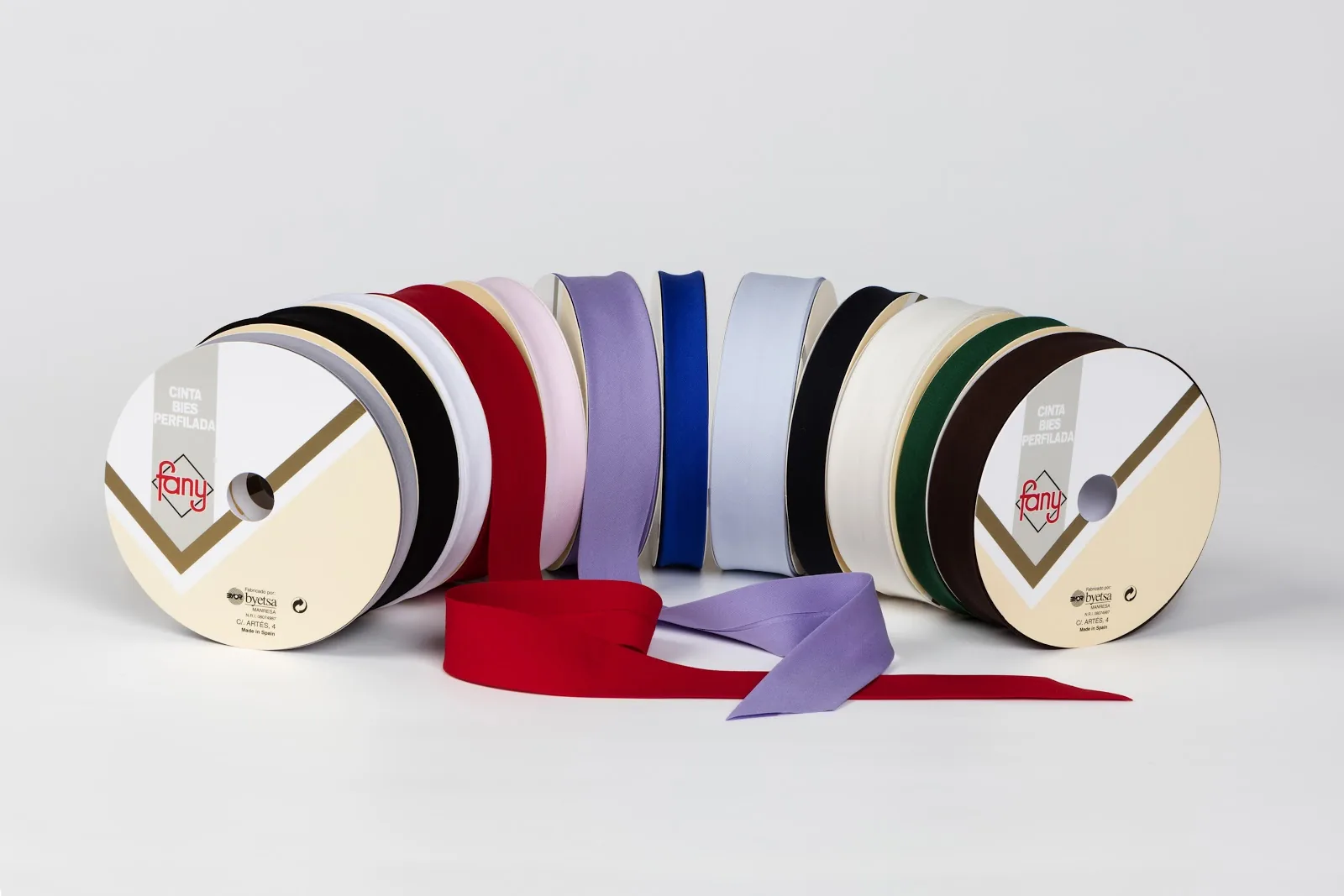
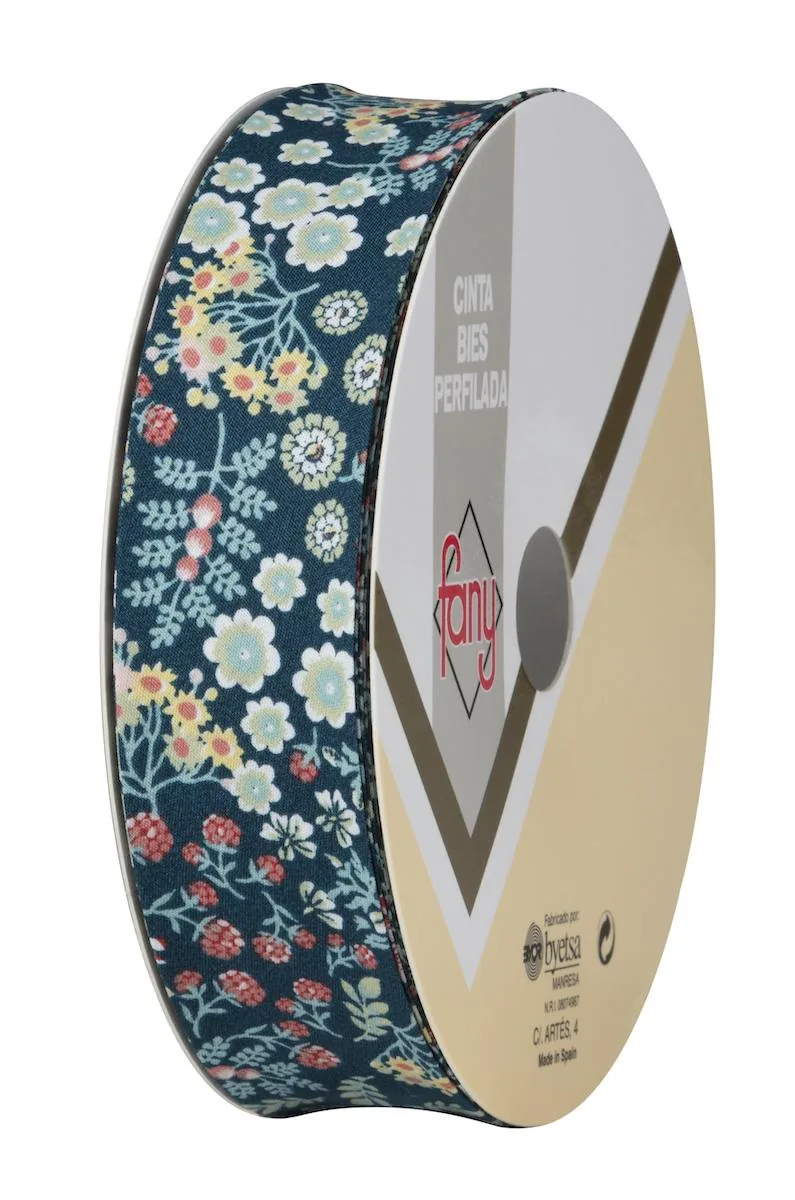
The world of bias binding may seem a small and even rather obscure sector to those who do not know it. Byetsa is a Manresa company that has been manufacturing bias tapes for more than half a century. Five decades of continuous growth, more than 7,000 references in the catalogue and an ever-growing list of satisfied customers. We explore the world of bias tape with Francesco Zagnoni, Sales Manager of Byetsa.
The world of bias binding is unknown to many people. In which sectors do these tapes have potential?
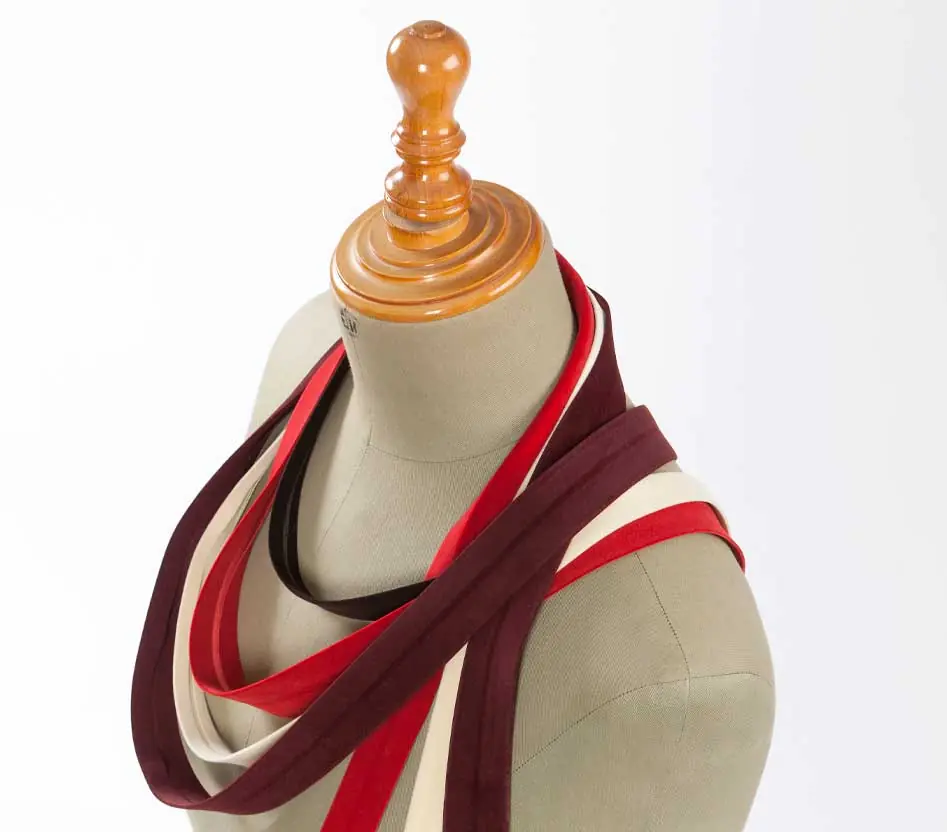
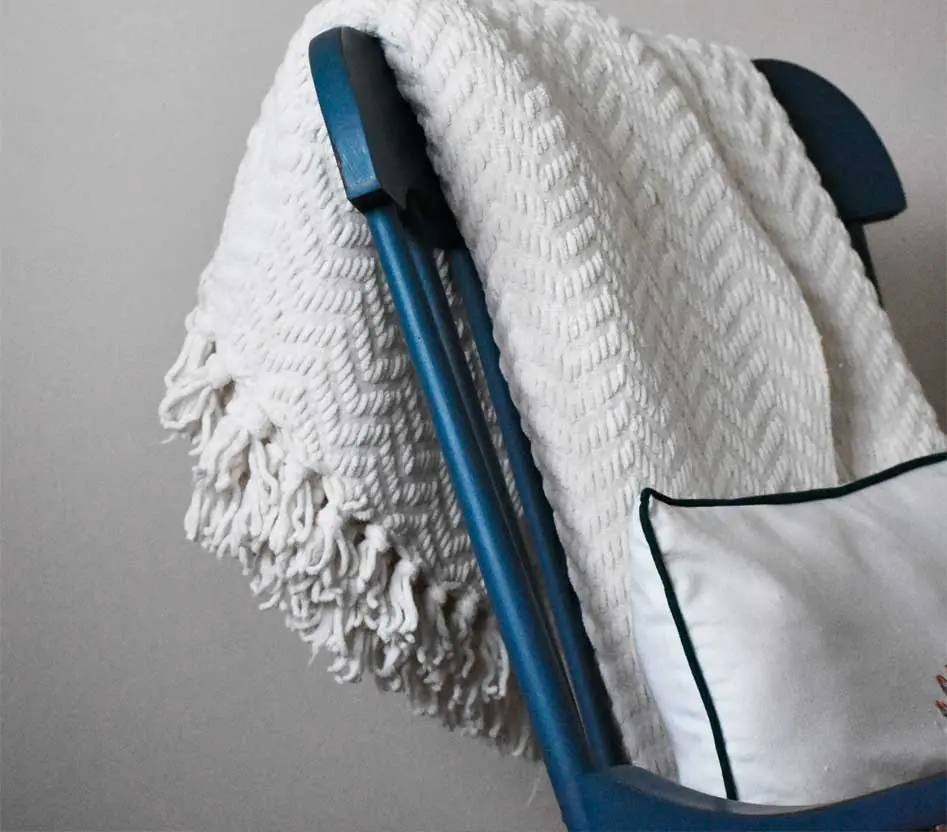
As generally happens with everything in the world of garment making, we are surrounded by bias binding all the time without realising it. Bias binding is found in clothing, in household linen and in furniture making, such as mattresses or cushions. In all sewn items, it is difficult to join two fabrics that are complicated because of their shapes, curves or profiles, and bias binding helps to do it well. It helps the join go unnoticed, keeps the fabric from being forced and creates good transitions. If we made a comparison with the world of cinema, bias binding would be the character who, despite not being the protagonist, plays an essential role in moving the film forward and making the plot possible.
Why do you decide to make a certain bias binding from one fabric and not another?
Well, we are guided to some extent by the demands of the market. The market may call for a fabric that we do not currently have and that customers are beginning to ask for. We look at the trends in the market and apply them to bias bindings. As bias binding is a necessary element in making a piece, if pieces are made from a certain fabric, bias bindings in that fabric will also be needed. For example, if pieces are made from organic cotton, the bias bindings must be organic cotton as well. In this particular case, we at Byetsa have seen a space, a market and a world that is moving towards these sustainable materials. And what have we done? We have created several lines of organic cotton bias bindings.
The large stock of raw materials makes it possible to handle orders quickly
Among many other things, you stand out for the speed with which you supply your products, even when you have to manufacture them from scratch because they are references you do not have in stock.
When a customer visits the factory, the first thing we do is take them to the warehouse where we keep the raw material. And customers are speechless because, of course, it is very impressive: they see the whole factory full of fabrics, in every colour and of every kind… From a company’s perspective, that is an investment. But it is also true that this investment and this capacity are what allow us, when a customer calls needing anything, to answer “OK, you’ll have it in a week”. Anything. And that is something people really like.
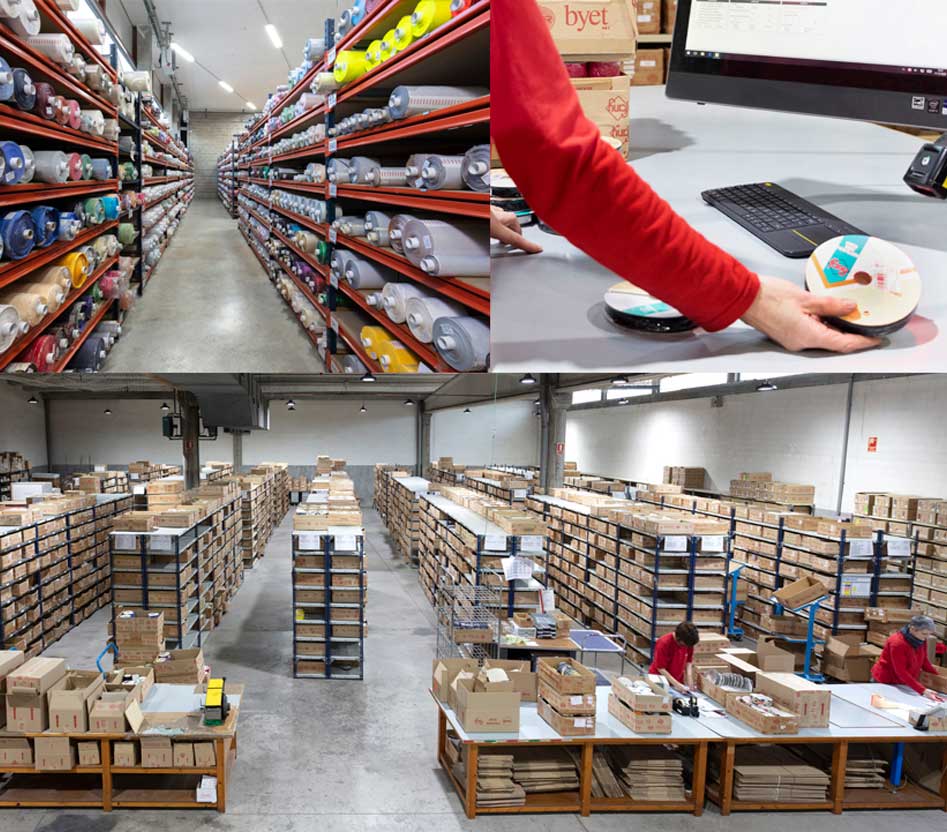
People are used to the fact that, in the textile world, lead times and fashions often do not match their needs. It is very rare for a buyer of textile items such as bias bindings to get a response like ours from a supplier.
For Byetsa, it is vital to ensure the availability of the materials that customers want in the market. Not just now, but in the future too. And since we are demanding, it is not enough for us to have the material: it has to be of the quality we require. So, it’s quite a search operation. We work with suppliers from Catalonia, and that is critical because of zero-kilometre sourcing and because we value Catalan industry. Zero-kilometre because the material is local and leaves a minimal CO2 footprint, and also because the supply time is much faster. We must also recognise that we have excellent, high-quality suppliers.
We have had relationships with our suppliers for decades, and that helps a lot; having built a network of suppliers that works well is vital, and we have it. At Byetsa, only when we are sure that we will be able to count on a raw material both now and in the future do we create the reference.
The sources of the material are tightly controlled and have been stable for years and years. We do not launch a reference or collection on the market without preparing it thoroughly; otherwise we would be gambling with our reputation and the established image of a serious company.
Everything has to be perfect: the colour, the fabric. No margin for error
In this whole process of choosing materials, designing and preparing bias bindings, very different professional profiles are involved…
Our team is essential. It is true that very specific profiles are involved. There is a very technical side to the textile world. For example, whoever buys the material has to be a great textile expert who analyses the fabric every time, every batch that arrives… Let me give you a very specific example from our day-to-day work so that it is clear: when a customer tells us “I want this colour” and sends us a sample so that we can find the colour that best matches it, there are team members dedicated to finding that exact colour. We have experts in colours, colouring and dyeing processes.
From the technical standpoint, we have different textile machines: transformation, sewing and also machines that are customised for us.
Do you have custom-made machines?
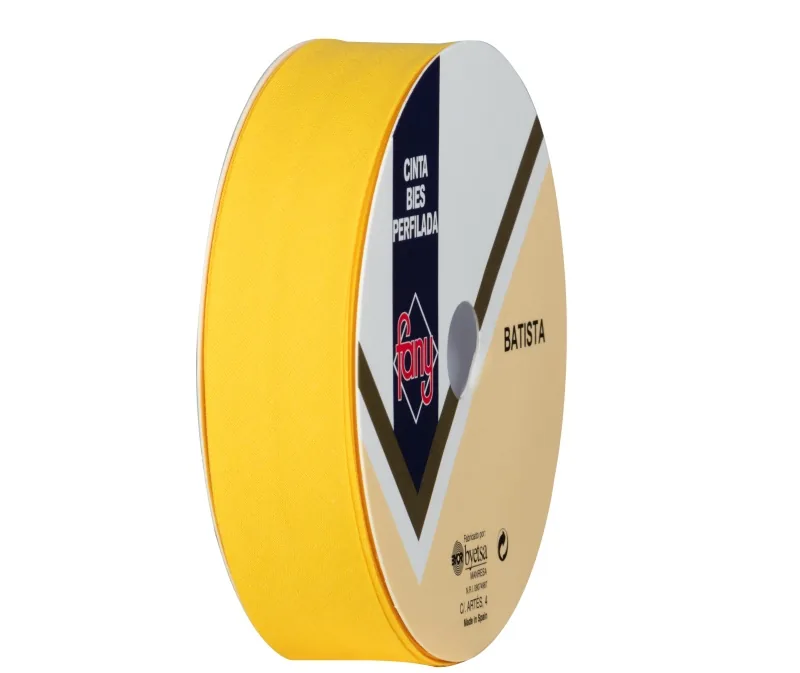
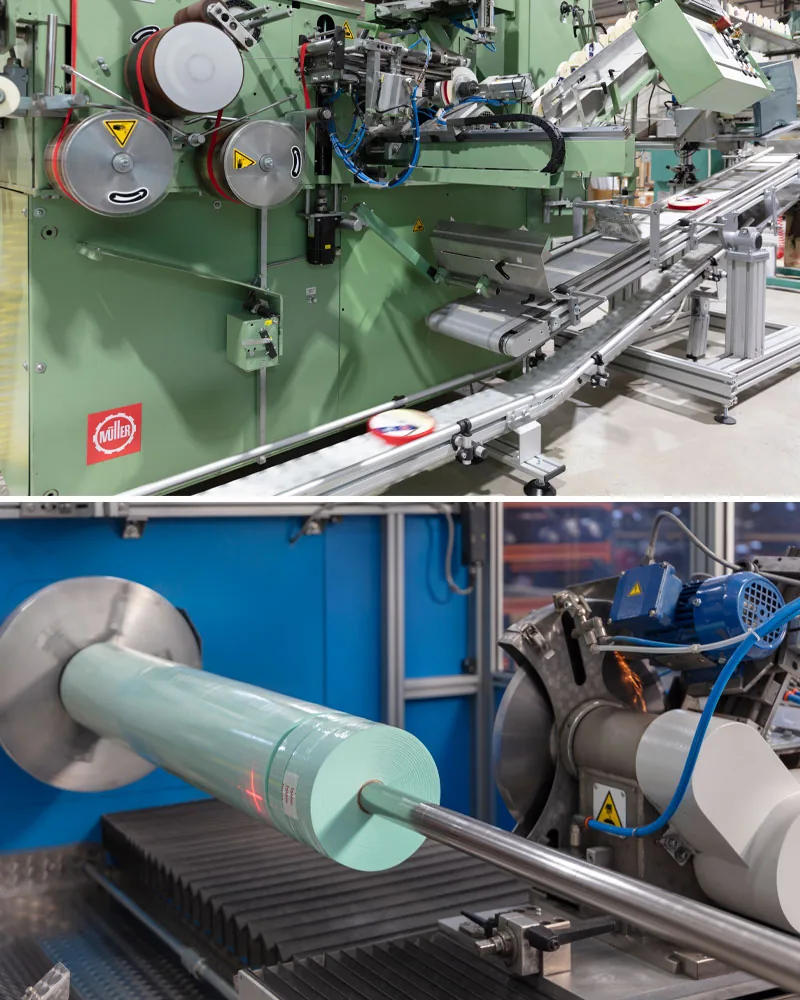
Yes, tailor-made. For example, we have a machine that, while creating the roll, also creates the core. In other words, we make our own packaging, a product we never buy; we only buy the printed disc with our logo, etc. The first part of the machine creates the plastic part and the second part rolls it up. The operators who run these machines are highly specialised. When they detect that something is not perfect, they raise the alarm and say “listen, the product is coming out like this, we stop, we continue…”. We have everything under tight control.
Fany and Bior: the two product lines
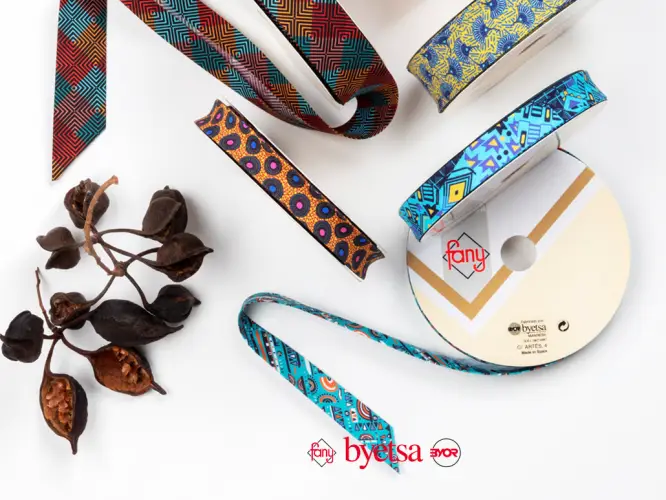
Byetsa has two product lines, Fany and Bior. Is your customer profile the same, especially in terms of geographical area, or are there markets that opt for one or the other?
Well, there are countries that are traditionally textile producers, and in these countries both lines normally work very well. There we have the industrial customer and the retail customer. There are other countries that do not have such a strong tradition of textile production; it depends. For example, Portugal is a large producer of household linen, and they also produce a lot of clothing. Their tradition of household linen is long-standing and they do it very well, so there is a lot of production there, as we know in Spain. In Italy there is a lot of textile production, and in France too.
England is a country where we sell a lot to haberdashery; there is production, but it is production of special items. Blankets for horses, things like that… The Nordic countries use bias binding much less because they work with wool and knitting, and bias binding is used less in these cases.
So, where there is a strong textile tradition, we can say that there are also strong sales of haberdashery materials. The haberdashery channel does not go on to the industrial producer; it goes to the private customer. Dressmakers, small producers of all kinds and craftspeople, who need small quantities, buy from the wholesaler or their trusted haberdashery.
How have sales of the two product lines evolved over time?
At Byetsa we look at the two separately and at how each has evolved. Industry is showing small but steady growth. Lately, many productions are returning somewhat to the value of the national product. Growth in demand from industry is small but steady. As for haberdashery, Byetsa had huge sales during lockdown and COVID-19, which generated a considerable increase in demand from individuals who did not know what to do at home. There is also an increase in Do It Yourself, with more people looking for an activity that fills their time and allows them to make their own unique creations. The whole philosophy of doing things yourself, repairing and giving pieces a second life is gaining strength. Remodelling and transforming pieces is gradually coming back. We are seeing a lot of success in workshops and points of sale that teach sewing, and we have started to serve them quickly.
Where is Byetsa’s future heading?
Your star product is bias tape, but have you thought about marketing any product derived from it?
I wouldn’t rule it out. We are open to exploring new paths and are evaluating possibilities. The future will surely bring us a project of this kind.
Speaking of future scenarios: what is the next challenge geographically?
Right now we are trying to consolidate one of the projects we are pursuing, which is to strengthen our presence in Mexico and make the leap to the United States. And this is a great project. Another smaller project we have is Poland, where we are trying to build relationships with distribution companies and expand the market.
Bias binding has been with us since we were born. One of the biggest uses of bias binding is in baby products. We are surrounded by bias bindings from the day we are born, and very often we are not aware of it.
We make what you need
Looking for bias binding for your production or your haberdashery?
Frequently asked questions
01Which products use bias binding apart from clothing?
As well as in garment making, bias binding is found in household linen and in soft furnishings such as mattresses and cushions. One of its widest uses is in baby products. In any sewn item where fabrics with shapes, curves or complicated profiles have to be joined, bias binding helps the join go unnoticed and keeps the fabric from being forced.
02How long does Byetsa take to supply a reference it does not have in stock?
According to its Sales Manager, Francesco Zagnoni, Byetsa can supply an order within a week, even when it has to make the reference from scratch. That speed is based on a large raw material warehouse, with fabrics of every colour and type, and on a network of suppliers with whom it has had relationships for decades.
03Why does Byetsa work with local suppliers?
Byetsa works with suppliers in Catalonia for two reasons: local, or zero-kilometre, material leaves a very small CO2 footprint and procurement is much faster. It also values Catalan industry and has decades-long relationships with these suppliers. It only creates a reference when the raw material is secured for both the present and the future.
04Can Byetsa match the colour of a bias binding from a sample?
Yes. When a customer sends a sample with the colour they need, part of Byetsa’s team is dedicated to finding that exact shade. The company has experts in colours, colouring and dyeing processes, as well as textile technicians who analyse every batch of fabric that arrives at the factory before it is used in production.
05Does Byetsa manufacture organic cotton bias binding?
Yes. Byetsa noticed that the market was moving towards sustainable materials and created organic cotton bias binding lines. The logic is simple: if an item is made in organic cotton, its bias bindings should be too. The company follows market trends and requests to decide which fabrics to develop new bias binding references in.
Related articles

New year, new challenges: a review of 2022 and our goals for 2023
At Byetsa, we want to say goodbye to the year by sharing a review of the objectives achieved in 2022 and presenting the new challenges we have set for
Read article
Sectors we have worked with the most in 2021
Buy bias binding wholesale at Byetsa. Discover the sectors we worked with most in 2021. Byetsa: more than 50 years manufacturing the best bias binding on the market.
Read article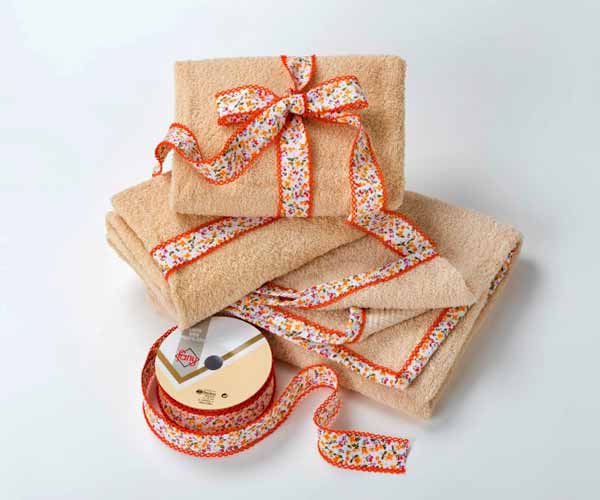
We are a benchmark bias tape manufacturer in a long list of countries and sectors
Bias tape manufacturers. Exports, growth and the sectors we usually work with at Byetsa. Ask for information with no obligation.
Read articleDo you have a question about bias binding?
If you have any questions about our products or need personalised advice, please do not hesitate to contact our team. We are here to help you in any way we can. Write to us!
- Phone93 874 40 98
- Emailinfo@byetsa.es
- AddressC/ Artés, 4 · Pol. Ind. Els Dolors · 08243 Manresa (Barcelona)
Tell us what you need
We will reply with the right reference, format and width for your production.