


How can we minimise the carbon footprint when manufacturing bias binding products?
How we minimise the carbon footprint in the manufacture of bias binding at Byetsa. Our commitment to the environment is unquestionable.
 By Francesco ZagnoniPublished on Updated on 3 min read

Quick answer
Byetsa reduces the carbon footprint of its bias bindings with three measures: suppliers located between 5 and 100 km from its plant, cardboard packaging for haberdashery for forty years, and recycling of manufacturing waste to produce other fabrics.
Key points
- All of Byetsa’s suppliers are between 5 and 100 km from its plant, which reduces fuel consumption.
- This proximity reflects the glocal philosophy: think global, act local.
- Byetsa pioneered the use of cardboard packaging in its haberdashery ranges forty years ago.
- Manufacturing waste is sent for recycling so that it can be used to make other fabrics.
- It holds the Ecoembes certificate, which endorses the efficiency of its waste management model.
Discover the extent of Byetsa’s commitment to the environment
How to minimise the carbon footprint is one of the most important challenges facing companies today. Minimising the impact of the manufacture of any product on the environment can sometimes be a complex task. Consumers value sustainability more and more every day, and this has a huge influence on which companies they choose as suppliers of goods or services.

At Byetsa, we are no strangers to this paradigm shift. In fact, we have been working hard for years to develop our bias tape catalogue with a view to minimising our carbon footprint. In our company, we do not focus on sustainability and conscious production and consumption as a marketing gimmick; we do it out of conviction. In fact, we have been doing so for many years now.
How to minimise your carbon footprint? With our bias binding “made in Barcelona”
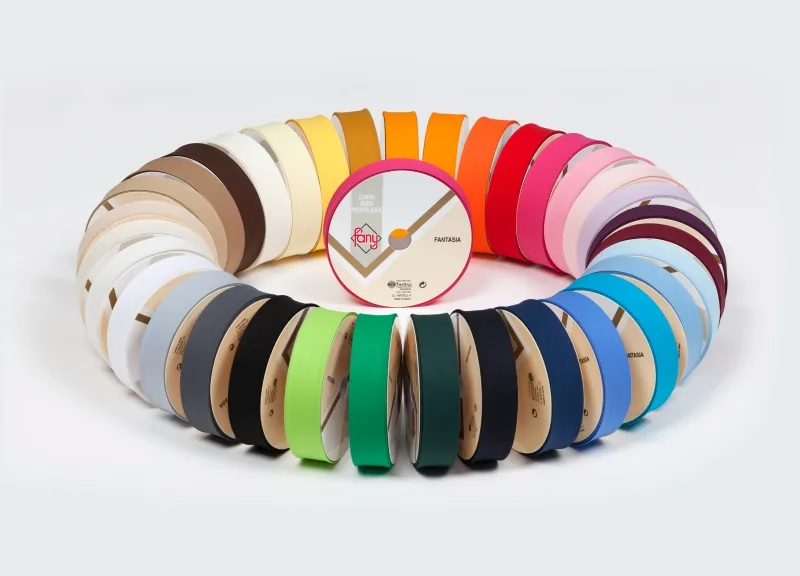
The enormous variety and types of bias tape that we manufacture at Byetsa can be labelled “made in Barcelona”. This is because our suppliers are all located within a range of 5 to 100 kilometres from our production plant. This proximity allows us to reduce our carbon footprint, as less fuel is consumed than if the raw materials were sourced from other countries.
This proximity to our suppliers is part of the GLOCAL philosophy, which means: think global, act local.
How can we minimise our carbon footprint? With sustainable packaging
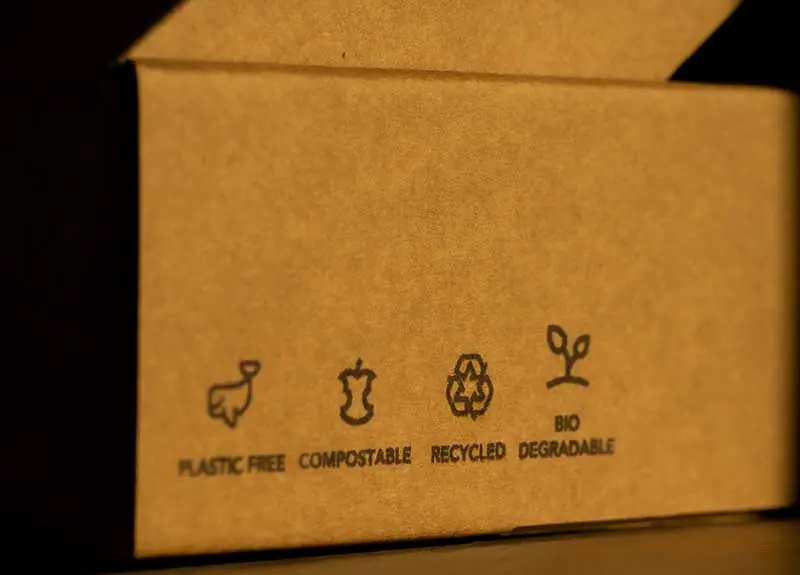
Not generating any type of waste in the manufacture, distribution, and marketing of bias binding for the industrial sector and for haberdasheries is very difficult. The packaging in which the products are distributed is the link where we can do most to reduce the environmental impact. In fact, it has become very fashionable to cut unnecessary plastic packaging or to use more sustainable materials such as cardboard.
For us at Byetsa, this is neither new nor a trend we need to follow. It’s something we already have in our DNA: we were pioneers in using cardboard packaging in our haberdashery product ranges forty years ago.
How to minimise your carbon footprint? With proper waste management
Minimising the carbon footprint in any manufacturing or production process also involves managing waste correctly and sustainably. At Byetsa we are well aware of this and that is why we send the waste resulting from our manufacturing process to be recycled so that it can be used in the manufacture of other fabrics. And not only this, but we have the OEKO-TEX certificate and the ECOEMBES certificate, which guarantee our optimal sustainable production and our correct waste management.
What is the OEKO-TEX certificate?
This certificate guarantees and verifies that no harmful substances are used in textiles or in any of the production stages of a product.
OEKO-TEX guarantees that none of the chemical substances on the list of substances harmful to health or in the European Chemicals Regulation are used. The products are subjected to various tests before they are certified.
For customers, the fact that all Byetsa products have this certificate means that they do not have any harmful effects on their health.
What is the ECOEMBES certificate?
The ECOEMBES certificate guarantees the efficiency of the waste management model used by the company, in this case, Byetsa.
At Byetsa, we take care of the environment, and we are committed to sustainable production
If you would like Byetsa to be one of your trusted suppliers, do not hesitate any longer and contact us. Call us on 93.874.40.98 or write to us at info@byetsa.es.
We make what you need
Looking for bias binding for your production or your haberdashery?
Frequently asked questions
01Where are Byetsa’s raw material suppliers?
All of Byetsa’s suppliers are located between 5 and 100 kilometres from its production plant, so its bias bindings can be considered ‘made in Barcelona’. This proximity reduces fuel consumption compared with importing raw materials from other countries and, as a result, reduces the carbon footprint.
02What type of packaging does Byetsa use for haberdashery products?
Byetsa uses cardboard packaging in its haberdashery product ranges and pioneered it forty years ago, before reducing plastic became a trend. Packaging is one of the links in the chain where the most can be done to reduce the environmental impact of distribution.
03What does Byetsa do with the fabric waste generated by manufacturing?
The waste from the manufacturing process is sent for recycling so that it can be reused in the manufacture of other fabrics. This waste management is part of Byetsa’s strategy to reduce its carbon footprint, together with the use of local suppliers and cardboard packaging for haberdashery.
04What does the Ecoembes certificate guarantee for a textile company?
The Ecoembes certificate endorses the efficiency of the waste management model the company applies. In Byetsa’s case, it complements other environmental measures, such as recycling production waste, cardboard packaging and buying raw materials from suppliers located less than 100 kilometres from its plant.
05What does the glocal philosophy mean when applied to bias binding manufacturing?
Glocal sums up the idea of ‘think global, act local’. At Byetsa, this translates into working with suppliers close to its plant, located between 5 and 100 kilometres away, instead of bringing in raw materials from other countries. This reduces transport and, with it, the carbon footprint associated with manufacturing its bias bindings.
Related articles

Byetsa: a leader in bias tape, exporting its products all over the world
Bias tape factory. Discover Byetsa's facilities, production capacity and way of working, committed to its customers.
Read article
The Importance of OEKO-TEX Certification in Children’s Textiles
Discover why OEKO-TEX Standard 100 Class I certification is vital in children's textiles. Ensure chemical safety and industrial competitiveness with Byetsa.
Read article
We are surrounded by bias bindings, and we do not produce
Interview with Francesco Zagnoni of Byetsa. He tells us about the company’s day-to-day work and the projects and challenges it has in hand.
Read articleDo you have a question about bias binding?
If you have any questions about our products or need personalised advice, please do not hesitate to contact our team. We are here to help you in any way we can. Write to us!
- Phone93 874 40 98
- Emailinfo@byetsa.es
- AddressC/ Artés, 4 · Pol. Ind. Els Dolors · 08243 Manresa (Barcelona)
Tell us what you need
We will reply with the right reference, format and width for your production.