
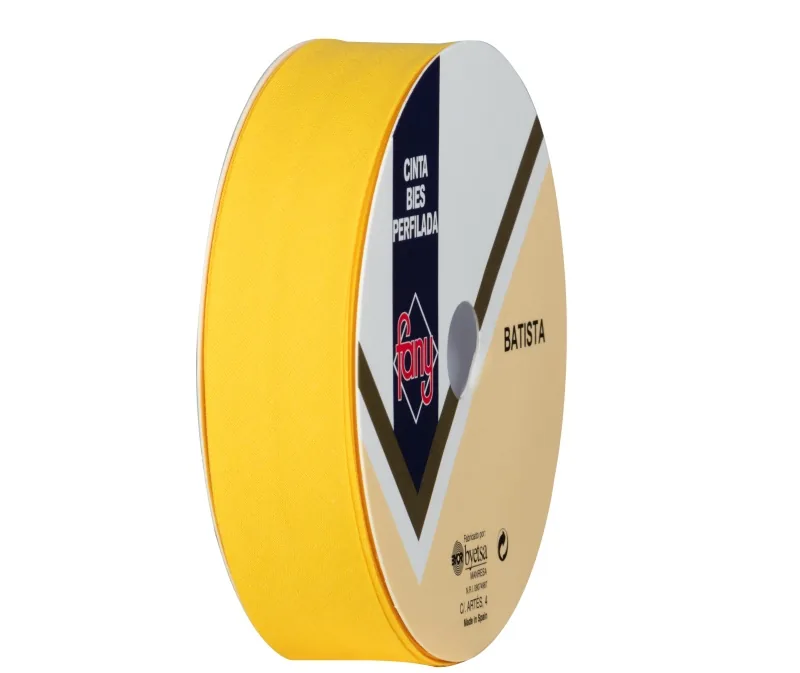
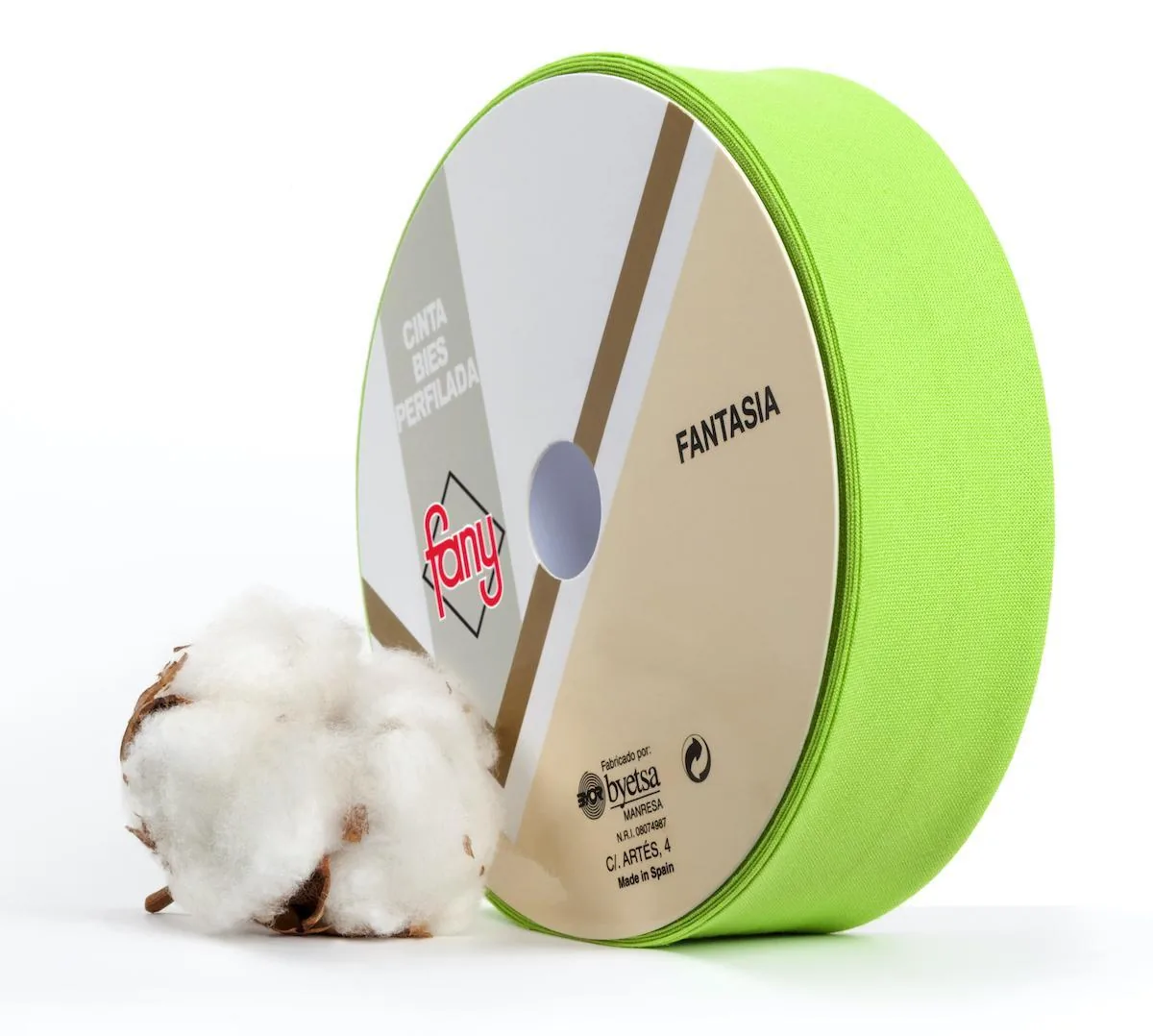
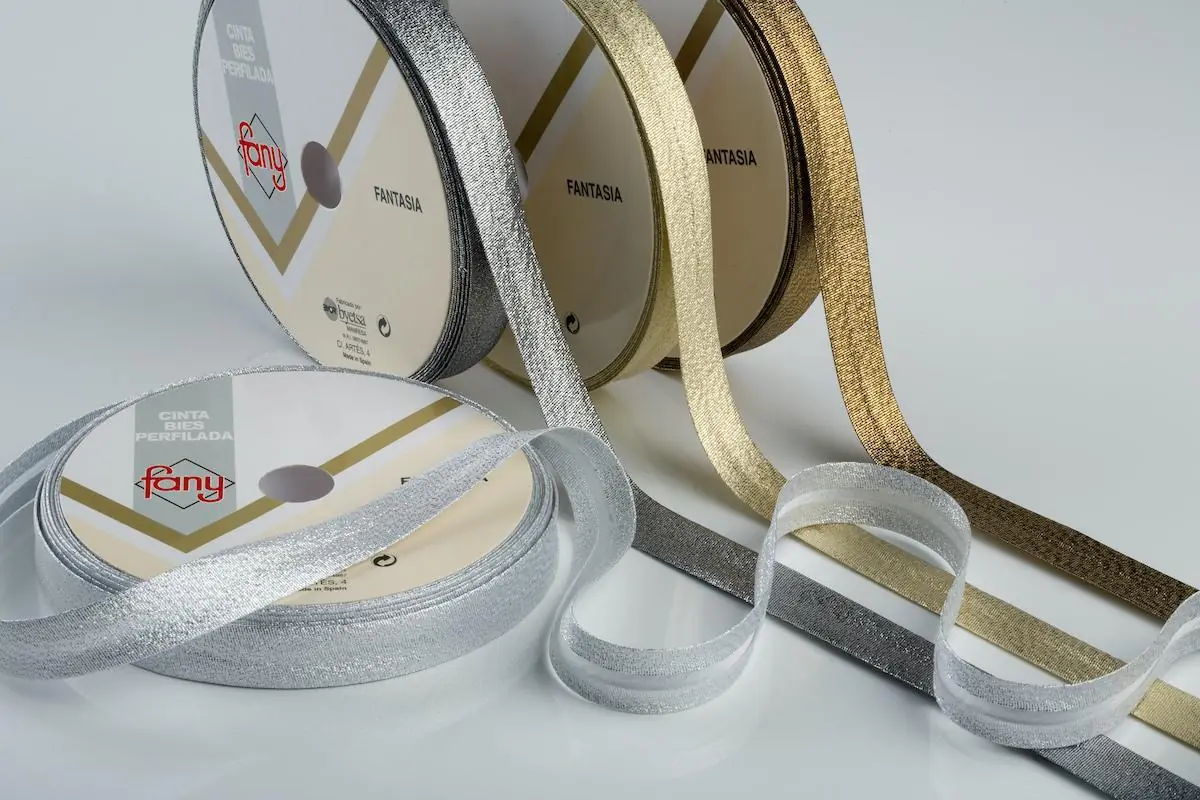
Types of stitching for Byetsa bias tape
Types of stitching for bias tape. Discover their characteristics, uses and other interesting information in this extensive blog post.
 By Francesco ZagnoniPublished on Updated on 8 min read
Quick answer
There are eight main types of seam for bias binding: superimposed, lapped, bound, flat, decorative, edge finishing, joining of separate elements and simple construction. The reference standard for seams is ISO 4916:1991.
Key points
- ISO 4916:1991 replaces the old basic classification with eight main types of seam.
- Bound seams fold the binding over the edge and give a clean finish, suitable for shirt necklines.
- Flat seams butt the edges together without overlapping them and reduce bulk in underwear and corsetry.
- Edge-finishing seams need elastic bias binding to follow curves without distorting the material.
- Quality depends on size, seam slippage strength and seam strength, as well as on the thread and the bias binding.
Types of bias tape seams most commonly used today
To achieve a quality finish, regardless of the type of bias binding seam used, it is essential to have top-quality bias tapes.
At Byetsa, we have been specialising in bias tape manufacturing for over fifty years, and we know perfectly well what characteristics a bias tape must have to be of good quality.
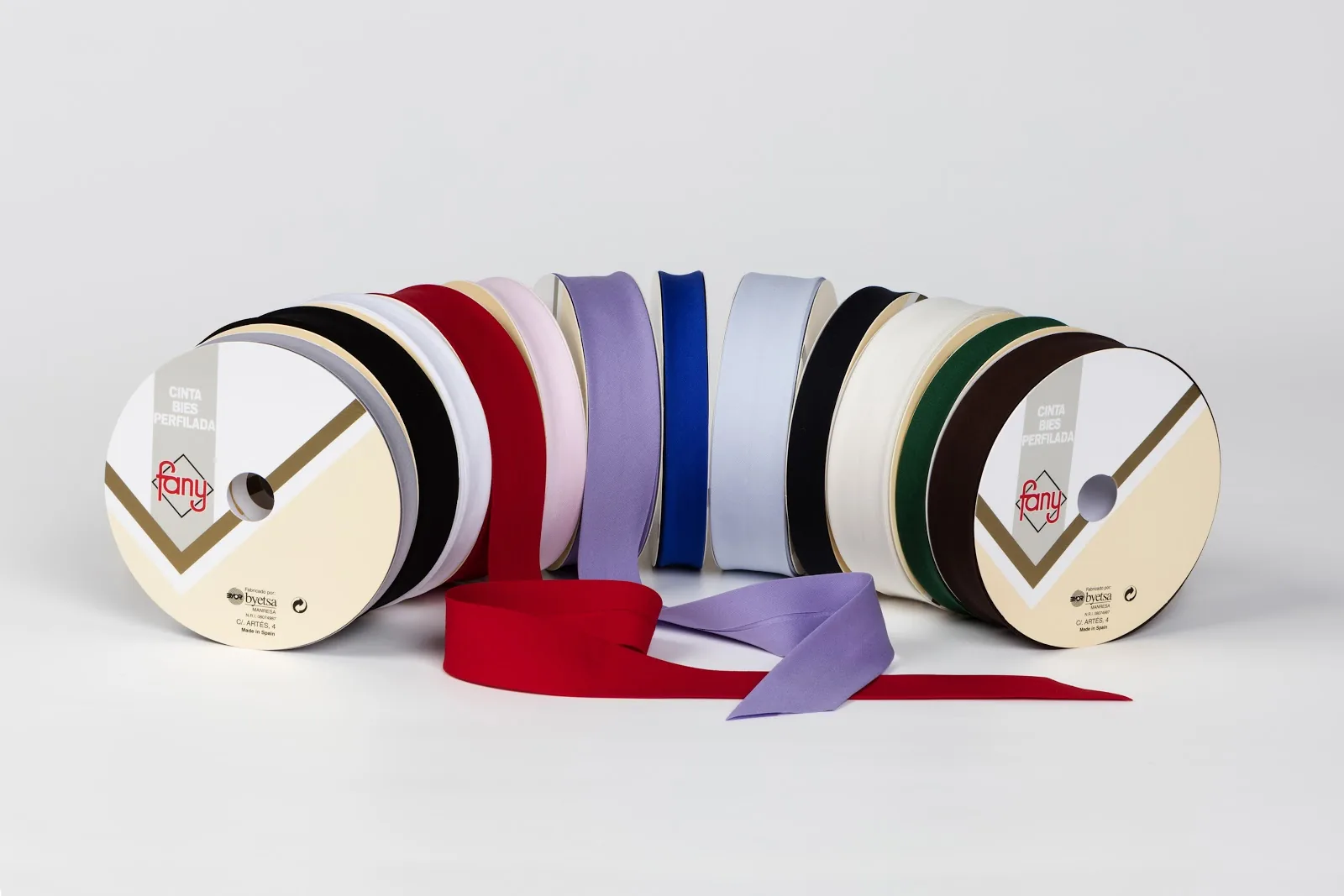
We have two basic product lines: Fany and Byor, to meet existing market needs across various sectors such as home, fashion, consumer goods, packaging, and industry.
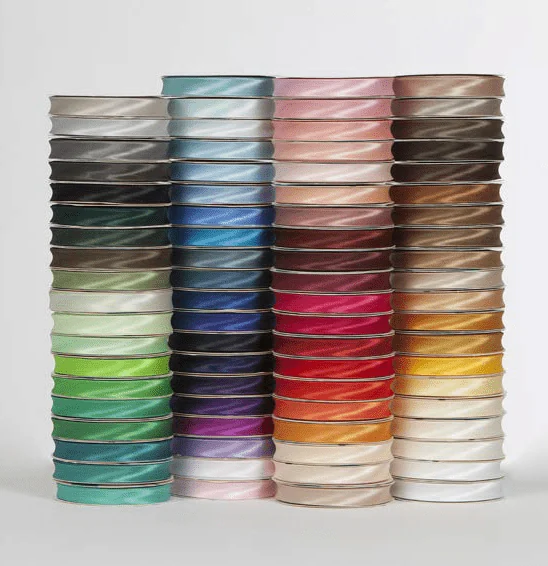
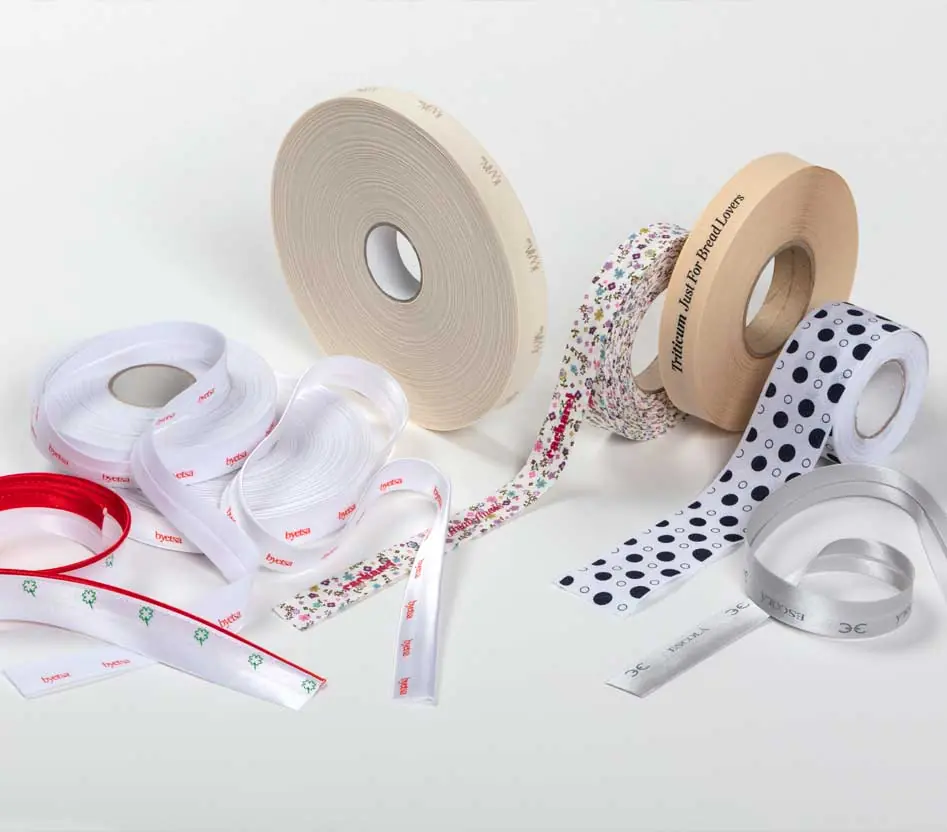
We have a catalogue of over 7,000 references, ranging from classic designs to the most current ones. And not only that, but we also offer our customers the possibility of manufacturing fully customised bias tapes.
It is no coincidence that our tapes meet the quality standards of ISO regulations for all types of bias binding seams: Byetsa’s commitment to quality is unquestionable.
Types of bias binding seams: what are they and how are they classified?
Before delving into the various categories of bias binding seams, it is essential to understand the nature and function of seams. First, let’s define the term: a seam is the result of joining two or more pieces of fabric, leather or other materials through consecutive stitches.
These joins are essential in the world of design and garment making, and the versatility of Byetsa bias tapes is such that it caters to the demands of an impressive variety of sectors and industries.
A quality seam should not only be aesthetically pleasing but also functional and durable. In this regard, it is crucial to adhere to international standards, particularly the ISO 4916:1991 standard.
Whereas before this standard seams were categorised in a more basic way – such as flat, overlapped, stitched and edge-finished – the modern classification has evolved and become more comprehensive. It now includes eight main types of seam, which we will analyze in detail below.
Superimposed seams
Superimposed seams are a classic method in the world of garment making, where two or more pieces of material are overlapped before being joined. This technique involves sewing close to the edge, often using one or multiple rows of stitches, depending on the design need and desired durability.
This type of stitching is highly appreciated for the neat and clean finish it provides, and it is especially popular in delicate garments like lingerie.
Furthermore, it is a common choice for T-shirts and other garments seeking a subtle and tidy finish without any bumps or rough edges in the seams. The choice of thread and sewing technique can vary depending on the material and the specific application of the garment.
Lapped seams
In lapped seams, two or more materials are overlapped and joined together with one or more rows of stitches. Within this type of seam, there are several options:
- Flat: A strong seam with fabric edges, commonly used to reinforce jeans or garments prone to fraying.
- French: Used for rainwear, jackets and dresses.

Bound seams
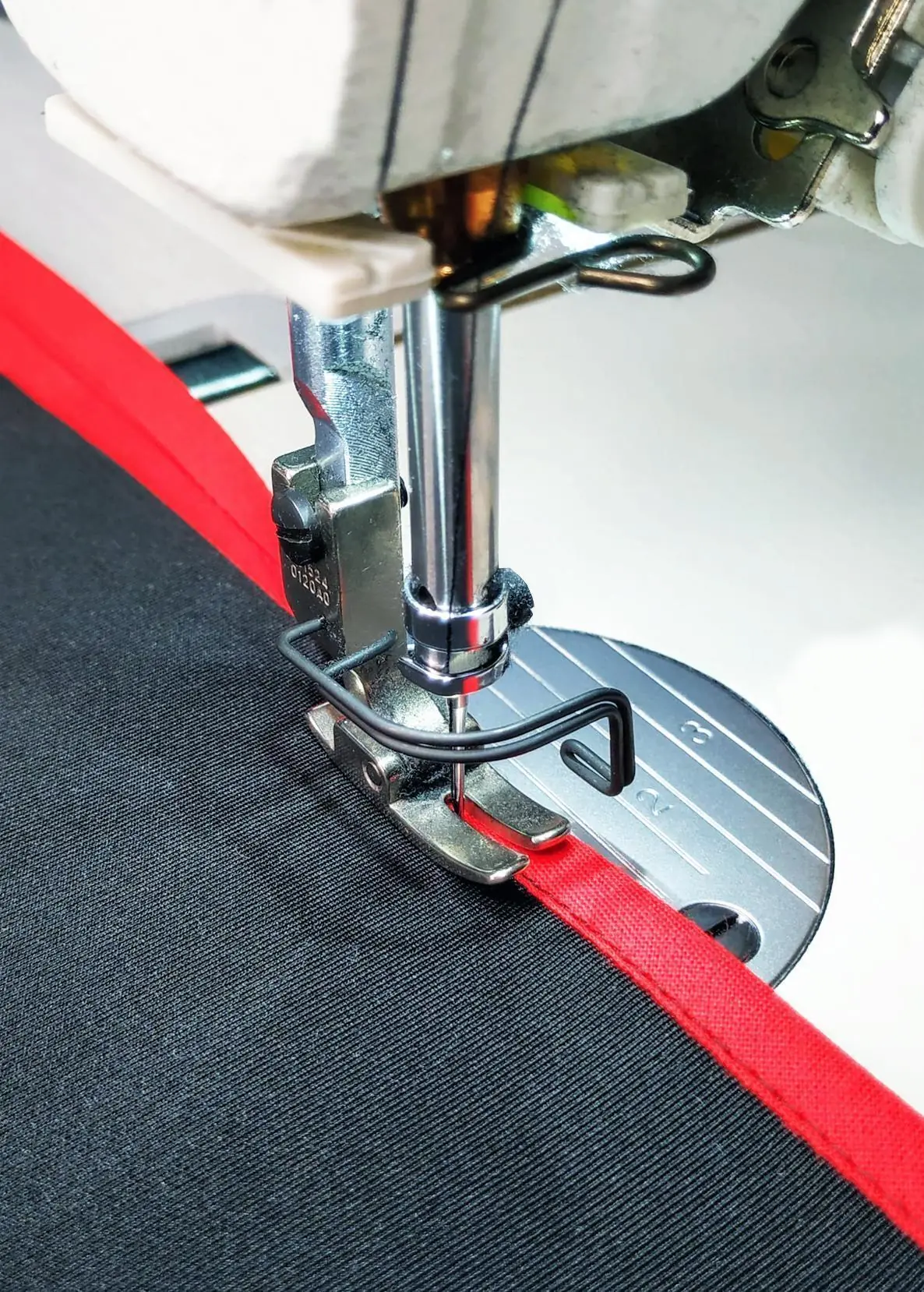
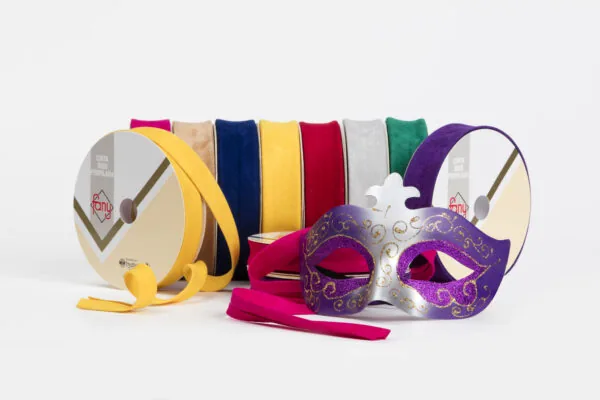
Bound seams are a refined technique that involves folding a binding strip over the edge of the material pieces to be joined. This technique not only provides a strong bond but also an aesthetic finish.
Once the binding strip is properly folded, both edges of it are stitched to the material using one or more rows of stitching, ensuring a perfect and uniform seal.
The result is a clean and neat edge that, due to its beauty and precision, can be left exposed without fear of it detracting from the garment. This type of stitching is especially appreciated in details like shirt necklines, where presentation and finish are paramount.
Flat seams
Flat seams are a special sewing technique where two fabric edges are aligned and joined through meticulously placed stitches. Instead of overlapping the edges as in other techniques, they are butted together, meaning they are placed side by side in a straight line and then stitched.
This technique is essential in garments where minimising volume or thickness is crucial, such as in underwear or corsetry. By using flat seams, a smooth and flat junction is achieved, allowing the fabric to sit properly, avoiding discomfort or unwanted bulges, and providing the garment with a professional and comfortable finish for the wearer.
Decorative seams
Decorative or ornamental seams represent a distinct category of bias binding seams, serving not only as a functional means of joining but also as an added aesthetic element.
In these sewing techniques, the edges are embellished and protected through overcast stitches, providing an elegant and intricate finish. Their primary purpose is to provide refined edge finishes and they are often the preferred choice for creating polished hems or those “invisible” hems that are essential in garments where seams should not be visible, such as in fly fronts or inner linings.
These seams not only ensure the durability of the garment but also enhance its appearance, making it a piece of both aesthetic and functional design.
Edge-finishing seams
Edge-finishing seams are a particularly delicate and detailed technique that involves a series of meticulous stitches executed along a predefined line or following an intricate ornamental pattern on a fold of the fabric. This approach allows the design to stand out, imparting distinctive texture and aesthetics to the garment.
What makes this type of seam particularly unique is the need for elastic bias tape, as it provides the required flexibility for the stitches to conform without distorting the material.
Thanks to the inherent elasticity of bias tape, edge-finishing seams can embrace curves and contours, achieving a finish that combines beauty with functionality in garment making. It’s a technique that highlights both the skill of the seamstress and the versatile properties of the bias tape used.
Articles that might interest you:
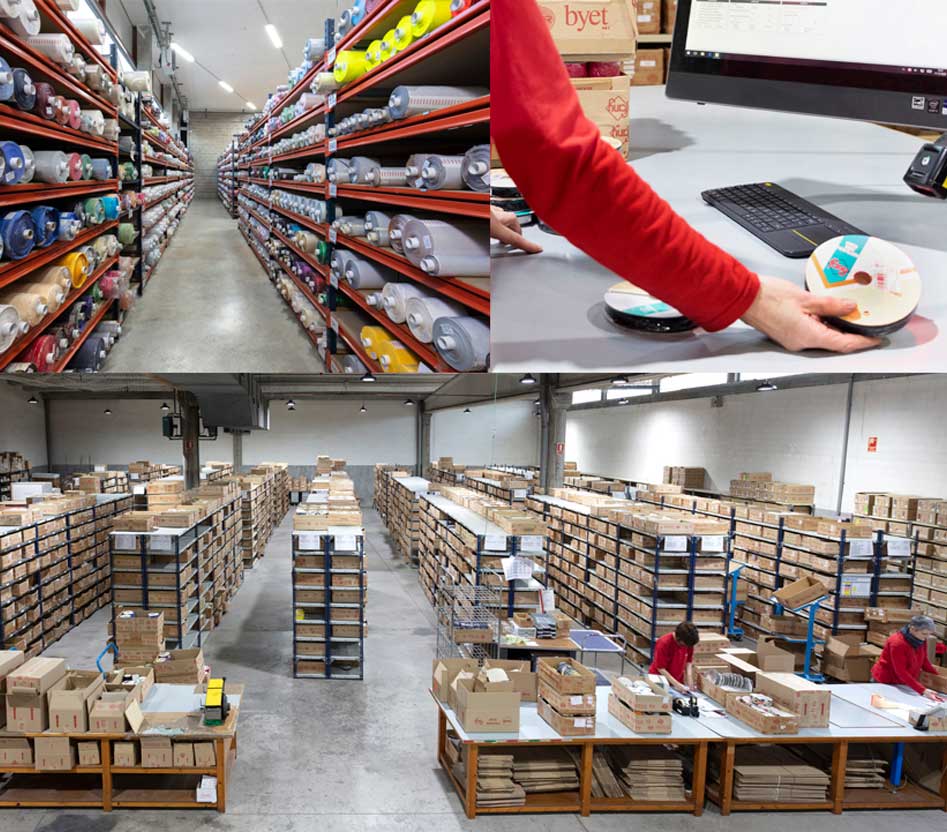
- A small tour of our warehouse with thousands of different fabrics at your disposal
- Our FANY product line: Tired of always having the same bias bindings in your haberdashery?
- Our BIOR product line for industry: why choose us as your wholesale bias binding supplier?
- How to make bias tape, and what can Byetsa offer you?
- Bias tape for towels: here are some suggestions that might interest you this summer
Joining separate elements
The technique of joining separate elements is a speciality within the sewing world that focuses on the precise connection of pieces that are initially separate. To achieve this union effectively and ensure its durability and flexibility, it is essential to incorporate additional components on the edges of the pieces to be joined.
One of the most common examples of these components is elastic tapes, which not only facilitate the joining but also provide adaptability to the material, allowing it to stretch and retract without compromising the seam’s structure.
This technique is ideal for garments or items that require a certain degree of mobility or flexibility in their joints, ensuring that the finish is both functional and aesthetically pleasing. It’s a method that combines skill, precision, and the use of high-quality materials to achieve optimal results.
Simple construction
Simple construction is a sewing technique that, despite its name, requires precision and care. In it, a single piece of fabric is folded or manipulated in such a way that it creates two well-defined edges.
This method is particularly useful in creating elements such as loops, which require a clean and durable finish despite their simplicity. It is one of the fundamental techniques in sewing, as it serves as the basis for many other types of more complex constructions.
While it may seem simple, achieving a professional and durable finish requires the correct choice of fabric and meticulous execution, ensuring that the piece retains its shape and function over time. It is undoubtedly a testament to how the basics can be essential in the world of design and garment making.
What does the quality of bias binding seams depend on?
The quality of bias binding seams is not an aspect that should be taken lightly, as it is crucial to ensure the durability, aesthetics and functionality of a manufactured piece. Several factors play a vital role in determining this quality, the most relevant being:
- Seam size. It is essential to ensure that the fabrics are joined correctly. It is measured considering various parameters, such as:
- Seam slippage strength. This feature is vital to ensure that the stitching stays firm and does not come undone easily. It refers to the amount of force needed to displace or remove ¼ of the opposing sets of threads in a direction perpendicular to the sewing line. A high-quality seam will require significant force to perform such displacement.
- Seam strength. This parameter indicates the robustness of the union. It specifically refers to the amount of force that must be applied to open or break the seam. A high-quality seam will be strong and able to withstand stresses and loads without giving way.
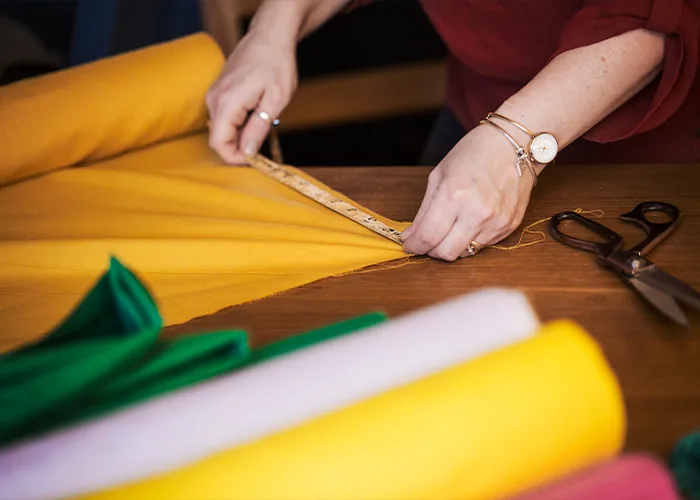
Additionally, although these three elements are essential, it is also vital to consider the type of thread used, the sewing technique used and the quality of the bias binding itself. All these variables, when managed properly, contribute to the production of high-quality and durable garments and textile products.
Contact Byetsa to get high quality bias bindings
Byetsa is committed to offering solutions and answers to all your concerns. If you are interested in discovering the wide range of services and products we have at your disposal, or simply want more details on how we can help you with your projects, we invite you to contact our team of experts.
You can write to us directly at info@byetsa.es or, if you prefer a more direct conversation, call us at 93 874 40 98.We are here to serve you. You can also take a few seconds to fill out the contact form that you will find by clicking the button below and you will hear from us in no time.
We make what you need
Looking for bias binding for your production or your haberdashery?
Frequently asked questions
01Which seam is best for finishing a neckline with visible bias binding?
The bound seam is the right choice. It involves folding the binding strip over the edge of the pieces and joining both edges to the material with one or more rows of stitching. The result is a clean, even edge that can be left exposed without spoiling the garment, which is why it is especially valued on shirt necklines.
02What type of bias binding do I need for an edge-finishing seam that follows curves?
An edge-finishing seam requires elastic bias binding. This technique places stitches along a defined line or ornamental pattern on a fold of the material, and the stretch of the bias binding allows the stitches to hug curves and contours without distorting the piece. A rigid bias binding would not offer that ability to adapt.
03Which seam reduces bulk in lingerie and corsetry?
The flat seam is the most suitable when bulk needs to be kept to a minimum. The fabric edges are not overlapped but placed together in a straight line and sewn, giving a smooth join with no ridges. For lingerie and T-shirts, the superimposed seam is also used, valued for its neat finish without rough edges.
04How is the strength of a seam made with bias binding measured?
Two parameters are mainly assessed. Seam slippage strength indicates the force needed to displace ¼ of the opposing sets of threads in a direction perpendicular to the seam line. Seam strength measures the force needed to open or break the join. The type of thread, the technique used and the quality of the bias binding itself also play a part.
05Can Byetsa make custom bias binding for a specific production run?
Yes. As well as a catalogue of over 7,000 references, from classic designs to the very latest, Byetsa can make fully customised bias binding. It works with two lines, Fany and Byor, for homeware, fashion, consumer goods, packaging and industry. You can request information at info@byetsa.es or on 93 874 40 98.
Related articles
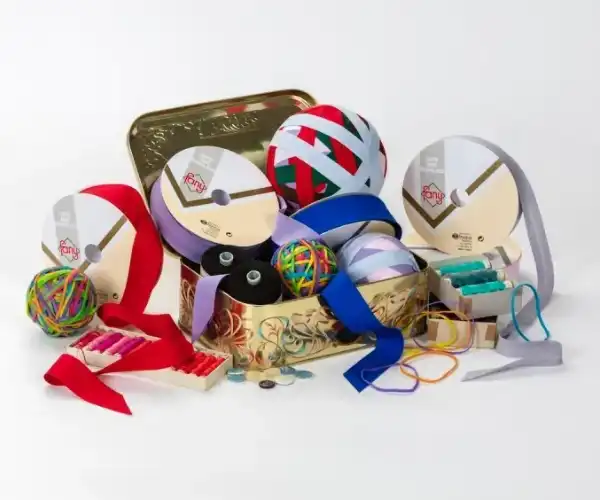
What is bias cutting, and how do we do it at Byetsa?
Bias cutting involves cutting fabric at a 45° angle to the grain to give it elasticity and drape. Discover what it is, what it's for, and how to cut it step by step.
Read article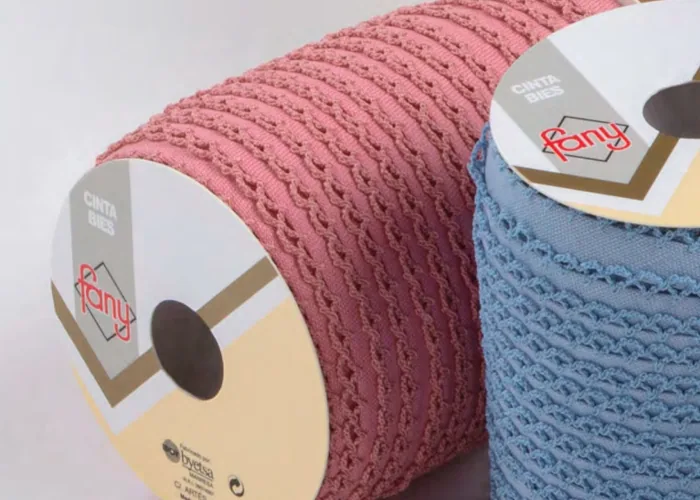
Buy corded bias tape: our options in Vichy, lamé or satin
Corded bias tape. Discover which of Byetsa’s bias tapes could be useful for your production among our Vichy, lamé and satin options.
Read article
Technical differences between bias tape, corded piping and flat piping
We analyse the technical differences between bias tape, corded piping and flat piping. Choose the perfect finish for your industrial sewing project with Byetsa.
Read articleDo you have a question about bias binding?
If you have any questions about our products or need personalised advice, please do not hesitate to contact our team. We are here to help you in any way we can. Write to us!
- Phone93 874 40 98
- Emailinfo@byetsa.es
- AddressC/ Artés, 4 · Pol. Ind. Els Dolors · 08243 Manresa (Barcelona)
Tell us what you need
We will reply with the right reference, format and width for your production.